The demand for Bearing Roller Cylindrical products is skyrocketing in global markets. Reports indicate a projected growth rate of 7% annually within this sector. As manufacturers strive to meet these demands, understanding the best options becomes crucial. According to industry expert Dr. Emily Carter, "Choosing the right Bearing Roller Cylindrical can significantly enhance performance and durability."
The Bearing Roller Cylindrical market thrives on technological advancements and innovation. Companies worldwide are investing in high-quality production processes to ensure reliability. However, challenges persist, including fluctuating material costs and the need for sustainability. Such factors complicate decision-making for buyers who seek longevity and efficiency in their purchases.
Selecting the ideal Bearing Roller Cylindrical requires careful consideration of various attributes, including load capacity and speed ratings. Buyers must also stay informed about the latest trends and options available in the market. With accurate insights and trusted suppliers, they can navigate this competitive landscape successfully.
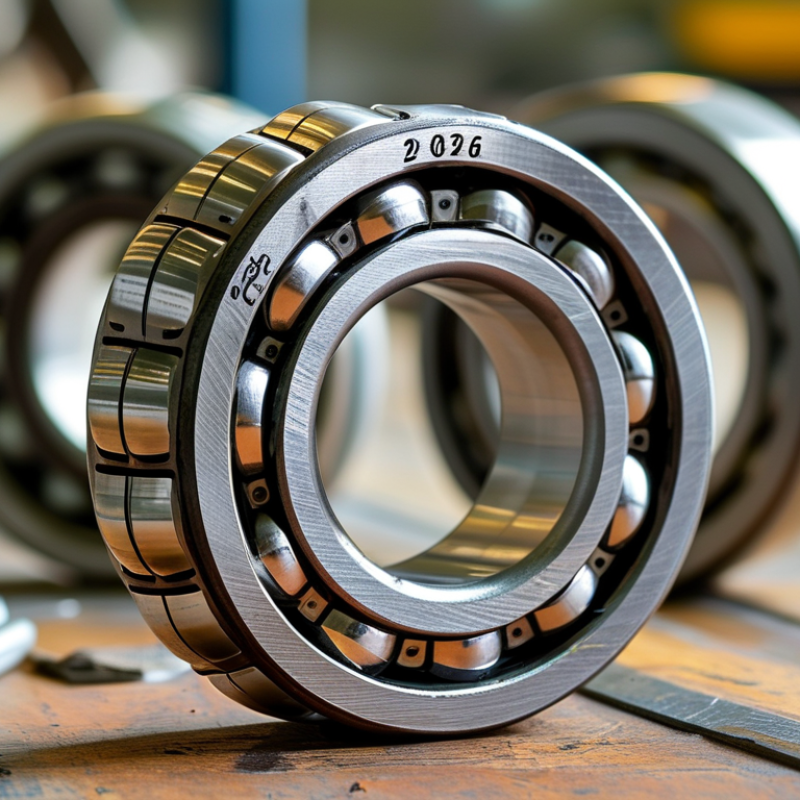
In 2026, the bearing roller cylindrical market offers various options. These components are essential for industrial machinery. They enhance longevity and reduce friction. Buyers can select from several types based on their specific needs.
First, radial cylindrical rollers stand out for heavy-load applications. Their design enables better load distribution, which is crucial in demanding environments. On the other hand, axial cylindrical rollers provide excellent performance in high-speed applications. They excel in precision alignment but may need more attention to maintain their efficiency.
Buyers should also consider the material composition of these rollers. Steel is commonly used due to strength and durability. However, ceramic options are gaining traction for their resistance to wear. The balance between performance and cost remains a point of reflection. It's important to assess the requirements before making a decision. Selecting the wrong type could lead to operational inefficiencies. Thus, understanding your application thoroughly is vital.
When selecting bearing roller cylinders, several key features should be thoroughly evaluated. One important aspect is the material used in construction. High-quality steel often provides better wear resistance and longevity. However, it is essential to balance material strength with weight, especially for applications that require high-speed operations.
Load capacity is another crucial factor. Ensure the bearing can handle the specific loads it will encounter. This includes both radial and axial loads. Insufficient load capacity can lead to premature failure, which may result in costly downtime. Consider the operating environment as well; exposure to dust or moisture can affect performance.
Noise levels are often overlooked yet significant. Bearings that operate quietly contribute to a better working environment. Look into the design and lubrication methods that help minimize noise. Reflecting on these details can greatly influence your decision-making process. Strive for a combination of performance, reliability, and cost-effectiveness to ensure the best choice for your application.
| Material | Size (mm) | Load Capacity (kN) | Max Speed (RPM) | Temperature Range (°C) | Applications |
|---|---|---|---|---|---|
| Steel | 20 x 42 | 12.5 | 5500 | -30 to 120 | Automotive, Industrial |
| Stainless Steel | 25 x 52 | 15.2 | 5200 | -20 to 100 | Food Processing, Pharmaceutical |
| Bronze | 30 x 60 | 20.0 | 4800 | -40 to 150 | Marine, Heavy Machinery |
| Polymer | 15 x 25 | 8.0 | 6000 | -10 to 80 | Electronics, Robotics |
The global market for bearing roller cylindricals is expanding rapidly. Recent industry reports suggest a projected growth rate of 6.5% annually. This growth is driven by increased demand in various sectors, including automotive and machinery. Manufacturers are striving to meet evolving customer needs by improving precision and durability.
Top manufacturers are integrating advanced technologies into their production processes. They are focusing on materials that enhance performance and reduce wear. Innovations in lubrication have also played a crucial role. These advancements increase the lifespan of bearing roller cylindricals, making them more reliable for manufacturers.
However, the industry faces challenges. Supply chain disruptions have been a recurring issue. In addition, fluctuating raw material costs can affect pricing strategies. Companies must remain agile and adapt to these changes to maintain market share. Balancing quality with cost-effectiveness continues to be a critical area for reflection among manufacturers in this competitive landscape.
When exploring the best bearing roller cylindrical options for global buyers, assessing pricing and quality is essential. Several brands dominate the market, each offering a unique blend of features. It’s not just about the price tag; understanding the materials and manufacturing processes is crucial. Some rollers may appear cheaper but might use subpar materials. This affects durability and performance.
Quality assessments often reveal that performance varies widely among brands. Some might provide enhanced load capacities while others excel in reducing friction. Buyers often focus on the most cost-effective solutions. However, investing slightly more in quality can lead to significant long-term savings. Selecting the right bearings should involve careful consideration of the operational environment and usage demands.
Buyers should also be aware of potential inconsistencies across product lines. Not every item from a brand meets the same standards. Some manufacturers may offer excellent products in one category but fall short in others. This inconsistency can lead to frustrating experiences. A thorough review of independent testing or customer feedback could provide valuable insights. In pursuing the best options, it is vital to strike a balance between price and reliability, ensuring a well-informed purchase.
The landscape of bearing roller cylindrical technology is evolving rapidly. Innovations focus on enhancing efficiency and durability. Advanced materials are now being employed to create lighter yet stronger rollers. This transition is driven by the need for better performance in demanding environments. Integrating smart technology into bearings opens new avenues for predictive maintenance. Sensors embedded in the rollers can monitor wear and tear, ensuring timely replacements.
Manufacturers are also exploring sustainable practices in production. This includes recycling materials and reducing waste. Some companies are investing in energy-efficient techniques. Yet, the challenge lies in balancing performance with environmental impact. As technology advances, understanding the long-term effects of these innovations becomes crucial.
Future trends may lead to even smaller, stronger solutions. As industries shift toward automation, the need for precision will grow. Innovations may happen quickly, but real-world application often lags behind. Proper testing and analysis are essential before widespread adoption. This ensures reliability, safety, and performance meet industry standards.
: Buyers need to assess both pricing and quality before making a purchase.
Cheaper rollers may use lower quality materials, impacting durability significantly.
No, not every product from a brand meets the same quality standards.
Independent testing can reveal performance differences and enhance decision-making.
Higher quality rollers can lead to long-term savings despite a higher initial investment.
Future trends include lighter materials and smart technology for predictive maintenance.
Manufacturers are exploring recycling and waste reduction but face performance challenges.
Innovations may not always translate smoothly into real-world applications.
Understanding long-term effects and ensuring rigorous testing before adoption is vital.
Focusing solely on price may lead to overlooking crucial quality factors.
The article titled "2026 Best Bearing Roller Cylindrical Options for Global Buyers" provides a comprehensive overview of the various types of Bearing Roller Cylindrical products available in 2026. It highlights essential features that buyers should consider when selecting these components, including material specifications, load capacity, and dimensional accuracy. The discussion extends to the top manufacturers thriving in the global market, showcasing their commitment to quality and innovation.
Additionally, the article delves into a comparative analysis of pricing and quality among leading brands of Bearing Roller Cylindricals, offering valuable insights for buyers to make informed decisions. It also anticipates future trends in the technology and innovation surrounding Bearing Roller Cylindricals, suggesting an industry trajectory that favors enhanced performance and sustainability. Overall, the article serves as a vital resource for global buyers seeking to optimize their choices in bearing solutions.

Jito Bearing