In the world of mechanical engineering, the choice of bearings can significantly affect performance. One expert in the field, Dr. Emily Harper, noted, "Angular Ball Bearings provide superior load distribution which enhances efficiency." This statement underscores the importance of understanding the unique advantages of Angular Ball Bearings in various applications.
Angular Ball Bearings are especially designed to handle both radial and axial loads efficiently. Their design allows them to operate at higher speeds, making them ideal for applications like electric motors and automotive systems. The versatility of these bearings makes them a popular choice among engineers looking for reliable solutions.
Despite their many benefits, some users may overlook potential challenges. Installation precision is crucial for optimal performance. Improper alignment can lead to premature wear. This aspect requires reflection and attention to detail in every engineering project. By considering these factors, engineers can fully leverage the advantages of Angular Ball Bearings.
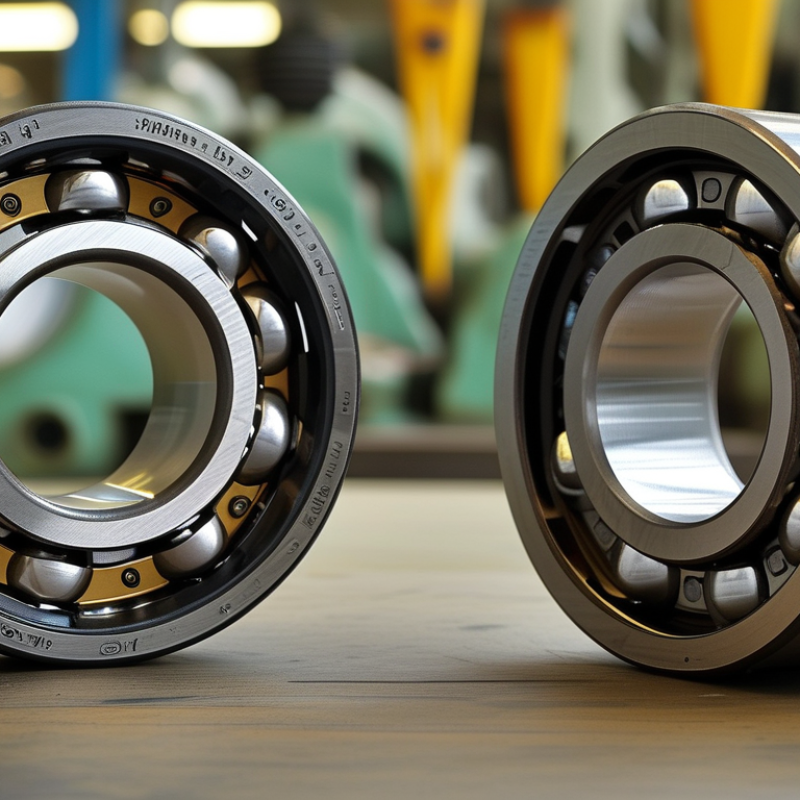
Angular ball bearings are a crucial component in many mechanical applications. They are designed to handle both radial and axial loads, making them versatile. This unique capability allows them to support complex movements. They provide stability while enabling rotation, which is essential in machinery.
The functionality of angular ball bearings lies in their design. The raceways are angled, allowing for greater load distribution. This means they can withstand higher speeds and loads compared to standard bearings. In applications like automotive, aerospace, and industrial machinery, this efficiency is vital. Engineers frequently select these bearings due to their higher performance parameters.
However, it's essential to consider the installation requirements. Improper alignment can lead to reduced life expectancy. Regular maintenance is also necessary to ensure optimal performance. Users often overlook these aspects, leading to premature failure. Therefore, while angular ball bearings offer significant advantages, understanding their limitations is equally important.
Angular ball bearings offer several key advantages that make them a popular choice across various applications. Their design allows for both radial and axial loads, providing versatility in many mechanical systems. This makes them suitable for high-speed operations, as they can handle heavy loads efficiently without compromising performance. Users benefit from smoother and quieter operation, critical in precision machinery.
Another notable advantage is their durability. Angular ball bearings often feature materials that resist wear and corrosion, prolonging their operational life. This resilience reduces maintenance frequency and costs. In applications involving high temperatures or challenging environments, these bearings maintain reliability. Even in cases where load demands change, angular ball bearings adapt well, ensuring consistent performance.
However, users must consider proper installation and alignment to maximize these benefits. Misalignment can lead to premature wear and failure. Testing and adjusting the setup might be necessary, especially in complex machinery. Each application is unique, and understanding specific requirements can enhance the performance of angular ball bearings significantly. The thoughtful selection process is crucial to achieving optimal results.
When comparing angular ball bearings to other bearing types, several factors come into play. Angular ball bearings excel in handling axial and radial loads. This quality makes them ideal for gearboxes and other high-load applications. Unlike plain bearings, angular ball bearings offer lower friction and higher rotational speeds.
However, not every application requires the advantages of angular ball bearings. For lighter loads or limited space, other bearing types may suffice. Journal bearings, for instance, can be more cost-effective for simpler tasks. It's essential to consider the specific requirements of your project.
Tips: Always assess the load direction and type. Choose angular ball bearings when high precision is crucial. Additionally, factor in maintenance needs. Angular ball bearings may require more attention due to their complexity. Regular checks can prevent significant downtime. Understanding your application can lead to better choices.
| Bearing Type | Load Capacity | Speed Rating | Cost Efficiency | Applications |
|---|---|---|---|---|
| Angular Ball Bearings | High | Moderate to High | Moderate | Machine Tools, Robotics, Conveyors |
| Deep Groove Ball Bearings | Moderate | High | High | Electric Motors, Pumps, Fans |
| Thrust Ball Bearings | Low to Moderate | Low | Moderate | Automotive Applications, Gearboxes |
| Roller Bearings | High | Moderate | Low | Heavy Machinery, Industrial Equipment |
Angular ball bearings are integral to numerous industries. Their design allows for effective handling of axial and radial loads. This makes them a preferred option in applications where space is restricted. For example, in automotive assemblies, they provide reliability. An efficient bearing reduces friction, which enhances vehicle performance.
In the aerospace sector, precision is crucial. Angular ball bearings are used in various components, including engines and landing gear. Their ability to withstand extreme conditions is impressive. In robotics, these bearings facilitate smooth movement. They can support heavy loads while ensuring accuracy in operations. However, the selection process can be challenging. It requires careful consideration of application specifics.
Moreover, manufacturing equipment relies heavily on angular ball bearings. They ensure smooth operation under high-speed conditions. Even slight variations in performance can lead to inefficiencies. This necessitates regular monitoring and potential adjustments. The future developments in bearing technology may offer improved solutions. Continuous learning in this area can lead to better practices and innovations.
When selecting angular ball bearings, several factors come into play. Material composition is crucial; high-grade steel ensures better durability and load capacity. Research shows that bearings made from chrome steel can handle higher loads compared to those made from carbon steel. This choice not only affects performance but longevity as well.
The precision level also matters significantly. Angular ball bearings are classified into various grades of accuracy. Higher precision bearings minimize operational vibrations. Studies indicate that using low-vibration bearings can reduce maintenance costs by up to 30%. Understand the tolerances required for your specific application.
Another key consideration is the lubrication method. Proper lubrication extends bearing lifespan. Options include grease, oil, and solid lubrication. The right choice impacts the bearing’s temperature and efficiency. Reports highlight that well-lubricated bearings can have a lifespan 50% longer than those that are not adequately maintained. Be aware that improper lubrication can lead to premature failures.
This chart illustrates the relative importance of various factors when selecting angular ball bearings for specific applications. The ratings indicate how critical each factor is from a scale of 1 to 10.
: They handle axial and radial loads effectively. This makes them ideal for high-load applications.
Opt for them when high precision and efficiency are essential for your project.
Not necessarily. For lighter loads or limited space, other bearing types might be more suitable.
High-grade steel naturally ensures better durability. Chrome steel often handles loads better than carbon steel.
Proper lubrication extends lifespan and impacts efficiency significantly. It can double the lifespan of bearings.
Incorrect lubrication can lead to premature failures and increased maintenance costs over time.
Yes, regular checks are necessary to avoid downtime and ensure efficiency in operations.
Yes, studies show they can lower maintenance costs by up to 30%. Precision matters greatly.
They excel in tough environments, making them suitable for aerospace and robotics applications.
Assess material, precision levels, and lubrication methods according to the specifics of your application.
Angular Ball Bearings are specialized bearings designed to accommodate axial loads in addition to radial loads, making them essential in various applications. Their functionality allows for high-speed operations and precision movement, which is crucial in industries such as automotive, aerospace, and machinery.
The advantages of using Angular Ball Bearings include their ability to handle combined loads efficiently and their versatility in design, which can lead to improved performance and durability compared to other bearing types. A comparative analysis highlights how Angular Ball Bearings outperform standard ball bearings and roller bearings in specific applications, particularly where space and load direction are critical considerations. When selecting Angular Ball Bearings, it’s important to consider factors such as load capacity, speed, and the operational environment to ensure they meet specific needs effectively.

Jito Bearing