Why Choose Bearing Roller for Your Industrial Needs?

Time:2026-06-13 Author:Sienna
0%

In today’s industrial landscape, the choice of components can significantly affect operational efficiency. Bearing rollers, a critical element in various machinery, offer unique benefits. According to the National Institute of Standards and Technology, improper bearing choices can lead to a 30% increase in maintenance costs. These figures underscore the importance of selecting the right bearing rollers for your operations.

Bearing rollers enhance load distribution and reduce friction in machinery. This leads to increased productivity. A study by the American Society of Mechanical Engineers found that industries utilizing advanced bearing technology reported a 25% reduction in energy consumption. Yet, not all manufacturers prioritize bearing roller quality. Some opt for cheaper alternatives, risking performance and safety.

It’s essential to weigh the long-term benefits against initial costs. Quality bearing rollers can be a significant investment. However, their ability to improve efficiency and extend equipment life often justifies this cost. Investing in the right components can propel your business forward, while neglecting this choice may lead to unforeseen challenges.
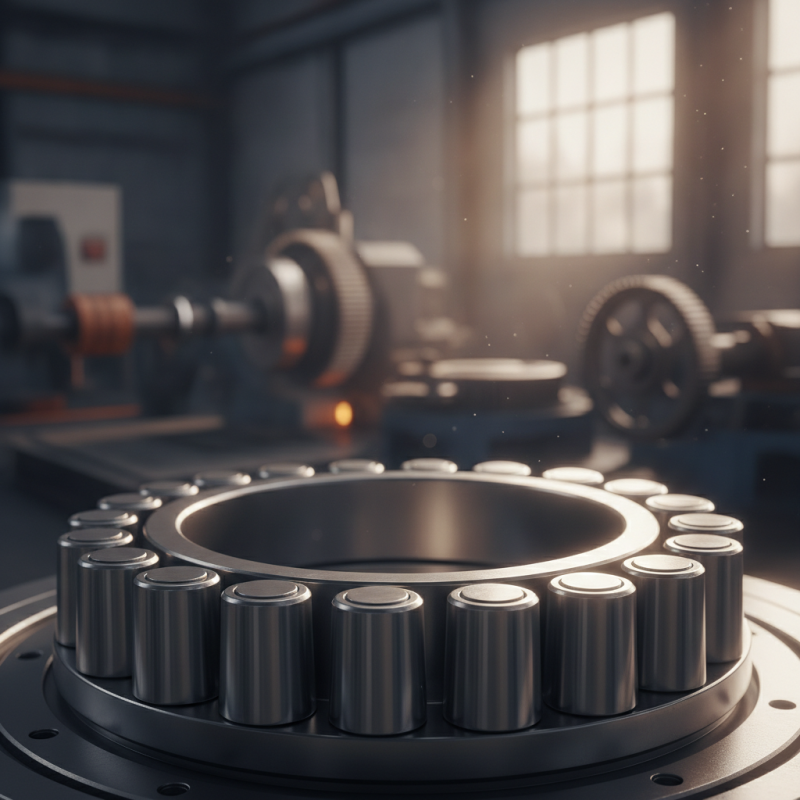
Why Choose Bearing Roller for Your Industrial Needs?

Understanding Bearing Rollers: Definition and Types

Bearing rollers are essential components in many industrial applications. They are designed to facilitate smooth motion and reduce friction in machinery. Understanding the types of bearing rollers can help you choose the right one for your specific industrial needs.

There are several types of bearing rollers. Cylindrical rollers are known for their capacity to support high radial loads. Spherical rollers can accommodate misalignments, making them suitable for heavy-duty applications. Tapered rollers are excellent for managing both radial and axial loads. According to a report by MarketsandMarkets, the global bearing market is expected to reach $xx billion by 2025, showing a significant increase in demand for specialized components like bearing rollers.

Tips for selecting the right bearing roller include analyzing load requirements and rotational speeds. Ensure that you account for environmental factors such as temperature and humidity. The correct choice can prevent premature wear and tear, improving overall efficiency.

Remember that proper installation and maintenance are critical. Even high-quality bearing rollers can fail if not used correctly. Regular inspections can help in identifying potential issues early.

Usage of Different Bearing Roller Types in Industries

Key Advantages of Using Bearing Rollers in Industry

Bearing rollers have become a key component in various industries due to their distinct advantages. One significant benefit is their ability to reduce friction in machinery. According to the American Society of Mechanical Engineers, using bearing rollers can decrease friction by up to 80% compared to traditional sliding bearings. This reduction leads to improved efficiency and extended equipment lifespan.

Another advantage of bearing rollers is their load-bearing capacity. Industry studies reveal that bearing rollers can support heavy loads while maintaining stable performance. For instance, data from the International Journal of Engineering Research indicates that bearing rollers can handle loads exceeding 100,000 pounds without failure. This makes them ideal for applications in construction and manufacturing, where equipment reliability is crucial.

Additionally, bearing rollers offer enhanced precision in movement. Their design allows for smoother transitions and reduced vibrations, which is vital in high-speed applications. However, not all installations yield optimal results. Some users report that improper alignment can lead to premature wear. It’s essential to ensure proper installation for maximizing their benefits.

Common Applications of Bearing Rollers Across Sectors

Bearing rollers play a vital role in various industrial sectors. They are widely used in manufacturing, automotive, and aerospace industries. Each sector utilizes bearing rollers differently. In manufacturing, these components reduce friction in machinery, enhancing performance. The precision provided by bearing rollers can significantly increase efficiency.

In the automotive industry, bearing rollers support moving parts like wheels and axles. They are crucial for maintaining smooth operation and safety. However, improper selection can lead to premature wear or failure. Understanding load ratings and application requirements is essential for optimal performance.

The aerospace sector relies heavily on bearing rollers for precision and reliability. These components must endure extreme conditions while remaining lightweight. Yet, the complexity of aerospace systems can make selecting the right bearing roller problematic. Each situation requires careful consideration to ensure safety and functionality.

Factors to Consider When Choosing Bearing Rollers

When selecting bearing rollers for industrial applications, several factors demand careful consideration. Load capacity is crucial. Assess the maximum weight that the roller will bear. A roller that cannot handle the load will fail, leading to costly downtime. Material composition also plays a significant role. Steel, plastic, and ceramic have unique properties suited for different environments. For example, ceramic may resist corrosion better than metal.

Another vital aspect is operational speed. Some bearing rollers perform well under high speeds, while others may degrade quickly. Ensure the chosen roller meets the specific speed requirements of your machinery. Environmental conditions, such as temperature and humidity, affect performance as well. A roller suitable for dry conditions might deteriorate in wet environments.

Finally, maintenance needs should be factored in. Regular inspection and lubrication can prolong the life of bearing rollers. However, some users overlook these tasks. This oversight can lead to premature failure. Understand these aspects well to choose the right bearing roller. A thought-out approach prevents future problems and enhances efficiency.

Maintenance Tips for Enhancing Bearing Roller Longevity

Bearing rollers play a crucial role in industrial machinery. Their durability and efficiency heavily depend on proper maintenance. To maximize the lifespan of your bearing rollers, several practices can be beneficial.

Regular lubrication is essential. The right lubricant reduces friction between components, enhancing performance. It also helps prevent wear and tear. Check lubrication levels frequently. Ensure that the lubricant is clean and appropriate for the operating conditions. Contamination can lead to premature failure.

Another aspect to consider is load management. Overloading bearing rollers can cause stress and damage. It's crucial to operate within the specified load limits. Monitor the operational environment. High temperatures or excess moisture can accelerate deterioration. Regular inspections can identify early signs of issues, allowing for timely intervention. Keeping a maintenance log can also highlight patterns that may need attention.

FAQS

: What are the main benefits of using bearing rollers?

: Bearing rollers reduce friction by up to 80%. This improves machinery efficiency and extends equipment lifespan.

How much weight can bearing rollers support?

Bearing rollers can handle loads over 100,000 pounds. This makes them reliable for heavy-duty applications.

Why is precision important in bearing rollers?

Enhanced precision leads to smoother transitions and reduced vibrations in high-speed applications. It also improves overall performance.

What are common applications for bearing rollers?

They are used in manufacturing, automotive, and aerospace sectors. Each sector utilizes them for different purposes.

What should be considered when selecting bearing rollers?

Factors like load capacity, material composition, and operational speed are critical. They ensure the roller suits the application.

How do environmental conditions affect bearing rollers?

Temperature and humidity can impact roller performance. A roller suitable for dry conditions may fail in wet environments.

What maintenance is needed for bearing rollers?

Regular inspection and lubrication are crucial. Neglecting these tasks can lead to premature failure and costly downtime.

What risks are associated with improper installation of bearing rollers?

Misalignment can cause premature wear. It’s vital to ensure correct installation for optimal performance and durability.

How does material composition affect bearing roller choice?

Materials like steel, plastic, and ceramic have unique properties. Choosing the right material for the environment can improve longevity.

Can the complexity of systems affect roller selection?

Yes, especially in aerospace. Each application requires careful selection to ensure safety and functionality in demanding conditions.

Conclusion

Bearing rollers play a crucial role in various industrial applications due to their ability to reduce friction and support heavy loads. Defined by their cylindrical shape, bearing rollers come in different types, including cylindrical, tapered, and spherical. The key advantages of using bearing rollers include improved efficiency, reduced wear and tear on machinery, and increased load-bearing capacity, making them essential components in many sectors such as manufacturing, automotive, and aerospace.

When selecting bearing rollers, it's important to consider factors like load ratings, material composition, and environmental conditions to ensure optimal performance. Regular maintenance, including lubrication and inspections, can significantly enhance the longevity of bearing rollers, allowing for sustained operational efficiency and reduced downtime in industrial processes. By understanding the importance and functionality of bearing rollers, industries can make informed decisions that contribute to more effective and reliable machinery performance.


Sienna

Sienna

Sienna is a skilled marketing professional with a deep expertise in our company’s core products and services. With a passion for innovation and detail, she plays a pivotal role in crafting insightful blog posts that not only highlight the unique features of our offerings but also provide valuable......