When it comes to selecting the best wheel hub bearing for your vehicle, expertise is critical. James Carter, a leading automotive engineer, has emphasized, "Choosing the right wheel hub bearing can greatly affect your vehicle's performance and safety." Understanding wheel hub bearings involves more than just knowing the basics.
These components play a vital role in ensuring smooth operation. They bear the weight of the vehicle and allow the wheels to rotate freely. A poor choice may lead to increased wear and potential failure. The right wheel hub bearing must fit your vehicle's specifications. Consider factors like material quality, brand reputation, and warranty.
Experts often highlight that not all wheel hub bearings are created equal. Some brands may offer more durability than others. User reviews and professional recommendations can provide valuable insights. However, it’s important to avoid blindly following trends. Researching and understanding your vehicle's specific needs will lead to more informed decisions.
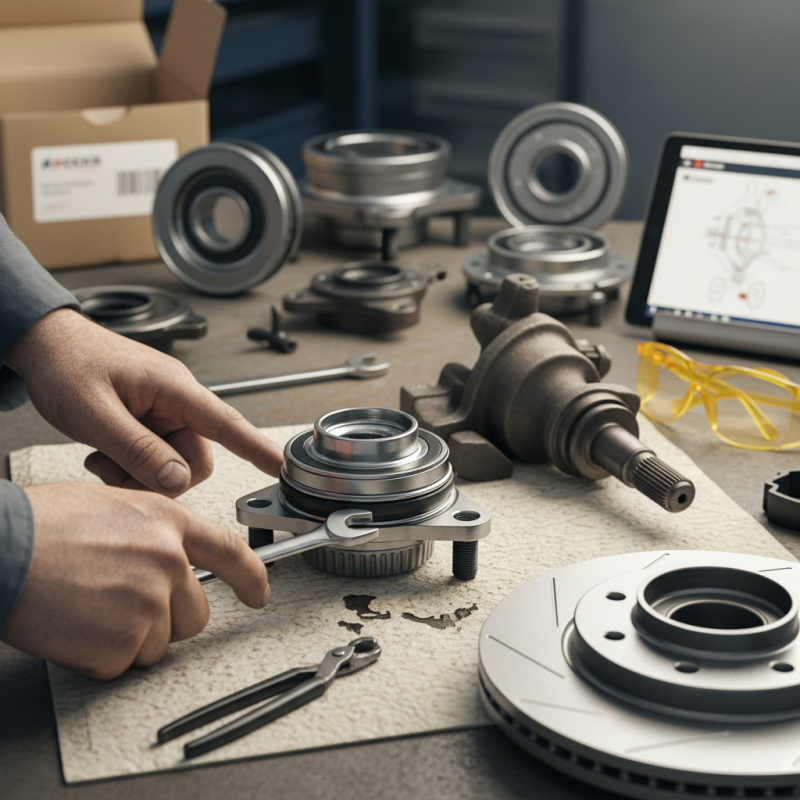
Wheel hub bearings play an essential role in vehicle performance. They allow the wheels to rotate smoothly while supporting the vehicle's weight. These bearings must endure various forces during driving, such as acceleration, braking, and cornering. According to a report from the Automotive Aftermarket Suppliers Association (AASA), improper bearing maintenance is responsible for about 25% of vehicle breakdowns. Hence, understanding their functionality is crucial.
When a wheel hub bearing fails, it often leads to increased friction, noise, and even safety issues. Drivers might notice unusual sounds when turning or a vibration in the steering wheel. A recent study indicated that 70% of drivers ignore these signs at first, which can lead to costly repairs. Regular inspections and maintenance can prolong the life of wheel hub bearings. It can be tempting to overlook such components, but failing to do so may present severe consequences down the line.
It’s also important to consider the type of driving one does daily. Different environments place varied stress on wheel bearings. For instance, frequent stop-and-go driving in urban areas can wear bearings faster than on highways. Many vehicle owners remain unaware of the specific demands placed on their wheel hub bearings. Recognizing this can lead to better-informed decisions when it comes to care and replacement.
When selecting wheel hub bearings for your vehicle, several critical factors need consideration. The quality of materials used in the bearings is paramount. High-grade steel or ceramic components can significantly enhance durability. According to reports from the Automotive Engineering Journal, bearings made from premium materials can last up to 200,000 miles under normal driving conditions. This longevity reduces the frequency of replacements and overall maintenance costs.
Another crucial aspect is the bearing type. Two main designs exist: sealed and unsealed bearings. Sealed bearings generally offer better protection against contaminants. They are also low-maintenance, which appeals to many vehicle owners. Data suggests that models equipped with sealed bearings experience fewer failures in adverse weather. Additionally, pay attention to the fitment. A proper fit ensures optimal performance and minimizes the risk of premature wear. Misalignment can lead to excessive noise and reduced efficiency, ultimately affecting vehicle safety.
Lastly, it’s wise to consider the installation process. Some bearings require specialized tools or skills. This complexity can lead to improper installation, resulting in short lifespan and increased repair costs. Industry reports show improper installation can reduce bearing life by up to 50%. Being well-informed allows for better decisions, ensuring long-term reliability and safety in your vehicle’s performance.
Choosing the right wheel hub bearing is crucial for your vehicle's performance. There are several types, each suited to different driving conditions. For instance, tapered roller bearings are common in heavy-duty applications. They can handle radial and axial loads effectively. Conversely, ball bearings are often used in lighter vehicles due to their ability to operate smoothly at high RPMs.
When selecting a wheel hub bearing, consider your vehicle’s weight and your typical driving environment. For urban driving, shielded ball bearings may be sufficient. However, for off-road conditions, sealed roller bearings might be necessary. According to industry reports, around 60% of vehicle issues stem from improper bearing choices.
Tips: Always verify bearing specifications against your vehicle’s manual. Regular maintenance checks are essential, especially if you drive frequently in rough terrains. Pay attention to unusual sounds which may indicate bearing wear. Ignoring these signs can lead to significant repairs down the line. The right choice will not only enhance your vehicle's performance but also ensure safety on the road.
Assessing the quality of wheel hub bearings is crucial for vehicle safety. High-quality bearings reduce the risk of premature failure. Reports indicate that over 30% of bearing-related failures stem from inadequate quality checks during manufacturing. When selecting a bearing, consider materials and construction. Reliable bearings usually feature high-grade steel with proper heat treatment.
Another significant aspect is the bearing's design. Seek out features like sealed or grease-filled bearings, which can enhance longevity. According to industry research, sealed bearings can last up to 50% longer in harsh conditions compared to standard types. Additionally, pay attention to the manufacturer's specifications and load ratings—these provide insight into the bearing's performance under stress.
It's essential to evaluate independently tested data. Independent labs help verify how bearings perform under real-world conditions. Many consumers overlook warranty periods when assessing quality. A longer warranty often signals confidence in the product's durability. However, bear in mind that even reputable brands are not immune to lapses in quality control. Be prepared to research and verify claims through user reviews and expert recommendations.
When installing wheel hub bearings, precision is key. Start by ensuring your workspace is clean. Any dirt can affect performance and longevity. A clean environment allows for better visibility and fewer distractions. Use proper tools for the job; this minimizes the risk of damage.
Preparation is crucial. Before installation, examine all components closely. Look for wear or damage. If you find any issues, consider replacing the parts. It’s wise to replace both bearings at once to maintain balance and performance.
Tips: Always tighten the wheel nuts in a star pattern. This ensures even pressure and helps prevent misalignment. Double-check the torque specifications to avoid over-tightening. It’s easy to overlook this step, but it significantly impacts performance. Test drive your vehicle gently after installation. Listen for any unusual noises, which could indicate a problem. Adjustments might be necessary if you hear anything abnormal.
This chart illustrates the average lifespan of different types of wheel hub bearings based on user feedback and industry reports. Proper selection based on this data can optimize the performance of your vehicle.
: High-grade steel or ceramic materials enhance the durability of wheel hub bearings. They can last significantly longer.
Sealed bearings offer better protection against contaminants and require less maintenance than unsealed bearings. They are generally more reliable.
Proper fitment is crucial. It ensures optimal performance and minimizes the risk of premature wear and excessive noise.
Improper installation can reduce bearing life by up to 50%. Using the right tools and skills is essential.
Consider your vehicle’s weight and driving conditions. Different types cater to different environments and loads.
Unusual sounds while driving may indicate bearing wear. Ignoring these signs can lead to larger repair issues.
Regular checks can identify problems early, especially if driving frequently in rough terrains. Neglecting maintenance can cause significant repairs.
Ensure you have a clean workspace and examine all components closely. Replace any worn or damaged parts before installation.
Choosing the best Wheel Hub Bearing for your vehicle is crucial for ensuring optimal performance and safety. Understanding the functionality of wheel hub bearings is the first step, as they play a vital role in supporting the wheel and facilitating smooth rotation. When selecting a wheel hub bearing, consider key factors such as vehicle compatibility, load capacity, and environmental conditions.
There are different types of wheel hub bearings available, each suited for specific vehicle requirements. To ensure quality, look for indicators such as materials used, manufacturer reputation, and compliance with relevant standards. Finally, proper installation is essential for the longevity and efficiency of the wheel hub bearing, so following best practices during this process can greatly enhance its performance.
Jito Bearing