Standard ball bearings are crucial components in a variety of applications. Their reliability and efficiency make them a preferred choice across industries. According to a recent report by Market Research Future, the global ball bearing market is projected to reach over $60 billion by 2027, indicating robust demand.
Expert James Miller, a renowned engineering consultant, emphasizes, "Standard ball bearings are essential for optimal machine performance." This statement underscores their importance in reducing friction and wear. With the ability to support axial and radial loads, they play a pivotal role in enhancing machinery longevity.
However, it's important to recognize that not all applications may benefit equally from standard ball bearings. Variability in load conditions and environmental factors can affect performance. This underlines the need for careful selection and application of these bearings. Investing in the right type can lead to significant improvements in operational efficiency and cost savings.
Understanding Standard Ball Bearings and Their Components
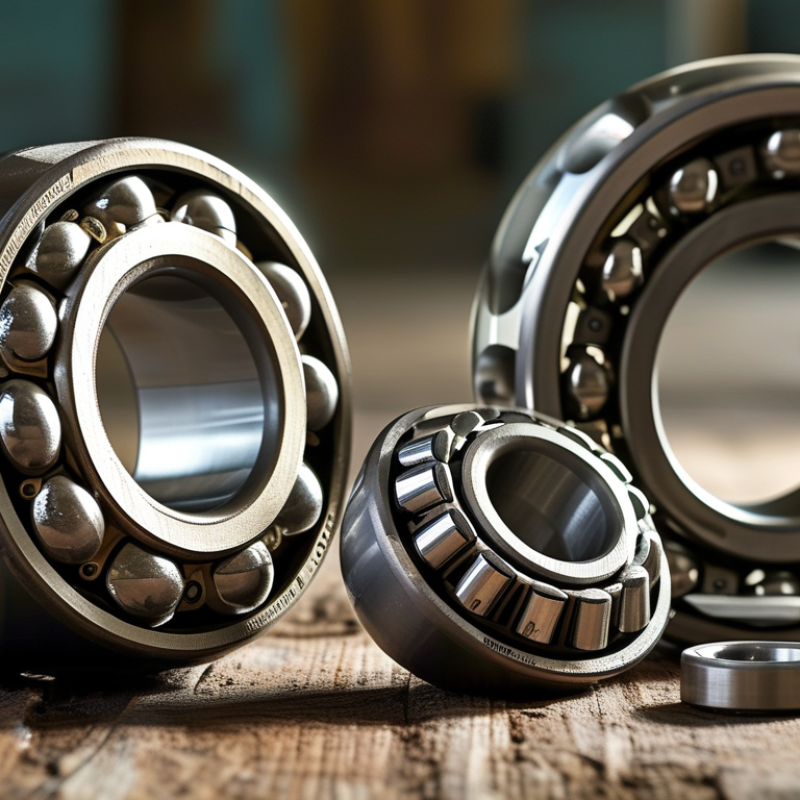
Standard ball bearings are essential components used in various mechanical applications. Their design consists of an outer race, an inner race, and rolling balls. The balls facilitate smooth rotational movement, significantly reducing friction. These elements work together to support loads and enhance performance in machines, from motors to conveyor systems.
The inner race is crucial as it fits tightly onto the rotating shaft. Similarly, the outer race provides stability and absorbs forces. The selection of materials often includes stainless steel or ceramic, which enhances durability.
In some designs, lubrication plays a vital role in preventing wear and tear. Proper lubrication can improve efficiency, but it's also a common oversight. Regular maintenance is necessary, yet it's often neglected.
Users may fail to recognize signs of wear, leading to premature failure. Understanding each component's function can help in making informed choices. It’s important to consider the operating environment, as contaminants can degrade bearing life. Reliable performance hinges on these details, and overlooking them may result in costly repairs and downtime.
The Advantages of Using Standard Ball Bearings in Various Industries
Standard ball bearings play a vital role across various industries. They are known for their efficiency and reliability. Research has shown that ball bearings can reduce friction by up to 90% compared to other types. This reduction in friction leads to improved energy efficiency, which is crucial in manufacturing. Industries such as automotive and aerospace benefit greatly from these efficiencies.
In high-demand environments, like robotics and machinery, the need for durability is paramount. Standard ball bearings are able to withstand high loads and speed variations. Some reports indicate failure rates of less than 1% when properly maintained. However, users sometimes overlook the importance of regular maintenance. Without it, even the best bearings can fail prematurely.
Various sectors have embraced these bearings due to their versatility. They can be found in everything from household appliances to heavy industrial equipment. This wide range makes standard ball bearings essential in modern designs. Nevertheless, it's important to consider the specific needs of each application. Not all bearings are suitable for every condition. This nuance can create challenges in selection. Careful evaluation will yield the best results.
Applications of Standard Ball Bearings in Everyday Machinery
Standard ball bearings play a crucial role in various types of machinery. They are commonly found in everyday equipment, from household appliances to industrial machines. These bearings are designed to reduce friction and support rotating elements, helping machines operate smoothly and efficiently. You might find them in motors, conveyor systems, and even bicycles, ensuring optimal performance.
When selecting bearings for critical applications, keep a few tips in mind. Choose the right size and load rating based on your specific needs. A standard ball bearing may not suffice if the application demands higher precision or load capacity. Always consider the environment where the bearing will operate. Dust, moisture, and temperature fluctuations can significantly impact performance.
Standard ball bearings also require periodic maintenance. Regular checks can identify wear and tear early, preventing costly breakdowns. Keep in mind that neglecting maintenance can lead to inefficient operation. Analyzing performance data helps in making informed decisions about replacements. Ultimately, understanding how standard ball bearings function will enhance your machinery's reliability and effectiveness.
Comparison of Standard Ball Bearings with Other Bearing Types
When evaluating bearing options, standard ball bearings often emerge as the most reliable choice. Compared to other types like cylindrical or needle bearings, standard ball bearings provide robust support in various applications. Their design incorporates metal balls that distribute loads evenly, making them suitable for both radial and axial loads. This versatility stands out when precision and durability are crucial.
Despite their advantages, standard ball bearings are not always the best fit. They may not handle extreme loads as effectively as tapered or roller bearings. In applications with heavy forces, these alternatives can offer better performance and longevity. Additionally, ball bearings sometimes experience friction issues at high speeds. This can lead to heat generation and reduced efficiency.
Choosing the right bearing involves understanding these trade-offs. Standard ball bearings may be a go-to solution, but it’s essential to consider specific application needs. Factors like load capacity, speed, and environmental conditions play significant roles. Each bearing type has its strengths and weaknesses, making thorough evaluation necessary.
Comparison of Standard Ball Bearings with Other Bearing Types
Maintenance Tips for Maximizing the Lifespan of Standard Ball Bearings
Proper maintenance of standard ball bearings can significantly extend their lifespan. Regular inspection plays a crucial role. Look for signs of wear or damage. Small issues can lead to larger problems. Tightening loose components can prevent slippage and misalignment. Keeping bearings clean is essential too. Dust and grime can create friction that leads to failure.
Lubrication is another vital factor. Use the right type and amount. Too much grease can attract dirt, while too little can cause overheating. Check lubricant condition frequently and replace it as needed. Monitoring operating temperatures can help identify potential issues early. Excess heat is often a sign of misalignment or inadequate lubrication.
However, overlooking any of these tasks can lead to costly downtime. It's easy to skip maintenance when everything seems fine. But neglect can cause unexpected failures. Regular training for staff on maintenance practices may also help. They should understand the importance of these routines. Small investments in maintenance knowledge can lead to significantly better performance.
Why Choose Standard Ball Bearings for Your Applications? - Maintenance Tips for Maximizing the Lifespan of Standard Ball Bearings
| Dimension |
Value |
Maintenance Tip |
| Inner Diameter (mm) |
20 |
Ensure alignment to minimize wear. |
| Outer Diameter (mm) |
47 |
Regularly check for corrosion and clean regularly. |
| Width (mm) |
14 |
Use appropriate lubricants to reduce friction. |
| Load Capacity (kg) |
150 |
Monitor load regularly to avoid overloading. |
| Speed Rating (RPM) |
8000 |
Ensure proper speed range is maintained during operation. |
Conclusion
Standard Ball Bearings are essential components in a wide range of machinery and play a crucial role in ensuring smooth operation. Comprised of an inner and outer ring, balls, and a cage, these bearings reduce friction, enhance load distribution, and improve energy efficiency. Their design allows them to handle both radial and axial loads, making them versatile for different applications.
The advantages of using Standard Ball Bearings include their durability, cost-effectiveness, and ease of maintenance, which contribute to their popularity across various industries, from automotive to manufacturing. Compared to other types of bearings, they offer a favorable balance of performance and design simplicity. Proper maintenance practices, such as regular lubrication and inspection, are vital for maximizing the lifespan of Standard Ball Bearings, ensuring optimal performance in everyday machinery.

 Jito Bearing