How to Choose the Best Ceramic Ball Bearings for Your Needs?

Time:2026-08-05 Author:Liam
0%

Choosing the right Ceramic Ball Bearings for your project can be crucial. These components can significantly impact performance, durability, and efficiency. Many types exist, each designed for different applications. Selecting the best one requires thoughtful consideration of your specific needs.

When evaluating Ceramic Ball Bearings, think about load capacity, speed, and environmental conditions. These factors influence the life span and effectiveness of the bearings. Don’t overlook the importance of manufacturer reputation. Trusted brands often provide better quality and reliability. User feedback can also serve as a valuable resource in decision-making.

Lastly, remember that not all Ceramic Ball Bearings will meet your requirements perfectly. Some options may seem ideal but could fall short over time. Regular assessment of performance is vital to ensure ongoing satisfaction with your choice. Reflect on your past experiences and adjust your selection criteria accordingly.
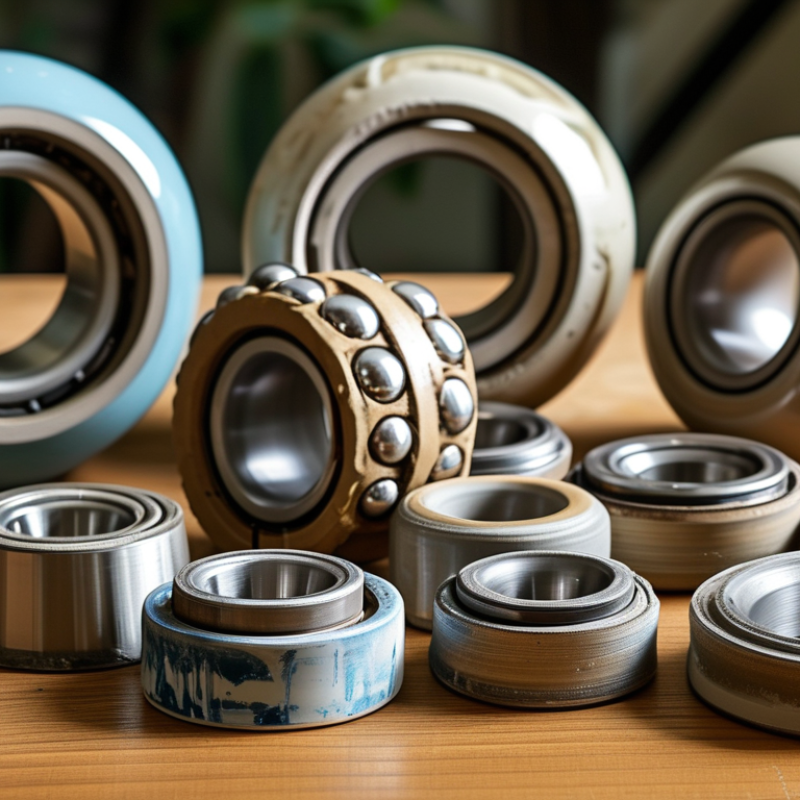
How to Choose the Best Ceramic Ball Bearings for Your Needs?

Understanding the Basics of Ceramic Ball Bearings

Ceramic ball bearings are essential components in various machinery. They offer unique advantages due to their material properties. Unlike traditional metal bearings, ceramic ones are lighter and resist corrosion. This resistance can enhance the lifespan of machinery.

Understanding the basics of ceramic ball bearings is important for making the right choice. They are often made from silicon nitride, which provides superior hardness. This means they can withstand higher loads and speeds. However, their brittleness raises concerns. Improper handling can lead to cracking. Choosing the right type and size for your application is crucial.

Not all applications require ceramic bearings. In some cases, traditional bearings may suffice. Evaluating your specific needs is necessary. If cost is a concern, ceramic bearings can be more expensive upfront. You may need to weigh the long-term benefits against initial costs. Reflection upon these factors can lead to better decision-making.

Comparison of Ceramic Ball Bearings and Steel Ball Bearings

Key Factors to Consider When Choosing Ceramic Ball Bearings

When selecting ceramic ball bearings, several key factors should guide your decision. The type of material plays a crucial role. Ceramic bearings may use silicone nitride or zirconium oxide. Each material has different properties, including weight, hardness, and resistance to heat. Consider the environment where the bearings will operate. High temperatures or corrosive substances can impact performance significantly.

Another important factor is bearing size and fit. Ensure that the dimensions align with your specific application. Proper sizing minimizes wear and maximizes efficiency. It's also essential to evaluate the load ratings of the bearings. Know the operating conditions and load they will bear. Overloading can lead to premature failure, hence selecting the right load capacity is critical.

Lastly, consider lubrication options for ceramic bearings. Some operate well without lubrication, while others require specific greases. Choosing the wrong type can affect performance. Reflect on your needs carefully. The right ceramic ball bearings enhance performance, while the wrong choice creates issues. Understanding these factors can lead to better decision-making. Make sure to weigh all aspects before finalizing your choice.

Comparing Different Types of Ceramic Ball Bearings Available

When selecting ceramic ball bearings, understanding the different types available is crucial. These bearings are known for their durability and low friction. They come in various compositions, including full ceramic, hybrid, and ceramic-coated options. Each type has unique properties that suit different applications. For example, full ceramic bearings excel in high-speed industrial machinery. Their resistance to wear makes them ideal for harsh environments.

Hybrid ceramic bearings combine ceramic balls with steel races. This blend offers improved performance and cost efficiency. They are a popular choice in automotive and aerospace industries. Ceramic-coated bearings, on the other hand, are steel with a ceramic outer layer. This design enhances corrosion resistance but may not perform as well in extreme conditions.

Choosing the right bearing requires understanding your specific needs. Factors like load capacity, speed, and environmental conditions play a significant role. Not every type works for every situation. Sometimes, testing multiple options is necessary to find the best fit. A seemingly minor choice can impact long-term performance. Balancing cost, efficiency, and durability often leads to difficult decisions.

How to Choose the Best Ceramic Ball Bearings for Your Needs?

Bearing Type Material Composition Load Capacity Speed Rating Temperature Range Price Range
Standard Ceramic Ball Bearing Silicon Nitride Up to 1000N Up to 30000 RPM -40°C to 120°C $20 - $50
Hybrid Ceramic Ball Bearing Silicon Nitride Balls, Steel Races Up to 1500N Up to 40000 RPM -20°C to 150°C $30 - $80
Full Ceramic Ball Bearing Zirconia Up to 1200N Up to 20000 RPM -40°C to 200°C $50 - $100

Identifying the Perfect Size and Specifications for Your Equipment

Choosing the right size and specifications for ceramic ball bearings is crucial. The wrong dimensions can lead to inefficiency and premature failure. Measuring the inner and outer diameters is a good starting point. Pay attention to the width as well. Each component plays a significant role in performance.

Consider your equipment's requirements. Do you need high-speed capacity or enhanced durability? Different applications demand different specifications. For example, high temperatures may require bearings made from specific materials. It’s important to understand these demands clearly.

You might find that the most suitable bearing isn’t always readily available. Sometimes, compromises need to be made. Think about load ratings and speed limits. Additionally, analyzing the environment where the bearings will operate is vital. Dust, moisture, and corrosion can affect performance. Consider these factors carefully to ensure the optimal choice.

Evaluating Performance and Durability of Ceramic Ball Bearings

When evaluating ceramic ball bearings, performance and durability are crucial factors. High-quality bearings can significantly enhance efficiency. Consider the material's properties, as ceramics tend to resist corrosion and wear. This attribute extends the lifespan of the bearings, making them ideal for demanding environments.

Tips: Check the load rating of the bearings. A higher load rating usually indicates better performance under stress. Also, look for smoother surfaces. A smoother surface can minimize friction, which boosts performance.

Durability is often tested under different conditions. These include extreme temperatures and various lubrication types. Understanding these conditions can help choose the right bearing for your application. Always assess the manufacturer's specifications. Reliable data can guide your selection process effectively. While ceramic bearings offer many advantages, they can be sensitive to impact. Ensure your application minimizes shock loads to maintain integrity.

FAQS

: What are ceramic ball bearings?

: Ceramic ball bearings are components made from ceramic materials. They are lightweight and corrosion-resistant.

What material are ceramic ball bearings typically made from?

They are often made from silicon nitride or zirconium oxide. Each material has unique properties.

What advantages do ceramic ball bearings offer?

They provide superior hardness and can withstand higher loads. Their lifespan can be longer than metal bearings.

Are ceramic ball bearings suitable for all applications?

Not always. Some applications may function well with traditional bearings. Evaluate your needs carefully.

How does temperature affect ceramic ball bearings?

High temperatures can impact their performance. Consider the operational environment for best results.

How important is the size of ceramic ball bearings?

Proper size ensures minimal wear and optimal efficiency. Incorrect sizing can lead to issues.

Do ceramic ball bearings need lubrication?

Some require lubrication while others do not. The wrong lubricant can harm performance.

What should I reflect on before choosing ceramic ball bearings?

Consider costs, load ratings, and environmental conditions. All these factors impact longevity and effectiveness.

Can improper handling lead to issues with ceramic ball bearings?

Yes, they are brittle. Cracking can occur if they are not handled with care.

How do initial costs compare to long-term benefits with ceramic bearings?

Ceramic bearings may have higher upfront costs. However, their lifespan can offset these expenses over time.

Conclusion

Ceramic ball bearings are a popular choice for various applications due to their lightweight, low friction, and high resistance to wear and corrosion. To select the best ceramic ball bearings for your needs, it is crucial to understand their fundamental characteristics. Key factors such as load capacity, operating temperature, and compatibility with your equipment should guide your decision-making process.

Additionally, comparing different types of ceramic ball bearings can highlight their unique benefits and limitations, helping you to choose the most suitable one. Identifying the correct size and specifications is vital for optimal performance, while evaluating their durability and overall performance ensures long-term reliability. By thoroughly assessing these aspects, you can make an informed choice that maximizes efficiency and reduces maintenance in your operations.

Liam

Liam

Liam is a dedicated marketing professional with a profound expertise in the industry, where he excels at highlighting the unique advantages of our core products. With a keen understanding of market trends and consumer needs, Liam frequently updates our company’s professional blog, providing......