Choosing the right Deep Groove Ball Bearing is crucial for various applications. These bearings are popular due to their versatility and efficiency. However, not all bearings are created equal. Understanding the specific needs of your project is essential to make an informed choice.
Consider your operational environment. Factors like load capacity and speed can affect bearing performance. Additionally, the material of the Deep Groove Ball Bearing plays a pivotal role in its durability. Some applications may require stainless steel bearings, while others might benefit from ceramic options.
Selecting the right bearing can be daunting. Many factors need to be considered. Not reflecting on these details might lead to premature wear and increased maintenance costs. Take time to evaluate each option carefully. Your choice can significantly impact machinery efficiency and lifespan.
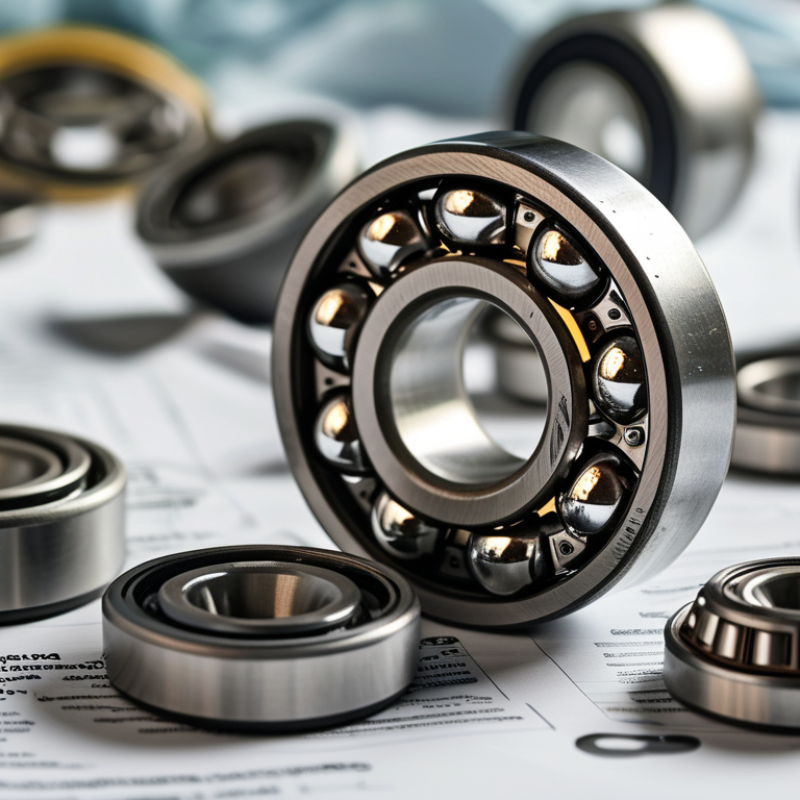
Deep groove ball bearings are widely used in various applications. They are versatile and easy to install. Understanding their structure is essential. A deep groove ball bearing consists of inner and outer rings, balls, and a cage. The key feature is the deep raceway, allowing for radial and axial loads. This design supports higher speeds than other bearing types.
When choosing a deep groove ball bearing, consider several factors. Load capacity is crucial. Analyze the weight of the application to determine if the bearing can handle it. Also, pay attention to speed. Some bearings are better for high-speed operations, while others are designed for lower speeds. Environmental factors, like temperature and moisture, matter too. Ensure the bearing material can withstand these conditions.
Evaluate the quality of the bearing. Not all bearings are created equal. Sometimes, cheaper options may lead to wear and tear faster. Maintenance is also vital. Regular inspections can prevent unexpected failures. It's essential to strike a balance between cost and reliability. Making informed decisions can save time and resources in the long run.
Choosing the right deep groove ball bearing can be challenging. Several key factors influence your selection. One primary factor is load capacity. According to a report by the International Bearing Association, the load rating of deep groove ball bearings ranges significantly, from 5 to over 100 kN, depending on design and size.
Another critical factor is speed capability. Deep groove ball bearings are typically used in applications with varying speeds. Research indicates that higher-quality bearings can operate effectively at speeds above 30,000 RPM. However, not all applications require such high-speed capabilities. Evaluating your specific needs is vital for ensuring optimal performance.
Moreover, environmental conditions play a significant role. Bearings exposed to contaminants should have appropriate seals. Lubrication also affects performance and lifespan. Selecting the wrong lubricant can lead to premature wear. Many overlook maintenance and replacement schedules, impacting long-term reliability. Regular monitoring can save costs and downtime, making awareness essential for users.
When selecting a deep groove ball bearing, it's crucial to consider specific application requirements. Load capacity is a primary factor. Reports indicate that proper load classification can increase bearing life by 20-30%. Oversized bearings may result in higher costs without significant benefits. At the same time, undersized bearings can fail prematurely.
Furthermore, operating conditions play a vital role in choice. For example, high-speed applications often require bearings made from specialized materials. These materials provide better heat resistance. According to industry data, 40% of bearing failures arise from inadequate lubrication. Choosing the right lubricant is as critical as selecting the bearing itself.
Environmental factors are also essential. Bearings operating in extreme temperatures or corrosive environments may need additional protective seals. Recent studies show that sealing can enhance bearing performance by up to 25% in adverse conditions. Yet, not every application warrants extra sealing. It is important to weigh the benefits against potential costs. The right choice depends on all these interconnected considerations.
| Application | Load Type | Speed Rating (RPM) | Temperature Range (°C) | Lubrication Type |
|---|---|---|---|---|
| Electric Motors | Radial Load | 3000 | -20 to 80 | Grease |
| Automotive | Combined Load | 5000 | -30 to 120 | Oil |
| Industrial Machinery | Radial Load | 6000 | -20 to 100 | Grease |
| Aerospace | Radial and Thrust Load | 7500 | -50 to 150 | Oil |
| Home Appliances | Radial Load | 3600 | 0 to 60 | Grease |
When choosing deep groove ball bearings, material and design variations play a crucial role. Common materials include steel, stainless steel, and ceramic. Each has distinct properties. Steel bearings offer high load capacity but may corrode. Stainless steel resists rust, making it ideal for humid conditions. Ceramic bearings are lightweight and have superior wear resistance. However, they can be pricier and less forgiving when misaligned.
Design variations also impact performance. Shielded or sealed designs help keep contaminants out. This increases lifespan in dusty environments. Open bearings allow for easier lubrication access but may expose them to debris. It’s vital to consider operating conditions. A bearing that excels in one environment may underperform in another. For instance, a sealed bearing might overheat in high-speed applications due to increased friction. Selecting the right combination of materials and designs requires careful thought. Prototyping and testing can reveal unforeseen challenges.
When selecting deep groove ball bearings, understanding sizing and load ratings is crucial. Sizing involves a careful analysis of the shaft diameter and the housing. Each bearing type has specific dimensions. These factors affect fitting accuracy. Choosing the correct size ensures smooth operation and stability. Factors like thermal expansion and tolerances also play significant roles. It’s not just about fitting; it's about performance.
Load ratings are equally important. These ratings indicate the maximum loads bearings can withstand. There are dynamic and static ratings to consider. The dynamic load rating refers to forces experienced during movement. Meanwhile, the static load rating applies when the bearing is stationary. Misjudging these can lead to premature failure or excessive wear. Users should assess their application and the expected load conditions. Considering continuous versus intermittent loads can also impact bearings' lifespan.
Lastly, the environment affects bearing choice. Exposure to moisture or contaminants can degrade performance. Users should also reflect on lubrication methods. It's essential to maintain an optimal balance. Over-lubrication might lead to overheating, while insufficient lubrication can cause excessive friction. Each decision impacts the overall system. Careful consideration can lead to optimal performance in machinery.
: They consist of inner and outer rings, balls, and a cage.
Load capacity, speed, and environmental conditions are crucial factors.
Proper load classification can increase bearing life by 20-30%.
High-speed applications require specialized materials for better heat resistance.
Inadequate lubrication accounts for 40% of bearing failures.
Common materials include steel, stainless steel, and ceramic.
Shielded designs keep contaminants out, while open designs allow easier lubrication access.
Yes, extreme temperatures or corrosive environments may require additional protective seals.
They may result in higher costs without significant benefits.
Regular inspections help prevent unexpected failures and prolong bearing life.
When selecting the appropriate Deep Groove Ball Bearing for specific applications, it's essential to understand their fundamental characteristics. This comprehensive overview covers the mechanics of Deep Groove Ball Bearings, emphasizing their versatility and suitability for various uses. Key factors that influence selection include load capacity, speed rating, and environmental conditions, which can significantly impact performance.
Moreover, this article explores application-specific considerations that dictate the choice of bearing type, such as operating temperature and contamination resistance. Material and design variations also play a crucial role, impacting durability and efficiency. Following common guidelines for sizing and load ratings is vital to ensure optimal function and longevity of Deep Groove Ball Bearings in any application.

Jito Bearing