How to Choose the Right Tapered Roller Bearing for Your Needs?

Time:2026-06-19 Author:Isabella
0%

Choosing the right tapered roller bearing is crucial for machinery performance. These bearings support both radial and axial loads. Understanding your specific application is vital when making a decision. Different designs carry distinct features, affecting overall efficiency and durability.

Many factors impact this choice. For instance, load capacity and speed ratings can vary greatly among tapered roller bearings. This discrepancy influences how well they perform in various environments. Additionally, material quality plays a significant role. A durable material can enhance service life, but it might come at a higher cost.

It’s easy to overlook the importance of fitting and installation. Proper alignment ensures optimal performance. Even minor installation errors can lead to premature failure. Therefore, learning about proper techniques is essential. Ultimately, the right choice requires careful consideration and reflection. Evaluate your needs to avoid costly mistakes in the future.
How to Choose the Right Tapered Roller Bearing for Your Needs?

Understanding Tapered Roller Bearings and Their Applications

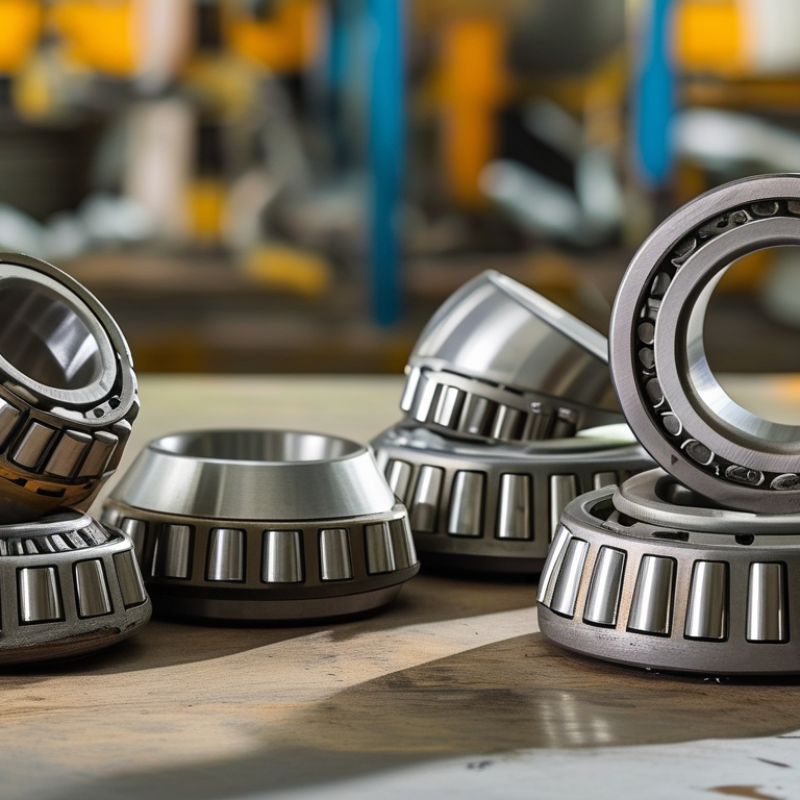
Tapered roller bearings are essential components in various machines. They are designed to handle both radial and axial loads efficiently. Understanding their structure can help you select the right one. These bearings feature tapered inner and outer raceways, which allow for optimal load distribution.

Applications for tapered roller bearings include automotive transmissions, industrial machinery, and aerospace equipment. In automotive settings, they support wheel hubs and drive systems. Poor selection of bearings may lead to premature wear or failure. It's important to consider factors like load capacity and environmental conditions.

While they offer many advantages, tapered roller bearings also come with challenges. Misalignment can lead to uneven wear, compromising performance. Regular maintenance is necessary to avoid issues. Bearing selection should be based on specific needs and operating conditions to ensure reliability.

Comparison of Tapered Roller Bearings by Load Capacity

Key Factors to Consider When Selecting Tapered Roller Bearings

When selecting tapered roller bearings, several key factors demand attention. Load capacity is paramount; the bearing must withstand specific loads without failure. According to industry data, nearly 40% of bearing failures stem from improper load selection. Choosing a bearing with a proper load rating ensures durability and optimal performance.

Size and design are equally critical. The outer diameter and width impact the fitting and operational efficiency. A Bearing Manufacturers Association report indicates that misaligned bearings can reduce lifespan drastically. Pay attention to tolerances between the bearing and housing for efficient operation.

Tips: Always consult the technical specifications. They give detailed information about load ratings and dimensions.

Additionally, consider the lubrication method. Proper lubrication reduces friction and enhances longevity. A study found that well-lubricated bearings can last up to twice as long.

Tips: Regularly monitor grease levels to avoid premature failure.

Tapered roller bearings are vital components in various machinery. Choosing the right one can lead to significant performance gains. However, make sure to avoid common pitfalls like overlooking the environment in which the bearing operates.

Identifying Load Requirements for Tapered Roller Bearings

When selecting a tapered roller bearing, understanding load requirements is crucial. Load requirements encompass both radial and axial forces that the bearing will experience during operation. Radial loads act perpendicular to the axis of the bearing, while axial loads are parallel. Each application will carry different load conditions, which significantly impacts bearing selection.

Calculating the combined load is a vital step. An incorrect assessment can lead to premature failure. Consider factors like operating speed and environmental conditions as well. Bearings used in heavy machinery often face higher stresses, demanding careful evaluation of material strength and design.

Visualize a construction site; bearings support huge loads and must endure tough environments. Oversized bearings may be unnecessary, yet undersized bearings compromise safety. It's imperative to reflect on your specific application needs. Don't overlook the impact of continuous use; maintenance schedules can greatly extend bearing life.

How to Choose the Right Tapered Roller Bearing for Your Needs? - Identifying Load Requirements for Tapered Roller Bearings

Bearing Type Dynamic Load Rating (kN) Static Load Rating (kN) Limiting Speed (rpm) Dimensions (mm)
Single Row 35.0 26.0 3000 20 x 42 x 12
Double Row 55.0 40.0 2200 30 x 60 x 15
Four Row 80.0 70.0 1500 45 x 90 x 20
Tapered Roller 45.0 35.0 2000 25 x 50 x 12

Material and Design Considerations for Durability and Performance

Choosing the right tapered roller bearing requires a deep understanding of materials and design. When considering durability and performance, the material is critical. High-quality steel often provides excellent strength and resistance to wear. However, some industrial applications may benefit from ceramic or polymer materials due to their lightweight properties.

Design is equally important in achieving optimal performance. The geometry of the roller and cone significantly impacts load distribution and the bearing’s overall life. Improper design can lead to premature failure. It's crucial to analyze the specific application conditions. Factors like load types and operational speeds should guide your design choice.

While many may overlook the significance of lubrication, it plays a key role in performance and durability. Choosing the right lubricant can enhance efficiency and reduce wear. Yet, improper maintenance schedules can lead to issues over time. Regular inspections and thoughtful material choices will foster a more reliable operating environment for your equipment.

How to Properly Install and Maintain Tapered Roller Bearings

Installing and maintaining tapered roller bearings requires precision and care. Begin by ensuring that the bearing surfaces are clean and free from contaminants. A small particle can cause significant damage during operation. Use clean gloves to handle the bearings, as oils from fingers can affect performance. It's crucial to inspect the bearing and its housing for any signs of wear or damage before installation.

When installing, apply a suitable lubricant to the bearings. This reduces friction and prolongs their lifespan. Carefully align the bearings to avoid uneven wear. Over-tightening can lead to premature failure. Use a torque wrench to ensure you apply the correct force. After installation, monitor performance regularly. Listen for unusual noises and check for excessive heat. These signs could indicate a need for maintenance or replacement.

Routine maintenance involves periodic checks and proper lubrication. Remove old grease and replace it with fresh lubricant as needed. This step is often overlooked. It’s important to document maintenance activities. Keeping a record helps identify patterns in wear or performance issues. Regularly revisit your procedures and modify them as necessary to improve efficiency. Tapered roller bearings are vital in many applications, and their care is essential for longevity.

FAQS

: What are tapered roller bearings designed for?

: They handle both radial and axial loads effectively.

Where are tapered roller bearings commonly used?

They are used in automotive transmissions, industrial machinery, and aerospace equipment.

Why is proper selection of tapered roller bearings important?

Poor selection can lead to premature wear or failure of the bearings.

What factors should be considered when selecting these bearings?

Key factors include load capacity, size, design, and lubrication method.

How can misalignment affect tapered roller bearings?

Misalignment causes uneven wear, which compromises bearing performance and reduces lifespan.

What is a critical step in assessing load requirements?

Calculating the combined load of radial and axial forces is essential.

How often should lubrication be monitored for these bearings?

Regular monitoring of grease levels is vital to avoid premature failure.

What is the consequence of incorrect load assessment?

An incorrect assessment can lead to premature failure of the bearing.

What effect does environment have on bearing selection?

Environmental conditions must be considered to ensure bearing reliability.

What maintenance should be performed on tapered roller bearings?

A routine maintenance schedule can help extend the life of the bearings.

Conclusion

Tapered roller bearings are essential components in various applications, renowned for their ability to handle both radial and axial loads. When choosing the appropriate tapered roller bearing, it is crucial to understand their specific applications, as well as the key factors impacting selection, such as load requirements, material, and design considerations.

Accurate identification of load requirements is vital for ensuring optimal performance and longevity of the tapered roller bearing. Additionally, selecting suitable materials and designs can enhance durability and overall functionality. Proper installation and regular maintenance further contribute to the effectiveness of tapered roller bearings, ensuring they operate efficiently in their intended applications.


Isabella

Isabella

Isabella is a dedicated marketing professional with a sharp focus on driving brand growth and engagement through strategic content creation. With an extensive background in digital marketing, she combines her passion for storytelling with her keen understanding of industry trends to deliver......