Cylindrical Roller Bearings are vital components in various industrial applications, providing smooth motion and support. Renowned expert Dr. John Smith, a leading authority in mechanical engineering, emphasizes their importance: "Cylindrical Roller Bearings reduce friction and enhance efficiency in machinery." This statement highlights their role in improving performance.
Cylindrical Roller Bearings excel in high-load situations. They are commonly found in motors, gearboxes, and numerous heavy machinery. Their design allows for higher radial loads than standard bearings. This unique feature makes them suitable for diverse applications, from automotive to aerospace.
However, selecting the right Cylindrical Roller Bearing can be complicated. Factors such as load type, speed, and environment need consideration. Mishandling can lead to premature failure. It is crucial to understand these details to ensure long-term reliability and efficiency in applications. The importance of proper choice and maintenance cannot be overstated.
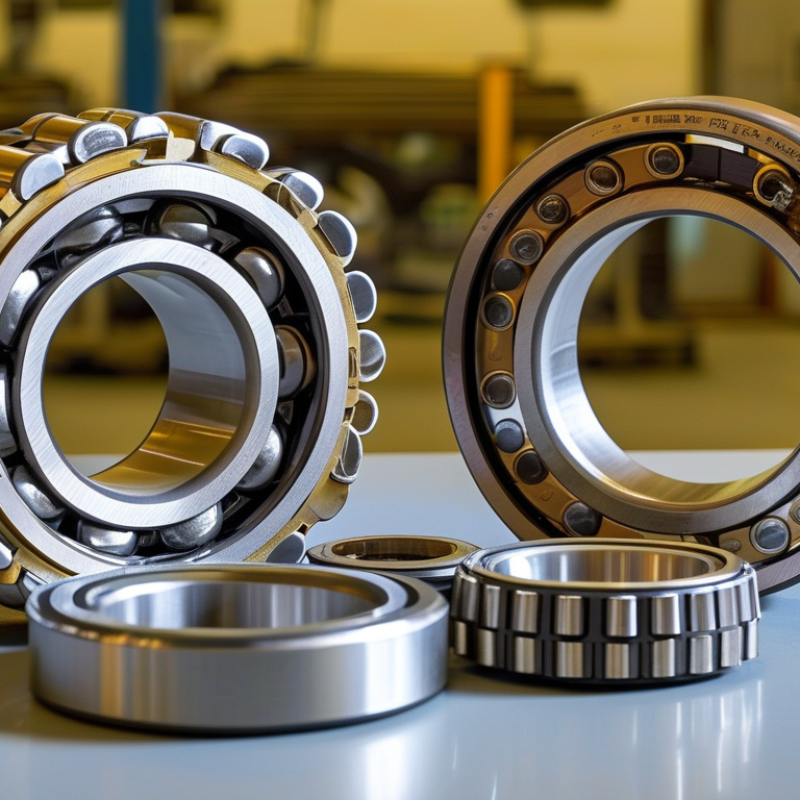
Cylindrical roller bearings are crucial components in machinery. They consist of cylindrical rollers arranged parallel to the axis of the bearing. This design allows for high radial load capacity while maintaining a compact structure. The rolling motion reduces friction, making them effective in heavy-duty applications. Their durability and efficiency make them suitable for automotive, industrial, and marine settings.
For optimal performance, ensure proper alignment during installation. Misalignment can lead to uneven wear and decrease the bearing’s lifespan. Regular maintenance checks will help identify issues early. Look for signs of wear and tear to prevent catastrophic failures.
These bearings can be simple to install, but complexities can arise. They require precise handling. Some users may overlook lubrication, impacting efficiency. The right lubricant enhances performance and extends service life. Remember, understanding the components and their functions significantly contributes to effective application.
| Dimension | Measurement (mm) | Load Capacity (kN) | Speed Rating (rpm) | Applications |
|---|---|---|---|---|
| Inner Diameter | 25 | 21.5 | 5000 | Electric Motors |
| Outer Diameter | 52 | 29.0 | 4800 | Gearboxes |
| Width | 15 | 18.5 | 6000 | Industrial Machinery |
| Cage Type | Steel | Varies | N/A | Construction Equipment |
| Seal Type | Non-contact | N/A | N/A | Railway Applications |
Cylindrical roller bearings are essential mechanical components known for their high load-carrying capacity. They consist of cylindrical rollers that make contact with the inner and outer rings. This design allows them to handle radial loads effectively. The bearings reduce friction and improve efficiency in various applications.
There are several types of cylindrical roller bearings, each with distinct features. Single-row cylindrical roller bearings are widely used for their simplicity. They can accommodate high radial loads but are limited in axial load capacity. In contrast, double-row cylindrical roller bearings can manage both radial and axial loads, making them suitable for more complex applications. According to a recent market report, the global demand for these bearings is projected to reach 20 billion USD by 2025, showing their vital role in industries such as automotive and manufacturing.
Another type, the full complement cylindrical roller bearing, eliminates the cage, allowing for more rollers. This design greatly enhances load capacity and is ideal for heavy-duty applications. However, it may not offer the same levels of speed as its caged counterparts. As industries evolve, understanding the various characteristics of these bearings becomes critical for improving performance and reliability in design.
Cylindrical roller bearings play a crucial role in various machinery. They consist of an outer ring, an inner ring, and a series of cylindrical rollers. This design allows them to support significant radial loads while ensuring low friction. The unique shape of the rollers aids in large contact areas, which enhances load-bearing capacity.
The working principle behind these bearings revolves around the rotation of the inner ring. As it turns, the cylindrical rollers roll between the inner and outer races. This rolling motion minimizes wear and tear compared to sliding movements. However, it is essential to note that the alignment of the rollers can sometimes lead to uneven load distribution. This misalignment can affect overall performance.
Load-bearing capacity is a critical factor for cylindrical roller bearings. They are designed to handle both radial and axial loads. The arrangement of the rollers contributes to their stability under heavy loads. High precision in manufacturing is necessary to ensure they achieve their rated performance. Imperfections in installation or maintenance can lead to premature failure. Understanding these nuances is vital for anyone using cylindrical roller bearings in their applications.
Cylindrical roller bearings are widely used in various industries due to their robust design and high load capacity. They excel in applications that require radial load support while minimizing friction. In the automotive industry, for example, they are commonly found in gearboxes and transmission systems. Their ability to handle heavy loads makes them essential in making vehicles efficient and reliable.
In manufacturing, these bearings play a significant role in machinery like conveyor systems and industrial gearboxes. Their unique design allows for quick installation and maintenance. This can save time and costs for manufacturers. However, improper alignment or inadequately lubricated bearings can lead to premature wear, impacting production efficiency. The marine industry also benefits from cylindrical roller bearings, as they provide stability in harsh environments.
Despite their advantages, one must consider potential drawbacks. Installation errors can lead to increased vibration, which may cause damage over time. Regular inspection is critical to ensure their longevity and performance. Understanding these nuances helps engineers and technicians make informed decisions in their applications, ensuring machines operate smoothly and efficiently.
Cylindrical roller bearings are crucial in various industrial applications. Proper maintenance and troubleshooting can significantly enhance their performance and lifespan. Regular inspections should focus on identifying signs of wear and fatigue. Keeping the bearings clean is essential. Contaminants can lead to premature failure.
Vibration analysis is a powerful tool in monitoring bearing health. Changes in vibration patterns can indicate potential issues. Listening for unusual noises during operation is also informative. A sudden increase in noise often suggests misalignment or insufficient lubrication. This moment may require immediate attention.
Lubrication is vital but can be overlooked. Different applications may require specific lubrication types and intervals. Over-lubrication can lead to excess heat and reduced efficiency. Under-lubrication can cause friction and damage. It is important to find a balance. Regularly reviewing and adjusting lubrication practices can prevent performance issues. Keep records of maintenance activities to facilitate better decision-making in the future.
: They are crucial components with cylindrical rollers arranged parallel to the bearing’s axis.
The inner ring rotates, and cylindrical rollers roll between inner and outer races, reducing wear.
They can handle significant radial and axial loads due to their unique roller arrangement.
Misalignment can lead to uneven wear and decrease the bearing's lifespan.
Regular checks for wear and tear help prevent catastrophic failures and ensure efficiency.
The right lubricant enhances efficiency and extends service life, while neglecting it impacts performance.
Yes, while they can be simple to install, precise handling is often required to avoid issues.
Signs of wear and any misalignment should be identified early to prevent further damage.
High precision in manufacturing is crucial to ensure rated performance and reliability.
Imperfections in maintenance can lead to premature bearing failure and costly downtime.
Cylindrical roller bearings are specialized mechanical components designed to support radial loads while allowing for a degree of axial movement. These bearings feature a cylindrical shape that helps distribute loads evenly across a large surface area, which enhances their overall performance and longevity. There are several types of cylindrical roller bearings, each with unique characteristics tailored to specific applications, such as single-row, double-row, and tapered options.
The working principle of cylindrical roller bearings relies on the smooth rotation of cylindrical rollers within the inner and outer races, which minimizes friction and wear. Their remarkable load-bearing capacity makes them suitable for various industries, including automotive, manufacturing, and aerospace. To ensure optimal performance, regular maintenance and careful troubleshooting are essential. This involves monitoring for signs of wear and addressing any issues promptly to prevent operational failures. In summary, cylindrical roller bearings play a crucial role in enhancing the efficiency and reliability of machinery across diverse sectors.

Jito Bearing