When selecting the right bearings ball, many factors come into play. This choice is crucial for performance in various applications, from machinery to consumer products. A poor selection can lead to inefficiency and even failure. Understanding the types of bearings ball available on the market is essential.
Consider the load capacity, speed ratings, and material quality. For instance, stainless steel bearings are more durable, while ceramic options can handle higher speeds. However, personal experiences with each type vary; what works for one application may not for another.
Reflecting on these elements allows for smarter choices. It is important to research and consult experts in the field. They can provide insights based on real-world usage. Ultimately, investing time in this process pays off. Choosing the right bearings ball can make a significant difference in long-term performance and reliability.
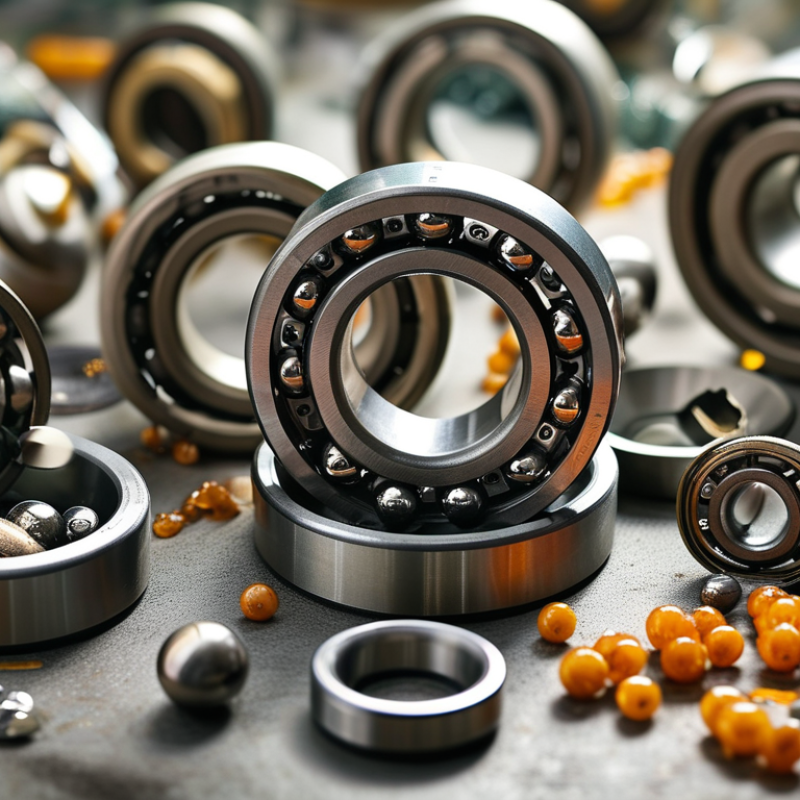
When selecting ball bearings, understanding their types is crucial. Ball bearings can be broadly categorized into several designs, each with distinct applications. For example, deep groove ball bearings are the most common type, suited for a variety of machinery. They handle both radial and axial loads, making them versatile for use in electric motors, automotive applications, and household appliances. According to a recent industry report, deep groove ball bearings comprise about 70% of the total ball bearing market.
Another significant type is angular contact ball bearings. These are designed to accommodate higher axial loads and are often used in high-speed applications. The contact angle in these bearings allows for better stability under load. A survey highlighted that industries such as aerospace and precision engineering increasingly prefer these due to their efficiency. However, they can be more sensitive to misalignment, which may lead to premature failure if not properly installed.
Thrust ball bearings are specifically for axial loads. While they are effective, they lack the capacity for radial loads and are used primarily where axial forces are dominant. Despite their limited usage, they serve essential roles in some applications, such as in automotive transmissions. Choosing the correct type of ball bearing requires careful consideration of the operational environment and load requirements. Balancing these aspects is paramount to achieving desired performance levels.
Choosing the right materials for ball bearings is crucial for ensuring durability and optimal performance. Common materials include stainless steel, ceramic, and plastic. Stainless steel is popular due to its strength and corrosion resistance, making it suitable for various environments. However, its weight may not be ideal for all applications.
Ceramic ball bearings are lightweight and offer low friction. They can withstand higher temperatures and resist wear. However, they are more brittle than metal options, which can lead to failures under certain conditions. Finding the right balance between weight, strength, and durability can be challenging.
Plastic ball bearings are another option for lightweight applications. They are resistant to chemicals and moisture but might lack the performance needed for high-speed operations. Each material has its pros and cons. Analyzing specific application needs is essential. Test results should guide the selection process, but they can often lead to different conclusions. Reflecting on real-world performance data will help refine choices further.
| Material | Durability | Performance | Corrosion Resistance | Cost-Effectiveness |
|---|---|---|---|---|
| Stainless Steel | High | Very Good | Excellent | Moderate |
| Chrome Steel | Very High | Outstanding | Good | Low |
| Plastic | Moderate | Adequate | Good | High |
| Ceramic | Very High | Excellent | Outstanding | Expensive |
| Hybrid (Steel + Ceramic) | Very High | Outstanding | Excellent | High |
When selecting ball bearings, one crucial aspect is assessing load ratings and capacity. Understanding how much weight a bearing can handle is vital for performance. Each application has specific load requirements. An accurately rated bearing improves reliability and helps prevent failures.
Load ratings typically consist of basic dynamic and static ratings. The dynamic rating indicates how much load a bearing can handle while in motion. The static rating is for when the bearing is stationary. It is essential to consider both. Not all manufacturers provide clear rating metrics. Some may give generic values which require further analysis.
Pay close attention to the application's environment. Factors like temperature, speed, and lubrication influence the effective load capacity. Data sheets often contain this information but can be overwhelming. If unsure, consult a knowledgeable expert or engineer for guidance. Sometimes, it might be better to choose a bearing with a higher capacity than necessary. It provides a safety margin. Balancing cost and performance can be tricky. Careful consideration ensures optimal operation while avoiding premature wear and tear.
Choosing the right ball bearings involves understanding various operating conditions and environmental factors. Different applications require different materials and designs. For instance, bearings used in high-speed machinery must endure significant heat and pressure. Reports indicate that improperly selected bearings can result in a 20% reduction in equipment lifespan. It’s crucial to factor in these elements during the selection process.
Temperature extremes can impact performance. Bearings exposed to high temperatures may need special lubricants. Consistent exposure to moisture can lead to corrosion, thus affecting reliability. Data shows that up to 50% of bearing failures are due to lubrication issues related to environmental conditions. Regular assessments and adjustments based on real-time data can mitigate these risks. Considering the specific conditions of your application is essential for optimal operation.
The load type and speed also play vital roles. Heavy loads require robust designs, while lighter applications may afford more flexibility. Studies show that the bearing load should not exceed 80% of its rated capacity for longevity. Many overlook this detail, resulting in premature failure. A thorough evaluation of operating conditions, including vibration levels and potential contamination, can prevent costly downtime.
When choosing ball bearings, manufacturer reputation is crucial. A well-established company often reflects reliability. Look for manufacturers with a long history in the industry. Their experience often translates into higher quality products. Seek out reviews and testimonials from users. Positive feedback suggests that a company's bearings perform well under various conditions.
Examine the details in product reviews. Users frequently share specific experiences, shedding light on performance and potential issues. High ratings with detailed comments demonstrate reliability. Be wary of overly positive reviews. They may lack authenticity. It’s also wise to look for signs of consistent complaints. Frequent issues can indicate underlying problems with the manufacturing process.
Consider the sources of your information. Industry experts may provide more nuanced insights than casual users. Check third-party review sites for unbiased opinions. They often compile data from multiple consumers. This approach helps create a broader view of what to expect. Engaging with forums or discussion groups can reveal valuable insights. Overall, collect as much information as possible to make a sound decision.
: Look at both dynamic and static ratings. Each applies to motion or stillness.
It ensures performance and reliability. An accurate rating helps prevent failures.
Environment, temperature, speed, and lubrication all play a critical role.
Consult an expert or engineer for better guidance.
Yes, a higher capacity provides a safety margin for better reliability.
Established companies often produce more reliable products due to their experience.
Detailed feedback and specific experiences reveal performance and potential issues.
Not necessarily. Overly positive reviews might lack authenticity and relevance.
Check third-party review sites and forums for diverse opinions.
Careful consideration of all factors is essential to avoid premature wear.
When selecting the best ball bearings for your needs, it is essential to understand the various types available in the market. Different designs cater to specific applications, and evaluating the materials used in construction can significantly impact both durability and overall performance. Choosing the right material ensures that the bearings ball can withstand the demands of your operating conditions.
Additionally, assessing load ratings and capacity is crucial to ensure that the bearings can handle the specific requirements of your application. Factors such as operating conditions and environmental challenges should also be considered, as they affect the longevity and reliability of the bearings ball. Lastly, analyzing manufacturer reputation and product reviews can provide insights into the quality and dependability of the bearings, allowing for a more informed decision. By carefully considering these aspects, you can select the best ball bearings to meet your unique needs.

Jito Bearing