Choosing the right Bearing Roller Tapered solutions can be challenging. An expert in the field, Dr. James H. Tailor, once said, “The right choice is as crucial as the quality of the bearing itself.” His words highlight the significance of informed decisions when it comes to bearing selection.
Bearing Roller Tapered products are essential in various applications. They support heavy loads while minimizing friction. Understanding the specific needs of your machinery is key. Equally important is knowing which materials and designs will deliver the best performance. Sometimes, the ideal solution may appear obvious but requires deeper analysis.
Many factors play a role in the decision-making process. Consider your operational environment, load requirements, and even cost. Balancing these elements can lead to more efficient machinery and longer-lasting components. However, it is easy to overlook critical details, leading to unexpected challenges. Reflecting on past experiences can often yield valuable insights for improved choices.
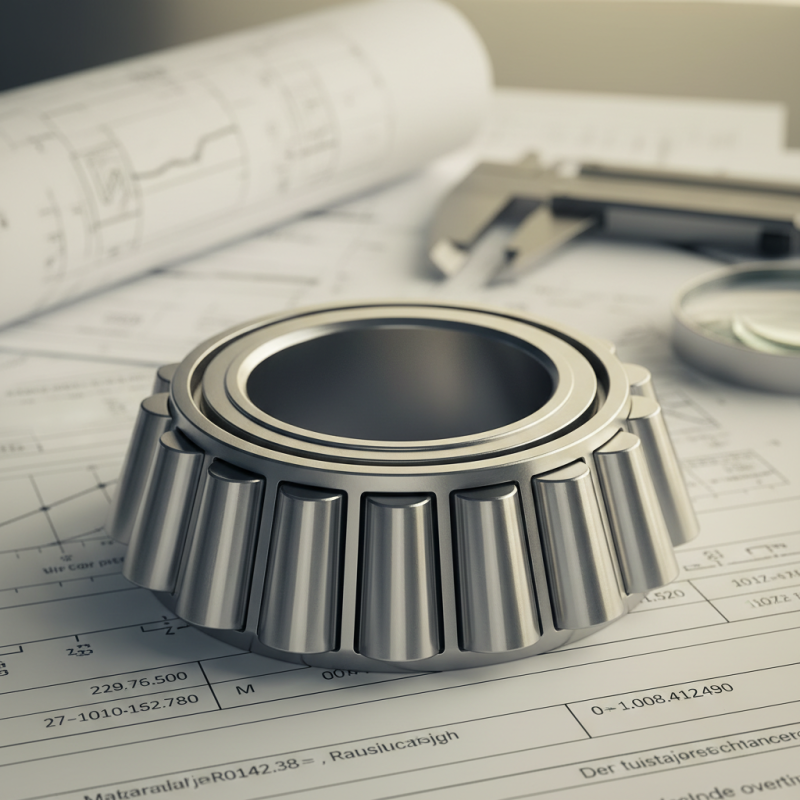
When selecting tapered bearing roller solutions, several critical factors must be considered. Load capacity is essential. Tapered roller bearings can support both radial and axial loads. According to industry reports, generally, larger diameters can handle higher loads. This means that choosing the right size is vital for performance and longevity.
Another key element is the material. Quality steel ensures durability and resistance to wear. Depending on the application, some sectors may require specialized coatings to enhance performance. A study indicated that bearing failures often originate from inadequate material selection, leading to operational inefficiencies.
Also, pay attention to the installation process. Improper alignment can lead to premature failure. Many users underestimate this phase, which is regrettable. Regular maintenance checks can also prevent unforeseen breakdowns. The initial costs of high-quality bearings may seem steep, but the long-term savings outweigh them.
When selecting tapered bearings, understanding load capacity is crucial. Load capacity refers to the maximum load a bearing can handle efficiently. This capacity is influenced by factors like the size, material, and design of the bearing. A higher load rating means the bearing can support heavier loads, but this comes with trade-offs in size and cost. Choosing a bearing solely on high capacity may lead to miscalculations in application.
Evaluating the load rating involves considering both dynamic and static loads. Dynamic load rating indicates how much load a bearing can withstand during operation. Conversely, static load rating reflects maximum load at rest. Selecting a bearing without understanding these nuances can result in premature failure or inefficiency. Potential users must consider the operational environment and the expected load cycle.
Additionally, misjudgments occur when users underestimate the impact of speed and temperature on bearing performance. Bearings operate under various conditions, and each condition affects the load capacity differently. Users must reflect on these elements to make informed choices. Thus, the right taper roller bearing solution balances load capacity with performance durability. It’s important to perform thorough assessments before finalizing any selection.
When selecting tapered roller bearings, material choice plays a major role in durability and performance. High-quality steel or advanced composites provide better resistance to wear and fatigue. According to industry studies, bearings made from premium materials can extend service life by up to 50%. Meanwhile, some cheaper materials may lead to premature failure, resulting in costly downtime.
Tips for selecting the right material include considering the application environment. If exposed to harsh conditions or contaminants, opt for corrosion-resistant materials. Incorporating heat treatment could also enhance the material's strength, providing additional protection against deformation. An industry report highlights that up to 30% of bearing failures are attributed to material weaknesses.
Another essential factor is lubrication compatibility. Choose materials that work well with selected lubricants. This combination can improve performance and reduce friction. Avoid assumptions about standard materials. It's crucial to evaluate specific needs. A tailored approach often yields better results than a one-size-fits-all solution. Careful material consideration can significantly impact overall system efficiency and longevity.
| Dimension | Material Type | Durability Rating | Performance Index |
|---|---|---|---|
| 30 mm OD | Chrome Steel | High | 0.85 |
| 40 mm OD | Stainless Steel | Very High | 0.90 |
| 50 mm OD | Carbon Steel | Moderate | 0.70 |
| 60 mm OD | Ceramic | Excellent | 0.95 |
When selecting tapered roller bearings, precision and tolerance are critical. These factors ensure that the bearing performs effectively under load. A small misalignment can lead to wear and early failure. Tapered roller bearings work best when aligned properly, allowing for optimal distribution of forces. Each component in the assembly must meet strict tolerance requirements.
Precision machining is at the core of producing quality tapered roller bearings. Even tiny deviations can result in significant issues over time. These bearings require exact measurements for the rollers and raceways. Manufacturers invest in advanced technology for this reason. Yet, not all producers maintain the same standards, which can lead to variability in performance.
Quality control should be a priority when evaluating suppliers. Look for those that implement rigorous testing protocols. Understanding how bearings are manufactured can also inform your purchasing decisions. Not every tolerancing method can guarantee the same reliability. Seek out detailed specifications to judge the level of precision. It’s wise to question and compare the tolerances presented by different manufacturers. This approach can reveal insights into the bearing’s expected performance and lifespan.
Tapered bearing solutions play a crucial role in various industries, such as automotive, aerospace, and manufacturing. According to the Global Bearing Market report, the demand for tapered roller bearings is projected to grow significantly, driven by advancements in machinery and technology. These bearings are favored for their ability to handle both radial and axial loads, making them ideal for applications that require high precision and durability.
In automotive applications, tapered bearings are commonly used in wheel hubs and transmission systems. Their design allows for smoother rotation and improved load distribution. A study from the American Bearing Manufacturers Association highlighted that using high-quality tapered roller bearings can lead to a reduction in friction over 20%. This can enhance fuel efficiency and extend component lifespan, vital in a competitive market.
Moreover, adhering to industry standards like ISO 9001 ensures reliable performance and safety. However, the manufacturing process can vary significantly, affecting quality. Discrepancies in material selection and design tolerances can sometimes lead to failures in high-stress environments. When selecting tapered bearings, understanding the specific application requirements is essential for optimal performance and longevity.
: Load capacity is the maximum load a bearing can handle efficiently during operation.
Dynamic load rating indicates load capacity during operation; static load rating reflects maximum load at rest.
Size, material, and design of the bearing all influence its load capacity significantly.
The right material improves durability and performance, affecting service life and resistance to wear.
Bearings exposed to harsh conditions should use corrosion-resistant materials to prevent premature failure.
Compatibility between materials and lubricants reduces friction and enhances overall performance.
Precision ensures proper alignment, optimal force distribution, and prevents premature wear and failure.
Even slight misalignment can lead to increased wear and significantly shorten bearing lifespan.
Look for suppliers with rigorous quality control and testing protocols for consistent performance.
Temperature variations can impact load capacity, necessitating careful consideration during selection.
When selecting Bearing Roller Tapered solutions, several key factors must be considered to ensure optimal performance and longevity. The load capacity and rating of the tapered bearings play a crucial role in their selection process, as these metrics determine how much weight the bearings can handle under various conditions. Material considerations are equally important, as high-quality materials contribute to enhanced durability and overall performance.
Precision and tolerance are vital in the manufacturing of tapered roller bearings, as slight variations can significantly affect their functionality. Furthermore, understanding the specific applications and adhering to industry standards is essential for effective implementation in various settings. By taking these factors into account, one can make informed decisions when choosing Bearing Roller Tapered solutions that meet both operational needs and performance expectations.

Jito Bearing