The global auto industry relies heavily on quality components. Auto wheel bearings are crucial for vehicle performance and safety. Selecting the right suppliers is essential for manufacturers and automotive professionals.
China stands out in the auto wheel bearing market. Its numerous suppliers offer a wide range of products. However, not all suppliers maintain high standards. Some may compromise on quality or delivery timelines. This is an area worth investigating.
Understanding the landscape is vital for global buyers. This review highlights the top ten auto wheel bearing suppliers in China. Each of these businesses has earned a reputation for reliability. They combine experience with technical expertise, ensuring buyers find trustworthy partners.
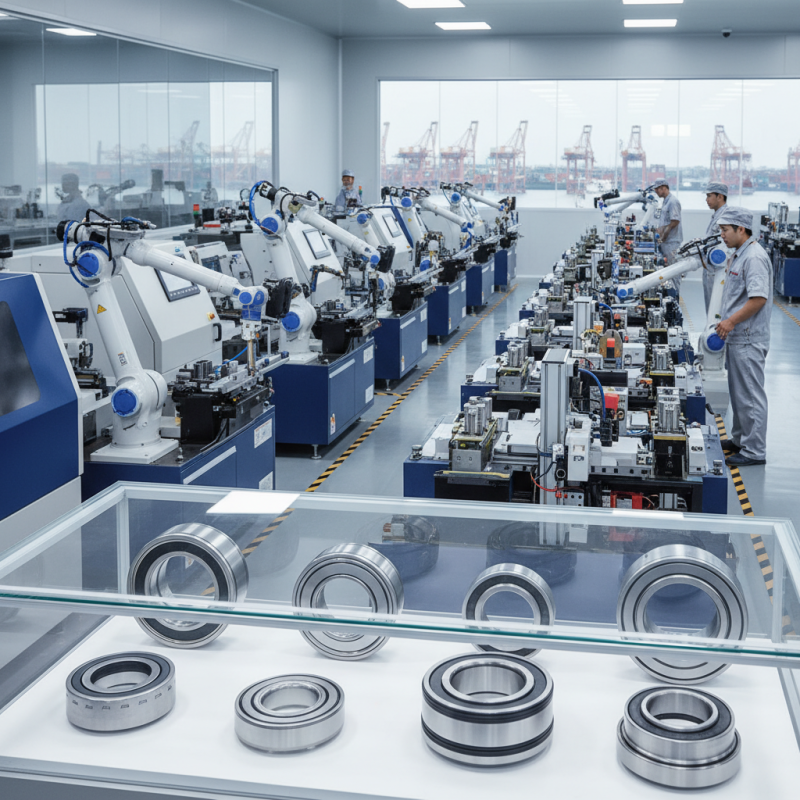
The auto wheel bearing industry in China has witnessed substantial growth over recent years. According to a 2022 market report, China accounts for approximately 35% of the global auto wheel bearing production. The rising demand for vehicles drives this growth. Several factors contribute to this trend, including urbanization and increased disposable income.
Despite this positive trajectory, challenges remain. Quality control can vary significantly among manufacturers. In some cases, lower quality bearings can lead to premature failure, raising safety and reliability concerns. Industry experts suggest that buyers should prioritize suppliers who adhere to international quality standards. Furthermore, the competitive landscape presents difficulties for new entrants and established companies aiming to enhance market share.
The reliance on raw materials presents another area for reflection. Fluctuating prices of steel and other materials affect production costs. Sustainability practices are becoming more critical, as consumers and regulators push for environmentally friendly solutions. Integrating green technologies into production is essential for long-term viability in this evolving market.
When global buyers seek auto wheel bearing suppliers in China, several key factors influence their selection. Quality assurance is paramount. Buyers must ensure that the products meet international standards. Certification from authoritative bodies significantly enhances a supplier's reliability. Many suppliers provide testing documentation, which can help buyers feel more secure in their choices.
Pricing and payment terms are also crucial. Competitive pricing attracts buyers, but it should not compromise quality. A transparent pricing model is preferred. Moreover, flexible payment options can influence decisions. However, looking for the lowest price may lead to unwanted surprises. Buyers often need to balance cost with quality.
Communication is vital for successful partnerships. Suppliers who offer support in multiple languages create a comfortable environment for buyers. Response times and customer service quality also matter. Lastly, the supplier's location can impact logistics. Proximity to shipping hubs may reduce delivery times and costs. Yet, it’s important to evaluate whether local suppliers can match the quality of goods offered elsewhere. These nuances can help buyers make informed decisions.
The automotive wheel bearing market in China has shown impressive growth, driven by rising vehicle production and demand. According to industry reports, the market size is projected to reach USD 3.6 billion by 2025, with a compound annual growth rate (CAGR) of 6.5%. This growth is attributed to the increasing preference for vehicle safety and durability.
Several companies stand out in this competitive landscape. They excel in various aspects, such as manufacturing technology, product quality, and supply chain management. Many of these firms invest heavily in research and development to enhance performance and longevity. Advanced materials are often utilized, providing improved resistance to wear and a reduction in noise levels during operation.
However, challenges remain. The quality control process can vary among suppliers, sometimes leading to inconsistencies. Moreover, the fast-paced market demands continuous innovation, which is not always met. Companies that fail to adapt may face declining market share. Buyers should critically assess suppliers, ensuring they prioritize reliability and technological advancement. The evolving landscape requires close attention to maintain a competitive edge.
| Supplier Rank | Annual Revenue (Approx.) | Employee Count | Specialty Products | Market Export Rate |
|---|---|---|---|---|
| 1 | $100M | 500+ | High-performance Bearings | 75% |
| 2 | $80M | 300+ | Industrial Bearings | 65% |
| 3 | $90M | 450+ | Automotive Specialized Bearings | 80% |
| 4 | $70M | 200+ | Wheel Bearings | 60% |
| 5 | $60M | 350+ | Heavy-Duty Bearings | 55% |
| 6 | $50M | 280+ | Ball Bearings | 50% |
| 7 | $40M | 150+ | Sealed Bearings | 45% |
| 8 | $30M | 100+ | Custom Bearings | 40% |
| 9 | $20M | 75+ | Precision Bearings | 35% |
| 10 | $10M | 50+ | Hybrid Bearings | 30% |
When evaluating auto wheel bearing suppliers in China, pricing and quality play significant roles. Many suppliers offer competitive prices, but the key is finding the right balance between cost and performance. Some offer low-cost options that may compromise quality. Buyers often report issues with durability in cheaper products, raising concerns about longevity.
On the other hand, suppliers that emphasize quality tend to have higher pricing. These suppliers ensure rigorous testing and quality control processes. Buyers should seek suppliers with a strong reputation for reliability. Requesting samples can help assess the product quality before making bulk orders.
Understanding the supplier's manufacturing practices is crucial. Some factories prioritize efficiency over quality. This can lead to inconsistencies in the final product. Buyers should communicate clearly about their quality expectations. A well-defined quality assurance process can prevent misunderstandings. Therefore, detailed discussions about pricing and quality are essential for a successful partnership.
China's auto wheel bearing production has undergone significant evolution in recent years. Manufacturers are now focusing on advanced materials and smart technologies. This shift enhances performance and durability. High-strength steel and ceramic composites are becoming popular choices. These materials improve resistance to wear and temperature, which is crucial for safety and longevity.
Innovation is evident in production techniques as well. Automation and robotics are increasing efficiency and accuracy in the manufacturing process. Data-driven methods are also being utilized for quality control. However, there is still room for improvement in adopting sustainable practices. Reducing waste and energy consumption remains a challenge for many suppliers.
The globalization of the auto industry influences these trends. China is positioning itself as a key player in this market. Nevertheless, potential buyers must navigate quality assurance concerns. Not all suppliers meet global standards. Buyers should prioritize thorough assessments of manufacturing capabilities and certifications. This diligence ensures that they partner with reliable suppliers.
: Increasing vehicle demand, urbanization, and rising disposable income are key drivers of growth.
Quality control varies significantly among manufacturers, leading to potential safety concerns.
Buyers should check for adherence to international quality standards and certification from reputable authorities.
Competitive pricing attracts buyers, but it should not compromise product quality or lead to hidden costs.
Suppliers who communicate in multiple languages and provide timely responses foster better partnerships.
Manufacturers are adopting advanced materials and smart technologies to enhance performance and durability.
Reducing waste and energy consumption is still a work in progress for many suppliers in the industry.
Proximity to shipping hubs can reduce delivery times and costs, but quality must also be evaluated.
Globalization increases competition, making it important for buyers to assess manufacturers thoroughly.
Focusing only on cost can lead to poor quality, resulting in unexpected issues and higher long-term expenses.
The auto wheel bearing industry in China has become a pivotal sector for global buyers, driven by a combination of high-quality production and competitive pricing. Key factors influencing supplier selection include the quality of materials, production capabilities, and adherence to international standards. Understanding these elements is crucial for global buyers looking to partner with the best suppliers in the market.
In evaluating the top 10 auto wheel bearing suppliers, buyers can gain insight into each company's strengths and how they compare in terms of price and quality. Additionally, the industry is witnessing significant trends and innovations that are shaping the future of auto wheel bearing production in China, emphasizing the importance of keeping abreast of these developments to make informed purchasing decisions.

Jito Bearing