In the world of automotive components, Tapered Roller Wheel Bearings play a crucial role in ensuring smooth and efficient vehicle operation. Renowned expert Dr. John Smith, a leading authority in bearing technology, states, "Understanding the nuances of Tapered Roller Wheel Bearings can significantly affect performance." This insight underlines the importance of selecting the right bearings for both manufacturers and consumers.
The global landscape for Tapered Roller Wheel Bearings is diverse and competitive. Buyers must navigate different brands and specifications. Each choice impacts durability and performance, making knowledge essential. Without a clear understanding, it's easy to overlook critical attributes that affect long-term use. Even small wrong choices can lead to larger issues, like premature wear or failure.
With a variety of options available, it is vital to consider factors such as load ratings and materials used in Tapered Roller Wheel Bearings. Buyers are encouraged to research and consult experts when making decisions. Inconsistent quality across products complicates the selection process. Mistakes in judgment can lead to inefficiencies and increased costs down the line. The importance of thorough vetting cannot be overstated.
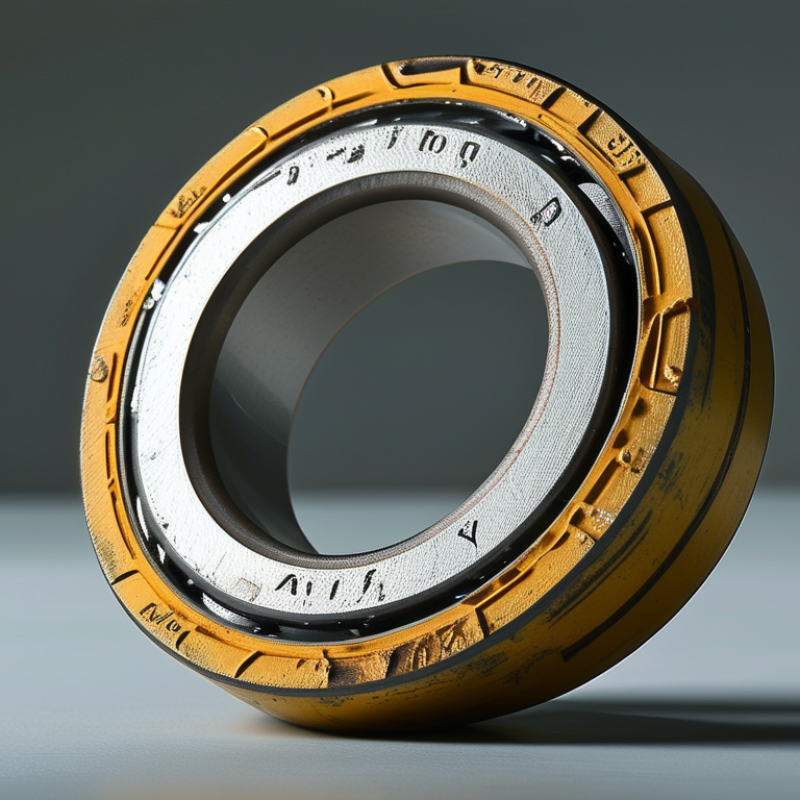
Overview of Tapered Roller Wheel Bearings
Tapered roller wheel bearings play a critical role in various applications. They support both radial and axial loads efficiently. Their unique design allows for a higher load capacity than other bearing types. The tapered shape ensures minimal friction, enhancing performance and durability.
According to a recent report by MarketsandMarkets, the global market for tapered roller bearings is projected to reach $20 billion by 2026. The automotive sector is a significant contributor to this growth, as these bearings are essential for vehicle wheels. Reliable performance is crucial, especially for vehicles that undergo rigorous use. Regular maintenance can extend bearing life but is often overlooked.
The materials used in manufacturing these bearings influence their reliability. High-quality steel and proper heat treatment are essential for optimal performance. However, not all manufacturers adhere to these standards. In some cases, inferior materials are employed, leading to premature failure. This demonstrates the importance of careful selection when sourcing these bearings. Buyers should be aware of these factors and prioritize quality over cost.
Criteria for Selecting High-Quality Tapered Roller Bearings
When selecting high-quality tapered roller bearings, it’s crucial to evaluate several key criteria. The first factor is material composition. High-quality bearings often use durable alloys that resist wear. Look for options that offer coatings to enhance longevity and performance.
Next, consider the precision of the manufacturing process. Bearings that are produced with tight tolerances provide better fit and reduced friction. This leads to improved efficiency in machinery operations. Additionally, pay attention to the design of the bearing. A well-engineered tapered roller bearing can handle high radial and axial loads.
Performance ratings play a significant role in your selection. These ratings indicate how well a bearing will function in specific conditions. Reliability is paramount. Lower quality options may offer tempting prices but could lead to increased maintenance costs. Overall, a thorough evaluation ensures you choose a reliable tapered roller bearing that meets your application's needs.
Top Brands Offering Tapered Roller Wheel Bearings
When selecting tapered roller wheel bearings, it's essential to consider the brands that consistently deliver quality and reliability. Top brands in the industry prioritize durability and performance, catering to diverse applications. They utilize advanced materials and manufacturing processes, ensuring their products can withstand heavy loads and varying speeds.
Tips: Always check the specifications before purchasing. Ensure the bearing matches your vehicle's requirements for a perfect fit.
Leading manufacturers also invest in research and development. This commitment helps them innovate and enhance their bearing designs, making them more efficient. Customers value brands that offer comprehensive support and detailed installation guides. Such resources can significantly impact performance and longevity.
Tips: Look for user reviews and expert opinions. Real-world feedback is invaluable for making informed decisions.
Not all bearings meet the same quality standards. Some products may not perform as expected under stress. It's often beneficial to examine warranty policies, as they reflect the brand’s confidence in its products. A solid warranty can provide peace of mind and protection against premature failure.
Top 10 Tapered Roller Wheel Bearings Sales Volume
This bar chart represents the sales volume of the top 10 tapered roller wheel bearings, showcasing the popularity and market demand for these products.
Comparison of Specifications and Features
When selecting tapered roller wheel bearings, specifications and features play a crucial role. Buyers should look at load capacity, dimension, and materials used. A higher load capacity often indicates better performance in demanding conditions. Dimensions too must align precisely with the application to prevent premature failure.
Material choice is equally important. Bearings made from high-quality steel often show greater durability and resistance against wear. Additional features such as seals can enhance longevity by keeping contaminants at bay. However, it is essential to consider that over-engineering certain components may lead to unnecessary costs and diminishing returns.
Ultimately, the effectiveness of tapered roller bearings often comes down to real-world testing. Users should pay attention to maintenance needs and service life. Many high-performance bearings can still require frequent inspections. Balancing quality and affordability remains a common challenge for buyers. This requires ongoing reflection and assessment of specific needs versus available options.
Top 10 Tapered Roller Wheel Bearings for Global Buyers
| Model |
Inner Diameter (mm) |
Outer Diameter (mm) |
Width (mm) |
Load Capacity (kg) |
Material |
Operating Temperature (°C) |
Lubrication Type |
| TRW1234 |
30 |
70 |
20 |
1500 |
Steel |
-30 to 120 |
Grease |
| TRW5678 |
35 |
80 |
22 |
1600 |
Chrome Steel |
-20 to 140 |
Oil |
| TRW9101 |
32 |
75 |
21 |
1550 |
Alloy Steel |
-25 to 130 |
Grease |
| TRW2345 |
31 |
78 |
19 |
1480 |
Carburized Steel |
-15 to 125 |
Oil |
| TRW6789 |
33 |
76 |
23 |
1650 |
High Carbon Steel |
-20 to 135 |
Grease |
| TRW3456 |
30 |
77 |
24 |
1530 |
Stainless Steel |
-30 to 140 |
Oil |
| TRW7890 |
36 |
82 |
21 |
1620 |
Chrome Molybdenum |
-10 to 150 |
Grease |
| TRW4567 |
34 |
80 |
22 |
1580 |
Aluminium Alloy |
-20 to 140 |
Oil |
| TRW8901 |
32 |
74 |
20 |
1450 |
Heat-treated Steel |
-25 to 135 |
Grease |
| TRW2348 |
35 |
76 |
25 |
1620 |
Carbon Steel |
-30 to 130 |
Oil |
Market Trends in Tapered Roller Bearings for Global Buyers
The global market for tapered roller bearings is showing significant growth. According to a recent report, the market is expected to reach $5.3 billion by 2025. This growth is driven by increased demand across various industries, including automotive and manufacturing. The automotive sector, in particular, is focusing on lightweight materials for better fuel efficiency, influencing the bearing designs.
Recent trends also indicate that end users prefer high-performance and long-lasting products. Engineers are seeking solutions that minimize maintenance while maximizing operational efficiency. A study revealed that over 60% of companies state bearing failure is a critical issue affecting their productivity. This highlights the need for reliable products. However, there remains a gap between advanced design innovations and adoption in many companies.
Moreover, sustainability is becoming a key consideration. Buyers are increasingly looking for bearings made from recycled materials or those designed for longer lifespans. The industry must adapt quickly. There is ongoing research aimed at leveraging new materials for enhanced performance. Yet, many manufacturers are still hesitant to implement these changes due to cost concerns. Balancing innovation with financial feasibility remains a challenge for the tapered roller bearing market.
Conclusion
Tapered Roller Wheel Bearings are essential components widely used in various applications due to their ability to handle both radial and axial loads efficiently. In selecting high-quality tapered roller bearings, buyers should consider several criteria, including material durability, load capacity, and compatibility with specific vehicle systems. As the market evolves, key trends indicate a growing demand for bearings that offer improved performance, extended service life, and reduced maintenance needs.
The article delves into a comparison of specifications and features across the top brands in the industry, providing valuable insights for global buyers. With an emphasis on quality and performance, this overview serves as a guide for those looking to make informed purchasing decisions in the competitive landscape of Tapered Roller Wheel Bearings.

 Jito Bearing