In today’s fast-paced industrial environment, selecting the right components is crucial. V Groove Ball Bearings are among the top choices for businesses seeking reliability and efficiency. According to a recent industry analysis by Market Research Future, the global bearing market is projected to reach USD 134.8 billion by 2027. This underscores the growing importance of quality bearings in various sectors.
Experts in the field emphasize the necessity of choosing the right V Groove Ball Bearing. Dr. William Morrison, a noted bearing industry authority, once stated, "The right bearing can significantly enhance operational efficiency and reduce downtime." His insights reflect the critical role that these bearings play in machinery performance. However, many businesses often overlook the detailed specifications when selecting bearings, leading to potential inefficiencies.
One must carefully consider various factors such as load capacity, tolerance levels, and materials. While the market offers numerous options, not all V Groove Ball Bearings will meet specific operational demands. Businesses should not rush their decisions. Instead, they should conduct thorough research and consult experts when necessary. Understanding these intricacies can ultimately save costs and improve productivity in the long term.
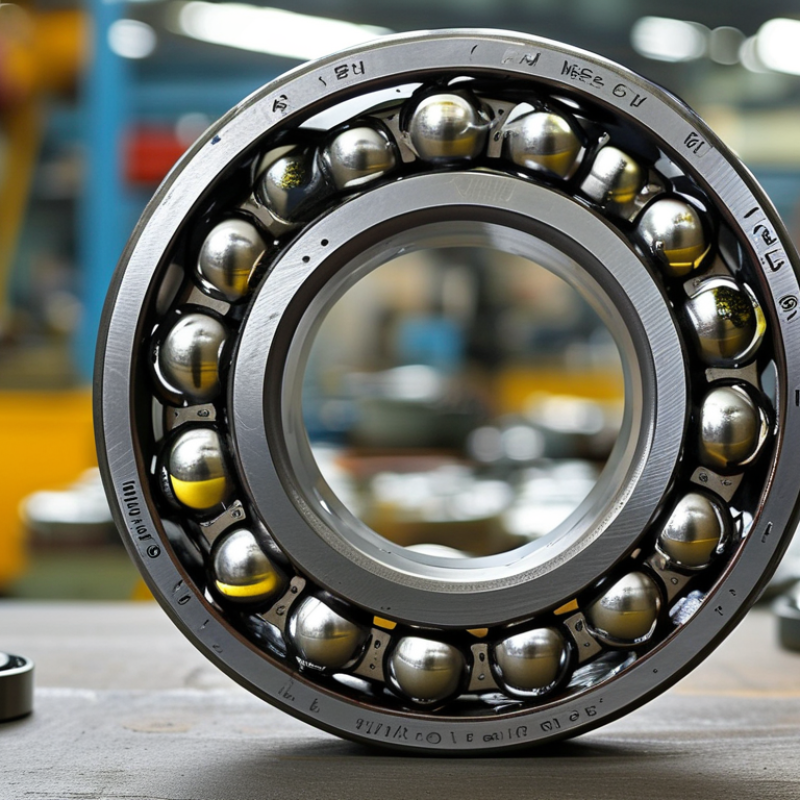
Understanding V Groove Ball Bearings: Key Features and Specifications
V Groove ball bearings are essential components in various industrial applications. Their design allows for smooth movement along V-shaped tracks. This unique feature is critical in machinery that requires precise linear motion. These bearings support lateral and radial loads effectively. Industries often use them in conveyor systems, gates, and other automated equipment.
Key features of V Groove ball bearings include material quality and precision manufacturing. Typically, they are made from high-grade steel or stainless steel, ensuring durability. Smooth inner and outer races allow for reduced friction during operation. Additionally, low noise levels and minimal maintenance requirements make them a reliable choice. However, not every V Groove bearing is created equal. Users must consider load ratings and environmental factors when selecting a bearing.
Accuracy in dimensions is crucial for optimal functioning. An ill-fitting bearing may lead to premature wear or even system failure. Understanding the specifications aids in making informed decisions. Regular checks can also prolong their lifespan. It’s important to reflect on the specific needs of your machinery before making a choice. Proper installation and alignment can significantly impact performance, highlighting the need for attention to detail.
Top 10 V Groove Ball Bearings: Performance Metrics and Applications
When it comes to industrial applications, V groove ball bearings play a crucial role. These components are essential for systems that require smooth, reliable movement. Their unique design allows for precise tracking along rails or grooves. This functionality is vital in conveyor systems, automated machinery, and even in applications like 3D printers.
Performance metrics for V groove ball bearings include load capacity, speed ratings, and durability. Selecting the right bearing depends on factors such as operating conditions and specific application requirements. High load capacity bearings may excel in heavy machinery, but they might be overkill in lighter systems. Similarly, some bearings are designed for high-speed operations, while others prioritize long-lasting performance under heavy stress. It’s important to evaluate these metrics thoughtfully to ensure optimal results.
While V groove bearings offer significant advantages, there can be challenges. Environmental factors, such as dust and moisture, may affect their lifespan. Regular maintenance is necessary to prevent premature failure. Likewise, improper installation can lead to misalignment, causing operational issues. By understanding these factors, engineers can better select and maintain V groove ball bearings for diverse industrial needs.
Material Composition: Assessing Durability and Load Capacity of Bearings
When selecting V groove ball bearings for industrial applications, material composition plays a pivotal role. The durability of bearings hinges largely on the materials used. Bearings manufactured from high-quality stainless steel often provide better corrosion resistance. This is crucial in environments exposed to moisture and abrasive materials. Steel grades like 440C are frequently mentioned in industry reports for their exceptional strength and toughness. According to a study by the American Society for Testing and Materials, these materials can endure significant loads while maintaining integrity.
Load capacity is equally critical. Reports show that precision-engineered bearings exhibit higher load-bearing capacities. For instance, ceramic hybrid bearings combine ceramic balls with steel rings, offering drastically increased load limits and reduced friction. This can extend operational life and enhance performance, especially under heavy machinery conditions. However, it's important to recognize that not all applications require the highest load capacity. Misalignment or improper installation can quickly lead to premature failure, regardless of the bearing's quality. This highlights the necessity for thorough assessment and correct usage in determining the right bearing for specific industrial needs.
Industry Standards: ISO and ANSI Norms for V Groove Ball Bearings
When selecting V groove ball bearings, it is essential to consider industry standards. ISO (International Organization for Standardization) and ANSI (American National Standards Institute) provide guidelines ensuring quality and reliability. These standards cover dimensions, performance, and materials used in manufacturing.
Compliance with ISO and ANSI norms ensures that bearings meet specific operational requirements. This includes load capacity and service life. Bearings that adhere to these standards often have better durability. However, not all manufacturers follow these guidelines strictly. It is crucial to research and verify the compliance of products before making a purchase.
Selecting V groove ball bearings that meet these standards improves overall machinery efficiency. It can drive better performance in industrial applications. Flaws in bearing quality can lead to failures. Regular assessment of suppliers and their adherence to the necessary standards promotes reliability and safety in operational contexts.
Top 10 V Groove Ball Bearings for Your Industrial Needs
| Model |
Diameter (mm) |
Load Capacity (N) |
Material |
ISO Standard |
ANSI Standard |
| VGB-01 |
20 |
1500 |
Steel |
ISO 15 |
ANSI B3 |
| VGB-02 |
25 |
2000 |
Stainless Steel |
ISO 21 |
ANSI B4 |
| VGB-03 |
30 |
2500 |
Plastic |
ISO 25 |
ANSI B5 |
| VGB-04 |
35 |
3000 |
Aluminum |
ISO 30 |
ANSI B6 |
| VGB-05 |
40 |
3600 |
Composite |
ISO 35 |
ANSI B7 |
| VGB-06 |
45 |
4000 |
Titanium |
ISO 40 |
ANSI B8 |
| VGB-07 |
50 |
4500 |
Bronze |
ISO 45 |
ANSI B9 |
| VGB-08 |
55 |
5000 |
Copper |
ISO 50 |
ANSI B10 |
| VGB-09 |
60 |
5500 |
Nickel Alloy |
ISO 55 |
ANSI B11 |
| VGB-10 |
65 |
6000 |
Carbon Steel |
ISO 60 |
ANSI B12 |
Cost Analysis: Evaluating Value and Return on Investment in Bearings
When considering V groove ball bearings, cost analysis plays a key role in decision-making. Analyzing the initial purchase price versus long-term reliability is essential. Cheaper options may lead to higher maintenance costs in the future. Evaluating how much downtime costs can guide choices toward investing in quality bearings.
It's worth noting that the total cost of ownership transcends the purchase price. Reliability and durability often reduce replacement frequency. Choosing poor-quality bearings might save money initially but often results in failures that can shut down production. Thus, businesses need to measure the real value of the bearings they choose.
Tips: Always assess the warranty and support provided with the bearings. Longevity and support can mean savings over time. Seek knowledgeable suppliers who can offer insight into your specific industrial needs. Lastly, consider using statistical models to predict potential failures before they happen. This proactive approach enhances operational efficiency and profitability.
Top 10 V Groove Ball Bearings: Cost Analysis and Value Evaluation
This bar chart illustrates the costs of the top 10 V Groove ball bearings, providing a visual comparison to evaluate their value and return on investment in industrial applications.
Conclusion
V Groove Ball Bearings are essential components in various industrial applications, known for their unique design that allows them to run smoothly along V-shaped tracks. Understanding their key features, such as load capacity, durability, and performance metrics, is vital for selecting the right bearing for specific needs. This article delves into the top 10 V Groove Ball Bearings, analyzing their applications based on performance and material composition, which affects their overall lifespan and efficiency.
Furthermore, it highlights industry standards, including ISO and ANSI norms, ensuring that the bearings meet safety and quality benchmarks. A cost analysis is also provided, assessing the value and return on investment associated with these bearings, allowing businesses to make informed decisions when procuring V Groove Ball Bearings for their industrial requirements.

 Jito Bearing