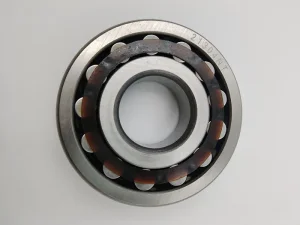
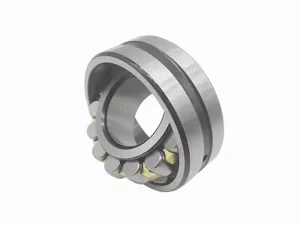
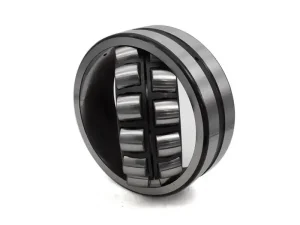
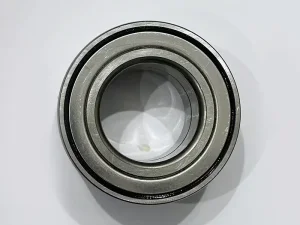
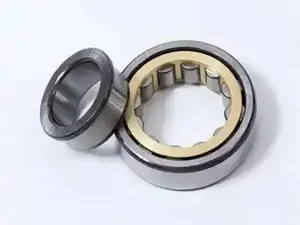
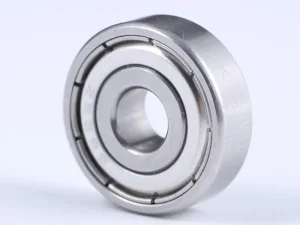
The United States industrial sector remains a cornerstone of global manufacturing, characterized by high-load, high-impact environments ranging from shale oil extraction in Texas to automotive assembly lines in the Midwest. Spherical Roller Bearings (SRBs) are the unsung heroes of this sector. Their ability to accommodate misalignment and manage heavy radial and axial loads makes them indispensable for heavy machinery, gearboxes, and mining equipment.
Supply Chain Resilience: Recent macroeconomic shifts have driven US procurement officers to re-evaluate their supply chains. The search for "Spherical Roller Bearing Companies & Quotes" now prioritizes not just price, but *reliability, lead time, and E-E-A-T (Expertise, Experience, Authoritativeness, Trustworthiness)* in manufacturing. US firms are increasingly partnering with specialized manufacturers who offer verified quality systems, such as ISO9001 and IATF 16949, to mitigate the risks of downtime.
China has solidified its position as a global manufacturing hub, particularly in the bearing industry. High-tech enterprises like JITO are setting new benchmarks:
The industry is moving toward "Intelligent Bearings." US companies are demanding bearings that interface better with predictive maintenance sensors. Manufacturers now provide technical support that goes beyond the physical hardware, offering data-driven insights into load capacity and fatigue life, essentially shifting from "part suppliers" to "reliability partners."
Q: Why choose spherical roller bearings for high-impact loads?
A: Their self-aligning nature allows them to handle shaft deflection, which is critical in heavy machinery prone to vibration and deformation.
Q: How can US buyers verify the quality of a Chinese manufacturer?
A: Look for IATF 16949 certification, third-party audit reports, and a history of successful OEM partnerships. E-E-A-T guidelines suggest checking for transparent technical documentation.
Q: What is the typical lead time for custom bearing production?
A: Depends on volume and specification, but modern logistics and integrated manufacturing (like JITO’s processes) allow for efficient production cycles typically ranging from 30-60 days.
 Jito Bearing