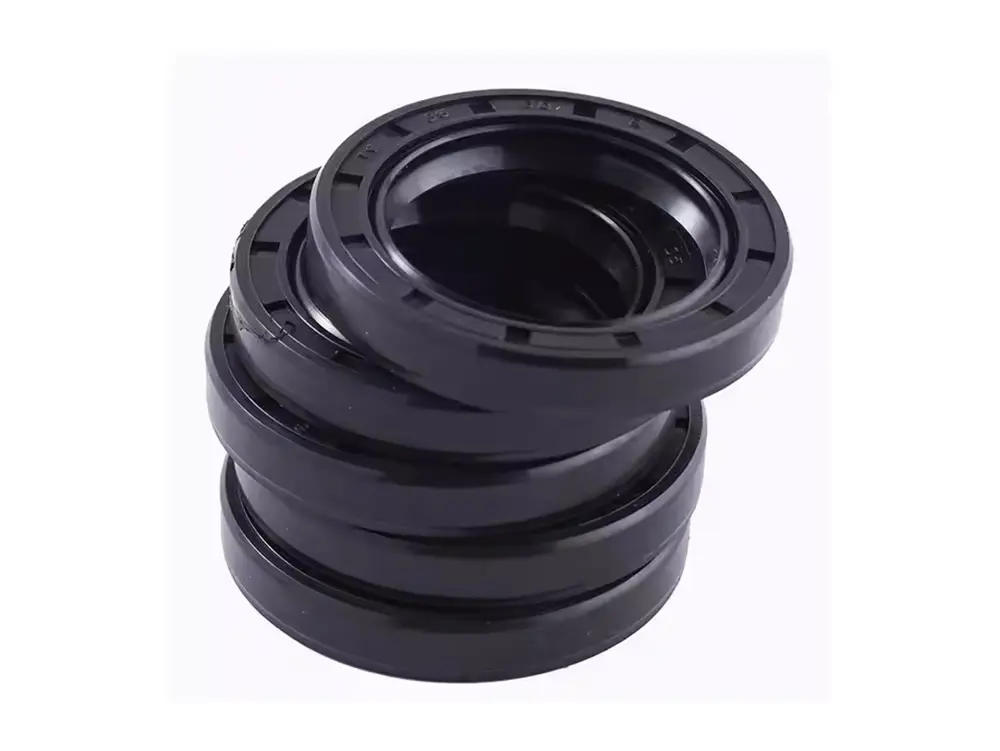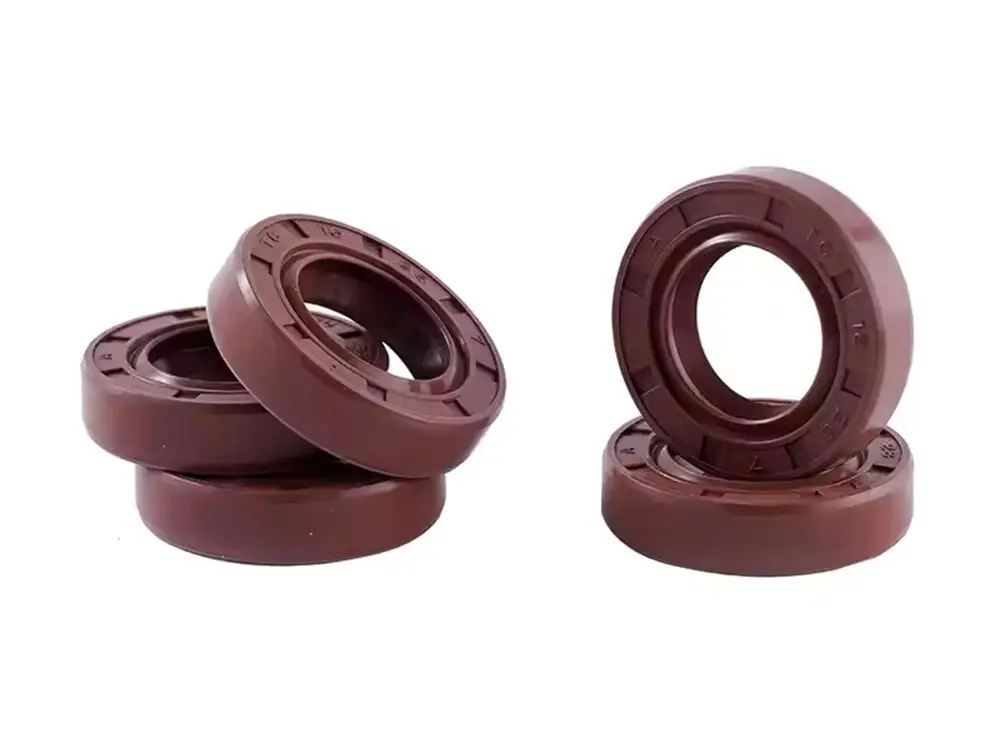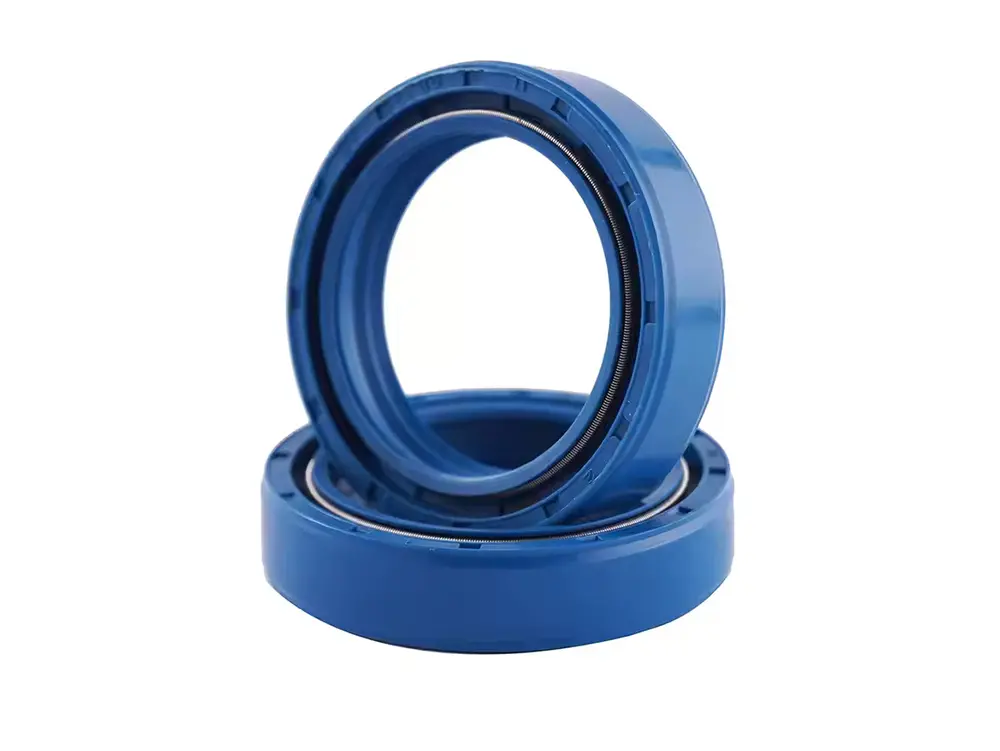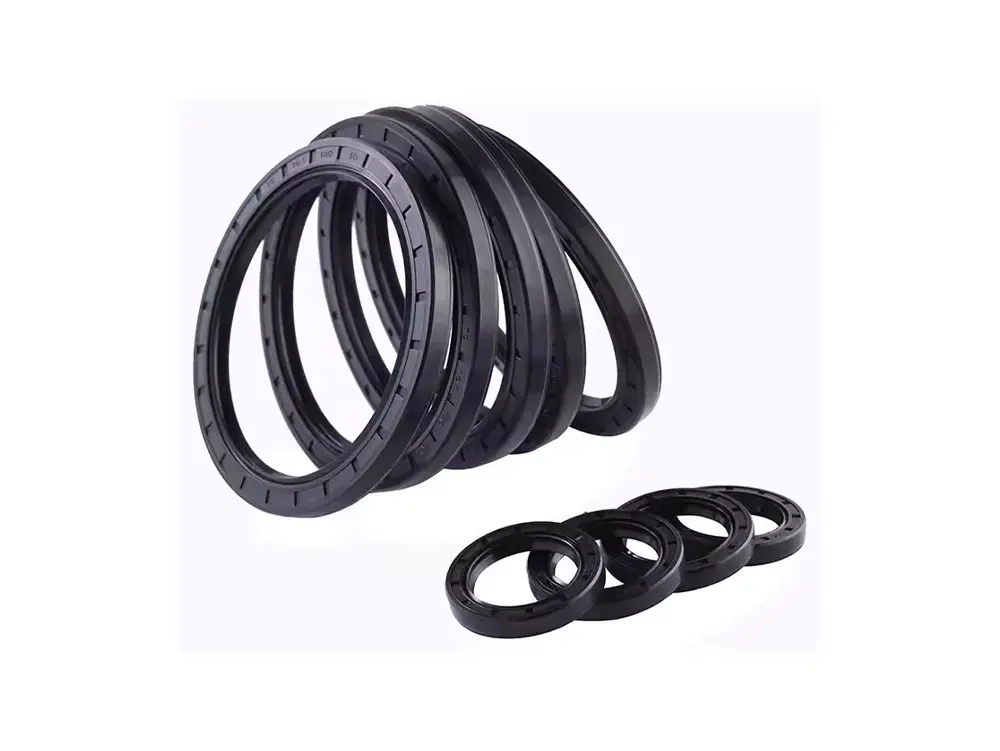
High-Quality Industrial Machinery Oil seal Any Color Customizable TC NBR/FKM Factories, Exporter

Material parameters:

O-ring materials usually include nitrile rubber, fluororubber, EPDM rubber, natural rubber, etc. O-rings of different materials have different physical properties and chemical stability, and are suitable for different working environments. For example, nitrile rubber has good oil resistance, fluororubber has high temperature resistance and strong chemical corrosion resistance, and EPDM rubber has excellent aging resistance and ozone resistance.

Product Description

Product Parameters

Material Hardness Temperature Property
SIL/VMQ50A-60°C - 250°CHigh and low temp resistant, FDA food grade
NBR70A (40A-90A)-40°C - 120°COil and wear resistant
FKM/VITON70A (50A-90A)-40°C - 240°CHigh temp, oil & chemical resistant
EPDM70A (40A-90A)-40°C - 150°CAcid/Alkali, Steam, Aging & Ozone resistant
HNBR70A (40A-90A)-40°C - 120°CWear/Oil/Refrigerant resistant
CR70A (40A-90A)-40°C - 120°COzone, weather & aging resistant
FVMQ70A (45A-70A)-60°C - 177°C (232°C dry)Oil, Acid/Alkali, Heat & Cold resistant
FFKM70A (50A-90A)~250°C (Up to 330°C)Chemical & Corrosion resistant, Excellent performance
PU70A (60A-90A)-40°C - 90°CWear, high pressure & hydrolysis resistant

Brief Introduction

Oil seal is a common name for general seals, used to seal lubricating oil and isolate parts that need lubrication from output parts to prevent leakage. These are essential mechanical components for both static and dynamic sealing applications.

Model numberStandard Oil Seal
Standard or NonstandardStandard/Customized
ColourAny color is OK
Material TypeNBR,EPDM,SILICONE,FKM,SBR,NR,etc.
Sizefrom 4mm to 1000mm size
Hardness Range20-90 Shore A
ApplicationFor all industries
OEM/ODMAvailable

Seal Ring Category

V-ring: Axially acting elastic rubber sealing ring for rotating shafts.
U-ring: Commonly used for reciprocating seals in hydraulic systems.
O-rings: Mainly used for static sealing and reciprocating motion.
Rectangular sealing ring: Installed in a rectangular groove for sealing.
Y-type sealing ring: Widely used in reciprocating sealing devices.
Z-Spring tension seal: Includes a spring in PTFE for wide temp/media range.
YX type sealing ring: Used for piston and piston rod sealing in cylinders.

Parameters & Media

Dimensional parameters: Inner diameter and cross-section diameter (wire diameter) are critical for groove matching and sealing stability.

Performance parameters:

Working pressure: Generally 0-300MPa.
Working temperature: Varies by material (e.g., Nitrile -25°C~150°C, Fluororubber -20°C~250°C).
Working speed: Generally ≤15m/s in dynamic applications.

Applicable media: Hydraulic oil, gas, water, mud, crude oil, emulsion, water-ethylene glycol, acids, etc.
FAQ

1. What is the primary purpose of an oil seal?
Oil seals are mechanical components used to seal lubricating oil and isolate parts to prevent leakage in transmission systems.
2. Which materials are best for high-temperature environments?
FFKM and FKM/Viton offer excellent high-temperature resistance, with FFKM capable of withstanding up to 330°C.
3. Can you customize the hardness of the rubber seals?
Yes, most of our materials, such as NBR, EPDM, and FKM, support customizable hardness ranges, typically between 40A and 90A.
4. What are the key parameters to consider for O-rings?
Key parameters include the inner diameter, cross-section diameter (wire diameter), groove size, working pressure, temperature, and movement speed.
5. Are your oil seals suitable for food-grade applications?
Yes, materials like SIL/VMQ and EPDM are commonly used in food-grade applications meeting FDA standards.

Related Products