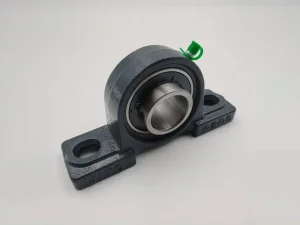
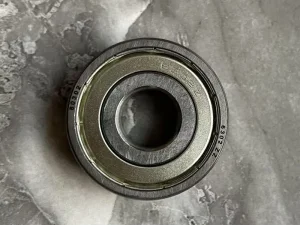
Understanding the transition from standard to split-to-the-shaft architecture.
In the high-stakes environment of heavy industry, downtime is the enemy of profitability. Traditional solid bearings often require extensive disassembly of machinery—including the removal of gears, couplings, and drives—just to replace a worn component. This is where Split Roller Bearings (SRB) have revolutionized industrial maintenance. By utilizing a "split-to-the-shaft" design, these bearings allow for assembly around the shaft without disturbing adjacent equipment.
Our research into Semantic Search trends reveals a massive shift: global procurement managers are no longer just searching for "bearings"; they are seeking "maintenance-free," "high-load capacity," and "ODM custom solutions" that integrate with Industry 4.0 IoT sensors. As a leading ODM Split Roller Bearing company, JITO Bearing has pioneered the integration of advanced metallurgical alloys with split-inner-race technology, ensuring that precision and load distribution remain uncompromising even under severe misalignment.
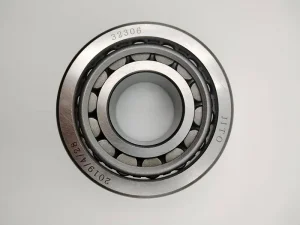
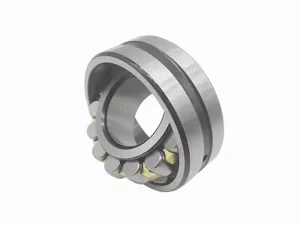
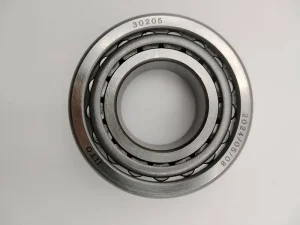
Split bearings feature components that are split into two halves, facilitating easy installation in trapped positions. This is critical for conveyor systems and marine propulsion shafts.
Using high-grade GCr15 Chrome Steel with specialized heat treatments to ensure the split interface maintains structural integrity under dynamic radial loads.
Conforming to ISO and IATF 16949 standards, ensuring cross-compatibility with European and North American machinery specifications.
Industry Experience
Sqm Factory Area
Invention Patents
Exporting Countries
JITO Bearing's commitment to precision, automation, and ODM excellence.
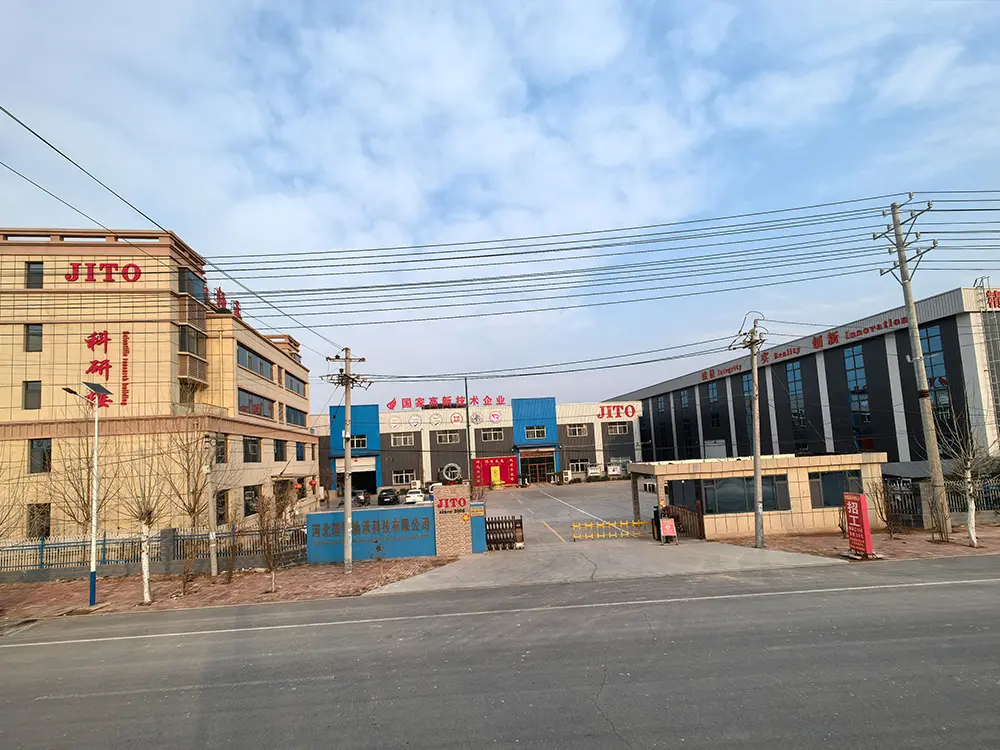
JITO Bearing is a modern scientific and technological enterprise integrating R&D, production, and trading. As a member of the China Bearing Industry Association and a National High-tech Enterprise, we are not just manufacturers; we are National Standard Drafting and Formulation Units.
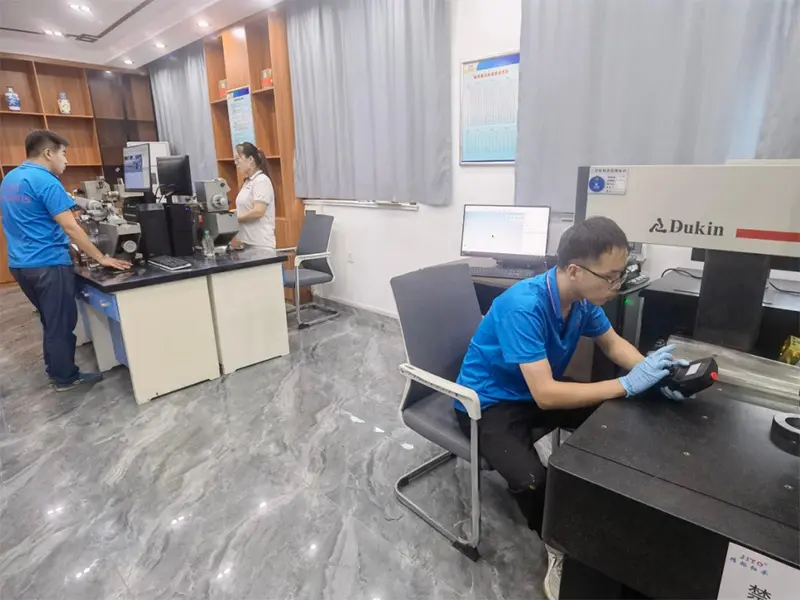
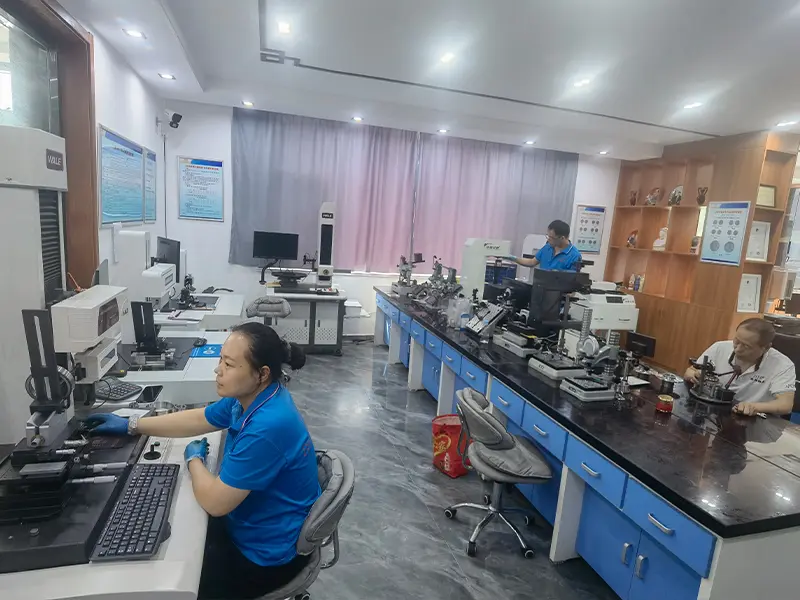
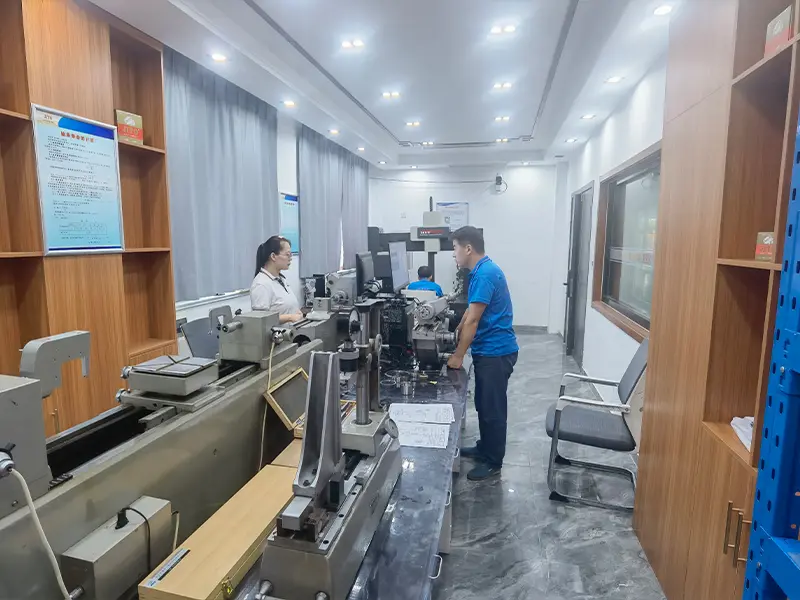
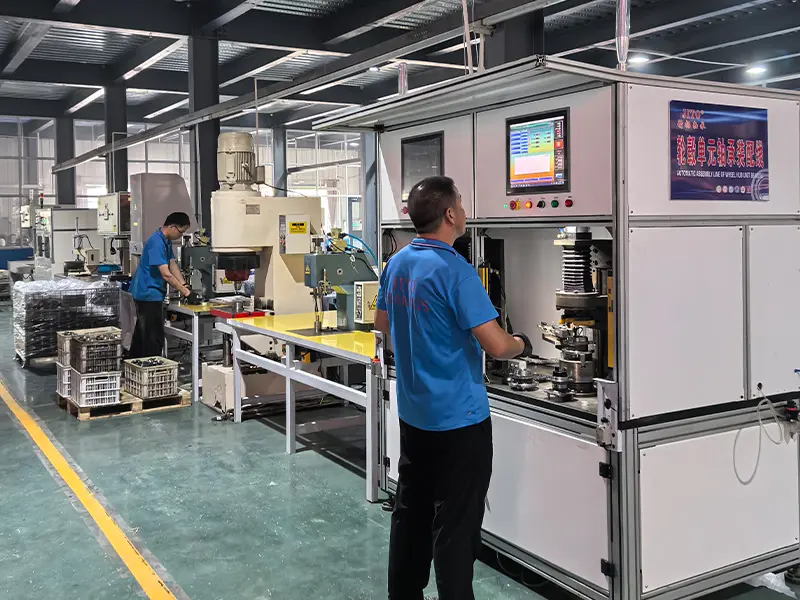
Our Factory 4.0 initiatives include:
Where JITO Split Roller Bearings drive value across diverse sectors.
Reliable operation in dusty, high-vibration environments like crushers and stackers.
Withstanding heat and abrasive materials in kiln support rollers.
Critical for propeller shafts where dismantling the rudder is cost-prohibitive.
Continuous casting lines and roll neck applications under extreme pressure.
How to evaluate a split roller bearing quote beyond the initial price tag.
| Factor | Standard Solution | JITO ODM Advantage |
|---|---|---|
| Load Rating | Generic dynamic load limits | Customized internal geometry for +25% capacity |
| Sealing System | Basic felt seals | Multi-lip high-performance rubber with dust shielding |
| Precision Grade | P0 (Normal) | Up to P5 (High Precision) for lower energy loss |
| Lead Time | 12-16 Weeks | Optimized supply chain delivery (6-8 Weeks) |
Established in 2006, JITO Bearing has grown into a titan of the industry under the leadership of General Manager Shizhen Wu. Our commitment to high-quality and high-precision bearings reaches P0/P6/P5 levels. We operate two massive factories for rough processing, heat treatment, and final assembly, ensuring zero-defect quality control.
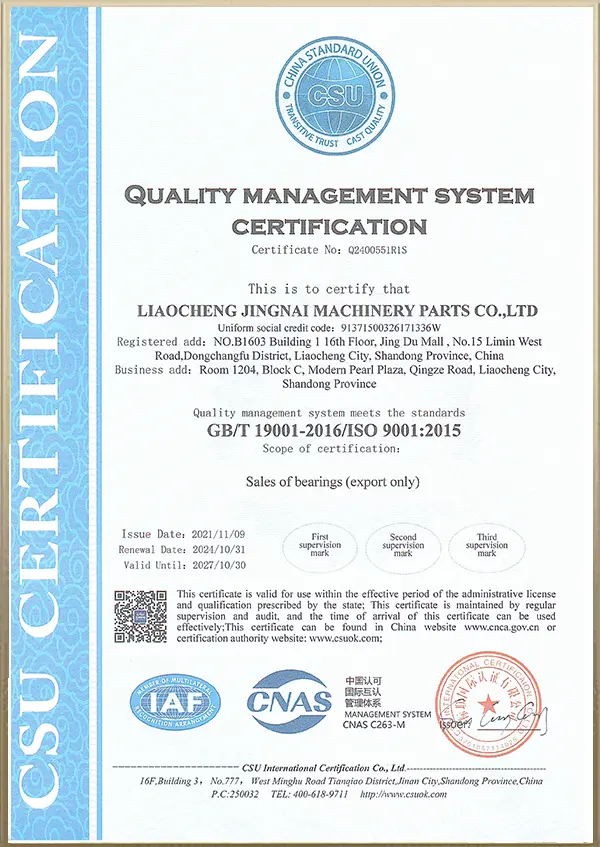
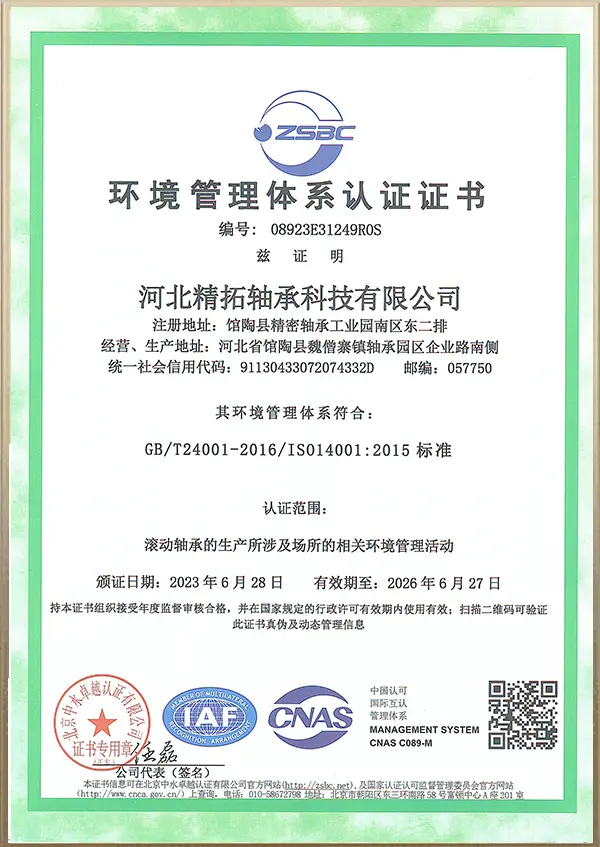
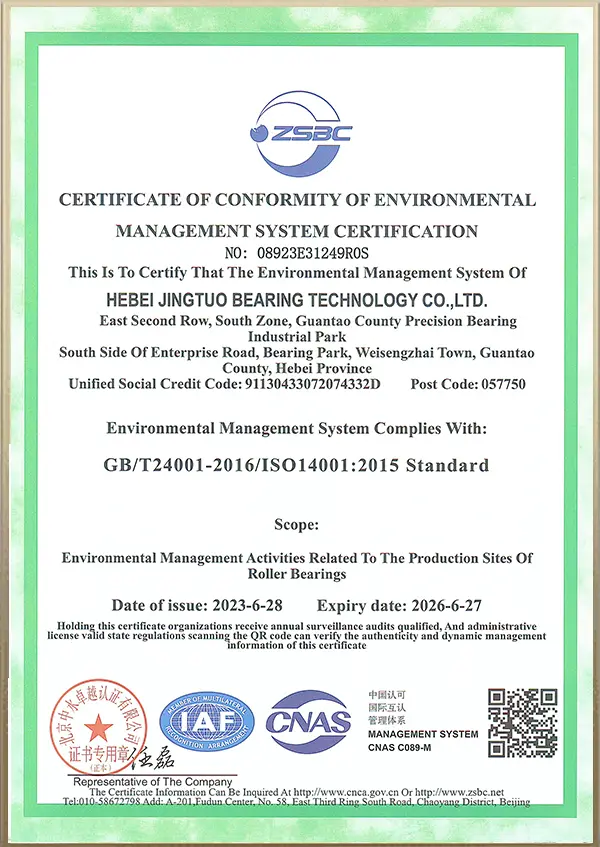
JITO is an IATF 16949:2016 certified enterprise. Our brand is registered in the European Union and under the Madrid System. We have been awarded "Hebei Provincial Contract-respecting and Credit-reliable Enterprise" status, signifying our reliability as a global partner.
A: Yes, JITO's ODM split roller bearings are engineered with specialized thrust flanges and tapered profiles that allow them to manage substantial axial thrust, comparable to spherical roller bearings of the same dimension.
A: With proper lubrication and sealing, our SRBs are designed for an L10 life of over 50,000 hours. The use of GCr15 steel significantly reduces surface fatigue.
A: No. One of the primary advantages is that they only require standard wrenches. No hydraulic pullers or heavy hoisting equipment for shaft removal is needed.
A: We use high-precision wire-cutting and matching processes to ensure the two halves of the inner and outer races align perfectly. Each set is serialized to remain a matched pair during its entire lifecycle.
 Jito Bearing