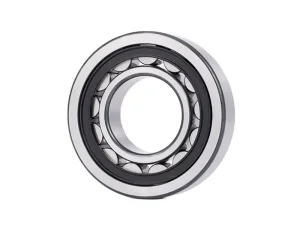
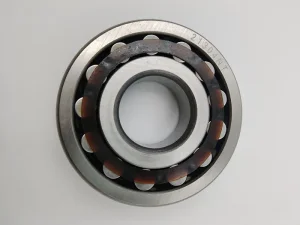
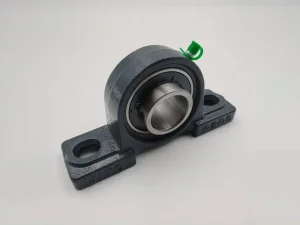
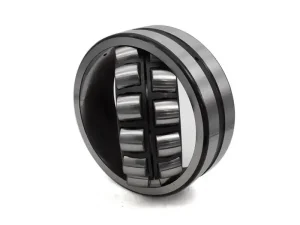
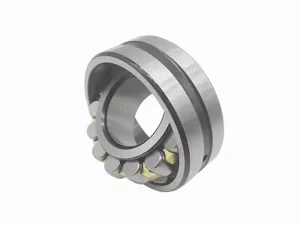
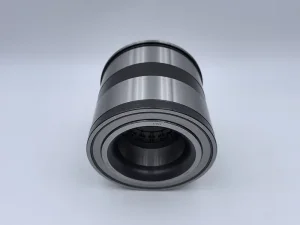
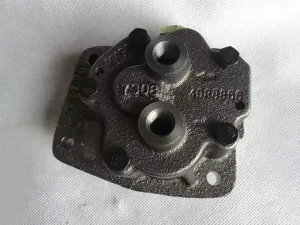
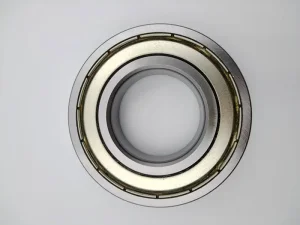
Wheel bearing failure is rarely a singular event; it is often the culmination of metallurgical fatigue, improper lubrication, or environmental contamination. For OEMs and procurement managers, understanding the root cause is critical to preventing downtime. At JITO Bearing, our research identifies the primary culprits behind wheel bearing failure: spalling, false brinelling, and sealing degradation.
By leveraging advanced material science (GCr15 high-carbon chromium steel) and precise heat treatment processes, we mitigate these risks, ensuring our products exceed industry standards for fatigue resistance and load capacity.
The global bearing market is shifting towards "Smart Procurement." Companies are no longer just buying parts; they are acquiring technical support and supply chain resilience. Trends show a move towards:
JITO acts as both a manufacturer and a technical partner, offering OEM-grade consistency across diverse industries—from mining and agriculture to automotive heavy-duty trucks.
Our commitment to quality is backed by our rigorous quality control infrastructure. From raw material forging to the final cleaning and packaging, we adhere to ISO9001:2015 and IATF/16949:2016 certifications. Our future roadmap focuses on:
Our goal is to bridge the gap between high-precision requirements and scalable production, ensuring that even under extreme load conditions, our bearings demonstrate superior durability and noise control (Z1V1 to Z3V3).
Symptoms include growling or humming noises increasing with speed, ABS warning lights, and uneven tire wear. If detected early, replacing the bearing prevents catastrophic hub separation.
Through "Full Process Control"—integrating self-inspection, on-site spot checks, and advanced metallurgical testing instruments to achieve zero-defect delivery.
Yes. As a National High-Tech Enterprise, we specialize in customizing dimensions, seals, and lubrication types for unique engineering vehicle and mining requirements.
 Jito Bearing