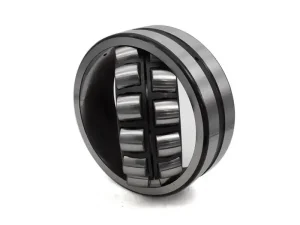
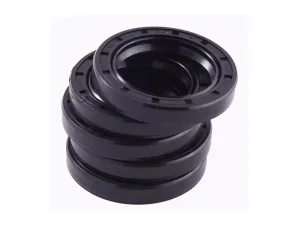
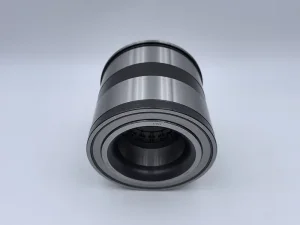
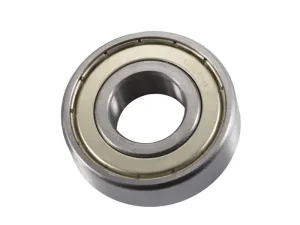
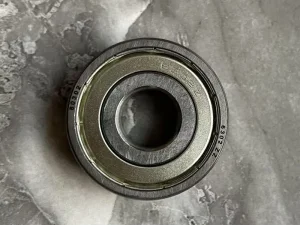
Heavy-duty cylindrical roller and self-aligning solutions engineered for Paraguay's agricultural, energy, and transportation sectors.
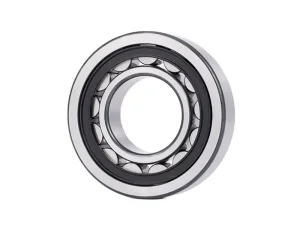
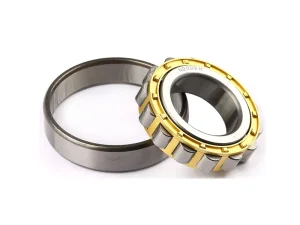
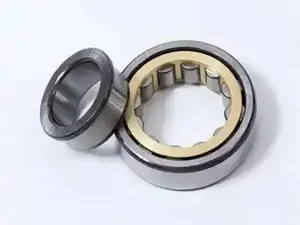
An in-depth analysis of high-load transmission interfaces, structural dynamics, and the specific operational requirements within the Republic of Paraguay.
Cylindrical roller bearings represent a cornerstone of rotary machinery design, engineered specifically to handle massive radial loads while maintaining high operational speeds. Unlike deep groove ball bearings that exhibit point contact under load, cylindrical roller bearings feature linear contact. This geometric configuration distributes forces over a larger surface area, preventing localized stress concentration, mitigating structural deformation, and significantly extending the service life of rotating shafts. Globally, they are the preferred choice for electric motors, heavy industrial gearboxes, metal processing mills, agricultural harvesters, and power generation turbines.
Paraguay's economic engine is undergoing structural shifts, driven by agricultural modernization, large-scale infrastructural development, and its position as one of the world's leading exporters of clean hydroelectric energy. High-precision cylindrical roller bearings play an indispensable role in maintaining the integrity of this infrastructure. From the massive turbines of the Itaipú and Yacyretá Hydroelectric Dams to the agricultural heartlands of Alto Paraná and Itapúa, rotating equipment must operate under challenging environments marked by high humidity, fluctuating ambient temperatures, and continuous heavy-duty cycles.
The agricultural sector, particularly soy, corn, and sugarcane processing, requires heavy machinery like tractors, combine harvesters, and processing mills to run continuously during harvest seasons. Any bearing failure leads to costly operational downtime. Similarly, the river transport sector—crucial for landlocked Paraguay's access to international markets via the Paraguay-Paraná Waterway—relies heavily on robust marine gearboxes and auxiliary systems where cylindrical roller bearings must withstand both vibration and corrosive environments.
At JITO Bearing, our engineering roadmap focuses on three main parameters: material purity, surface topology, and internal design configuration. We strictly utilize vacuum-degassed GCr15 Chrome Steel (SAE 52100 equivalent) as our default raw material. By controlling the oxygen content to less than 5 ppm, we minimize non-metallic inclusions, which are the primary catalysts for subsurface rolling contact fatigue.
Our rollers feature a modified logarithmic profile rather than a straight cylindrical profile. This advanced engineering design slightly reduces the diameter towards the roller ends, eliminating edge stress peaks at the roller-raceway contacts. As a result, JITO bearings can withstand slight angular misalignments without suffering premature failure or load capacity degradation.
We supply bearings in various configurations (NU, NJ, NUP, N, and NF) to suit different radial and axial constraint requirements. For example, our NJ series features double flanges on the outer ring and a single flange on the inner ring, allowing the bearing to accommodate unidirectional axial displacement while supporting dominant radial loads.
Choosing the correct cage type is vital for the extreme operating temperatures found in Paraguay (varying from freezing winter nights in the Chaco region to 40°C+ summer afternoons). The table below outlines JITO’s standardized cage specifications:
| Cage Code | Material Composition | Temp Range | Recommended Local Applications |
|---|---|---|---|
| W (Stamping) | Low Carbon Pressed Steel | -40°C to +120°C | Standard agricultural gearboxes, automotive wheel hubs. |
| M (Machined) | High-Tensile Brass (H59 / H62) | -50°C to +150°C | Hydroelectric turbine generators, heavy mining vibrating screens. |
| TVP / TN (Polyamide) | Glass-fiber reinforced PA66 | -30°C to +110°C | High-speed electric motors, precision machinery, low-noise units. |
A specialized, refined, and innovative national High-Tech enterprise, manufacturing high-precision bearings for the global market.
JITO maintains two distinct manufacturing plants to guarantee optimal quality: the Rough Processing & Heat Treatment Factory and the Finishing Processing, Assembly & Storage Factory. Our heat treatment process ensures zero structural distortion and consistent hardness across the inner ring, outer ring, and rolling elements, achieving P5/P6 precision grades.
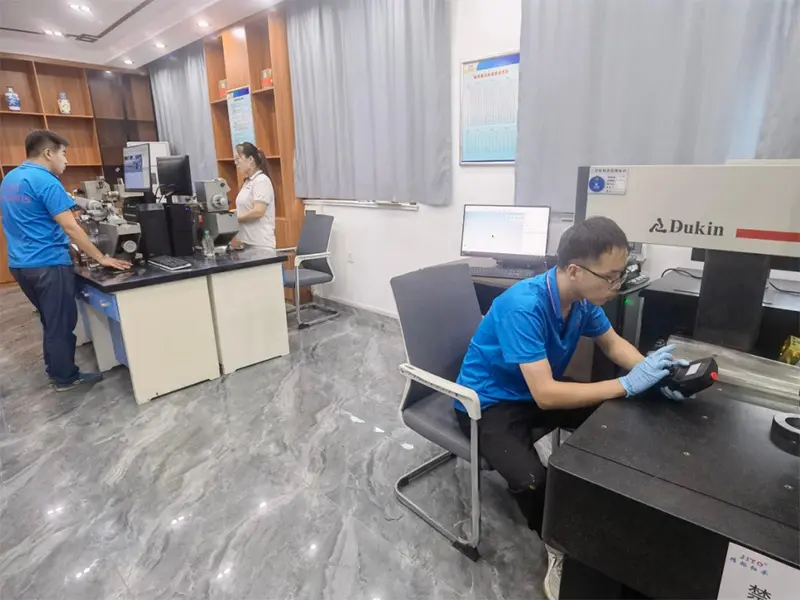
To eliminate defects and achieve a target of zero-defect production, JITO houses modern testing machinery including: 3D coordinates, length measuring systems, spectrometers, profilers, roundness meters, vibration and noise meters, hardness testers, metallographic analyzers, and dedicated bearing fatigue life testing rigs.
How JITO guarantees cost efficiency, raw material security, and optimized transit schedules to South American ports.
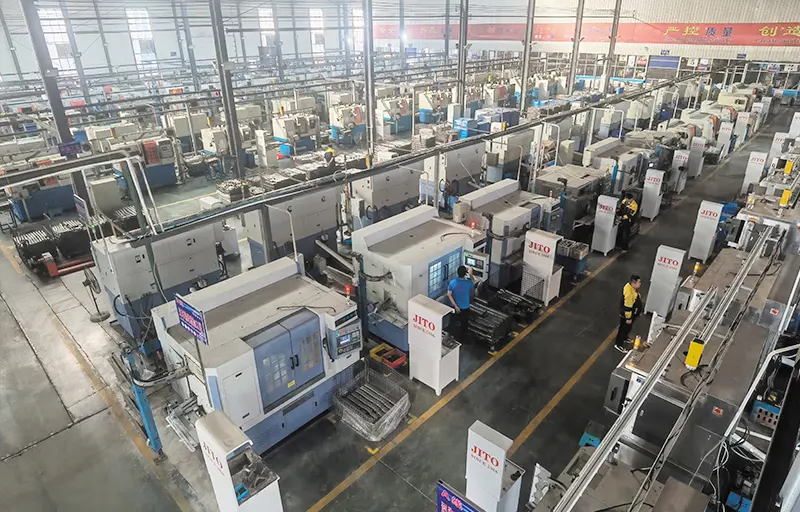
In a volatile global economy, supply chain disruptions can paralyze operations. JITO secures raw steel through direct, long-term partnerships with leading domestic steel plants, shielding our clients from steel price volatility. By vertically integrating forging, turning, heat treating, grinding, and assembly within our two Hebei factories, we control lead times and maintain quality standards throughout the process.
Shipping to landlocked countries in South America requires expertise. JITO manages efficient freight forwarding routes to Paraguay. We utilize major shipping channels via Puerto Villeta, Puerto Fénix (Asunción), or Ciudad del Este via multimodal options through Montevideo (Uruguay) or Paranaguá (Brazil). Each batch is packed in robust, moisture-resistant packaging with anti-rust coatings, ensuring your bearings arrive in pristine condition and are ready for immediate installation.
Engineered to international standards, JITO bearings meet strict industrial regulations, ensuring interchangeability and performance.
Certified Quality Management System ensuring automotive-grade manufacturing processes, repeatability, and minimal variation.
Strict design, development, production, and service standards are applied across all cylindrical roller bearing catalog options.
Designed with standard metric tolerances, facilitating direct interchangeability with premium European or Japanese bearing brands.
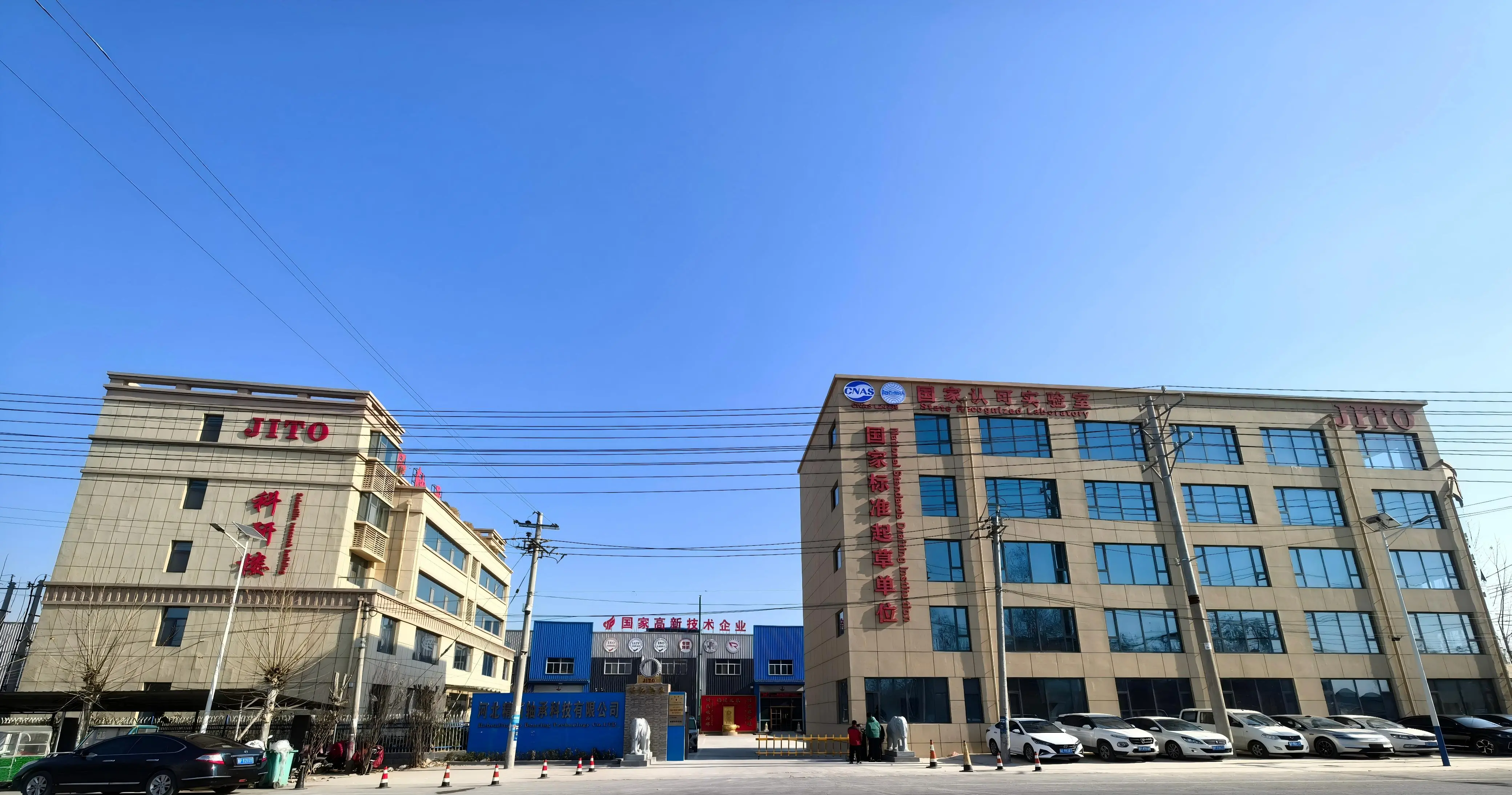
JITO is not merely a manufacturer; we are a National Standard Drafting and Formulation Unit in China, active in Hebei and China Bearing Industry Associations. This position enables us to stay ahead of engineering trends, ensuring our cylindrical roller bearings incorporate the latest design adjustments, metallurgical improvements, and tolerance controls.
Answers to technical queries regarding installation, radial loads, and local operational issues in South American industries.
Deep groove ball bearings have point contact, which makes them suitable for moderate radial and axial loads at high speeds. Cylindrical roller bearings feature linear contact, enabling them to support significantly higher radial loads within the same dimensional envelope. However, they are sensitive to misalignment and are generally not designed for heavy axial loads unless configured with specific flange designs (e.g., NJ or NUP types).
For agricultural machinery like harvesters, tractors, and processing mills that operate in high temperatures and heavy-load settings, standard clearance (CN) might lead to radial tightness as components expand under heat. We recommend C3 radial internal clearance. C3 provides additional internal clearance, accommodating thermal expansion without causing premature bearing seizure.
Due to the ocean voyage to South American entry ports (via Uruguay/Argentina or direct Brazilian overland corridors) and Paraguay's high ambient humidity, all bearings are treated with high-grade anti-rust oils. They are then wrapped in moisture-barrier plastic sheets, packed in individual heavy-duty JITO boxes, and secured in strong, sealed export wooden cases to prevent moisture ingress and mechanical damage during shipping.
For standard catalog bearings (e.g., standard NJ, NU series), we keep stock reserves, allowing for low MOQs. For customized sizes or special metallurgical profiles, the MOQ depends on the raw material batch sizes. Standard production lead times are typically 25 to 35 days, while ocean transit to South American inland ports averages around 40 to 45 days.
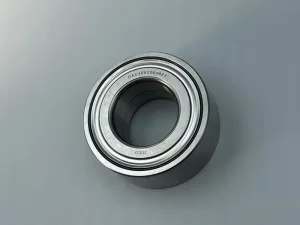
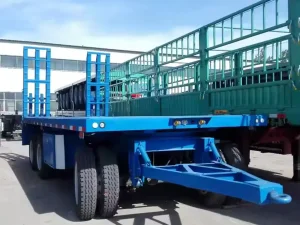
Additional bearings, seals, and vehicle hub components designed to keep your Paraguayan industrial fleet and mechanical drives operating smoothly.
 Jito Bearing