In the realm of modern civil engineering, bridge bearings act as the critical interface between the bridge superstructure and its substructure. As global urbanization accelerates, the demand for sophisticated bearing systems that accommodate thermal expansion, seismic loads, and structural rotation has reached an all-time high. From the high-speed rail networks in Asia to the rehabilitation of aging highway infrastructures in North America and Europe, the bridge bearing market is projected to witness a CAGR of over 5.2% through 2030.
The transition toward "Smart Bridges" has led to the development of bearings embedded with IoT sensors. These sensors provide real-time data on structural health, load distribution, and displacement, allowing for predictive maintenance and enhanced safety.
Manufacturers are moving beyond traditional carbon steel and natural rubber. The use of Ultra-High Molecular Weight Polyethylene (UHMWPE) and specialized Fluoropolymer (PTFE) sliding surfaces is significantly reducing friction coefficients and extending service life to over 50 years.
With "Green Construction" mandates, wholesale suppliers are now audited on the lifecycle carbon impact of their products. Sustainable manufacturing processes in steel forging and eco-friendly vulcanization are becoming key competitive advantages.
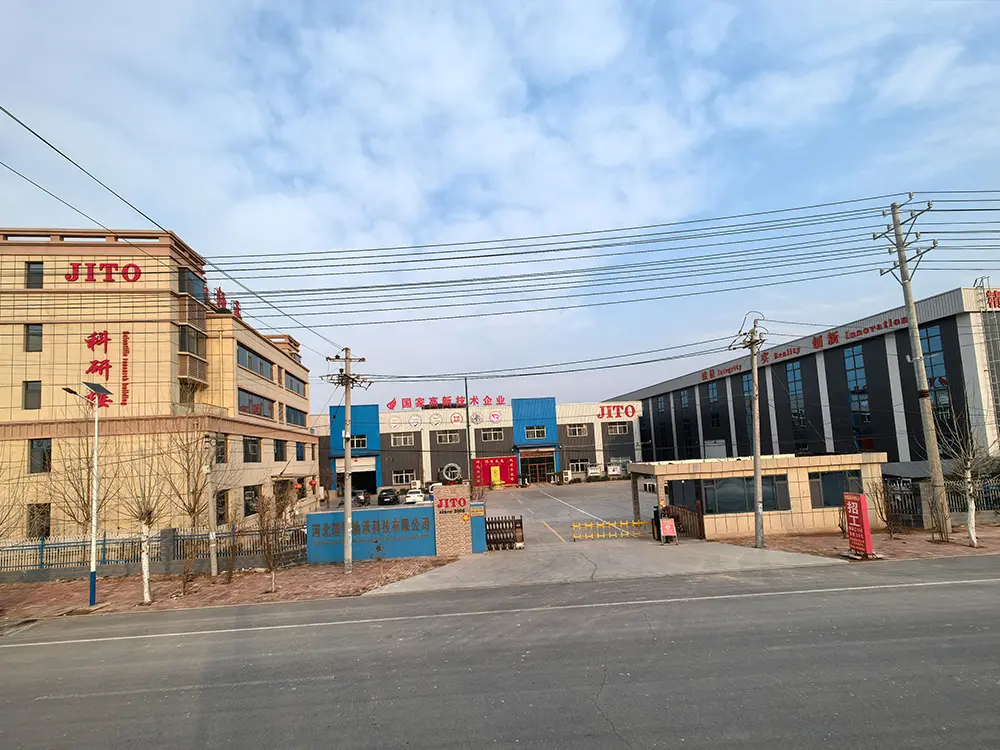
JITO Bearing is a modern scientific and technological enterprise integrating research and development, producing and trading. The company is a member of China Association of Automobile Manufacturers, a national High-tech Enterprise, and a Specialized, Refined, Distinctive and Innovative Enterprise.
Under the leadership of General Manager Shizhen Wu, we have committed to manufacturing high-precision bearings with quality levels reaching P0/P6/P5 and noise levels controlled to Z1V1/Z2V2/Z3V3. Our expertise in high-load industrial bearings naturally extends to the rigorous requirements of bridge and structural engineering.
| Bearing Type | Key Movement Capability | Best Application Scenario | Price Index (Wholesale) |
|---|---|---|---|
| Laminated Elastomeric | Shear deformation (All directions) | Short to medium span highway bridges | Low - Economical |
| Pot Bearings | Large vertical loads, multi-directional rotation | Long span bridges, complex geometry | Medium - Standard |
| Spherical Bearings | High rotation capacity, low sliding resistance | Rail bridges, high-seismic zones | High - Premium |
| Lead Rubber Bearings (LRB) | Energy dissipation (Seismic isolation) | Critical infrastructure in earthquake zones | Premium - Specialty |
1. Phase I (Traditional): Mechanical joints and basic rubber pads. High maintenance requirements.
2. Phase II (Modern): Pot and Spherical bearings with PTFE sliding surfaces. Improved load capacity.
3. Phase III (Current): Seismic isolation and high-damping alloys. Focus on structural longevity.
4. Phase IV (Future): Adaptive "Smart" bearings using Shape Memory Alloys (SMA) and integrated structural health monitoring (SHM).
Requires ultra-low friction and high vertical stiffness. Our spherical bearings ensure smooth transitions and handle the dynamic impact of trains traveling at 350km/h+.
Focus on anti-corrosion. Utilizing stainless steel (SS316) housing and specialized coatings to withstand salt-spray and high humidity.
Compact design for congested spaces. Pot bearings provide the necessary load capacity while fitting into tight pier-head configurations.
A: Pricing is determined by the raw material costs (steel and rubber), the required vertical load capacity (kN), the complexity of movement/rotation, and compliance with international standards like AASHTO or EN 1337.
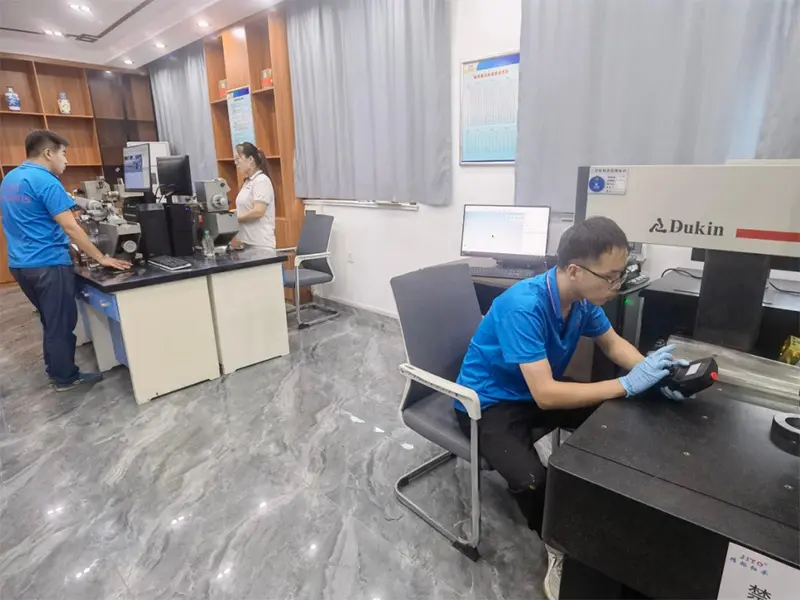
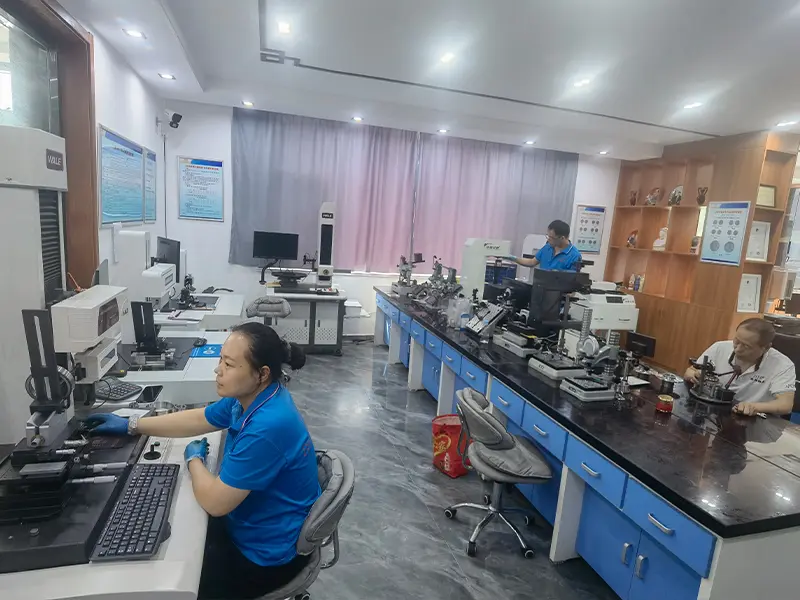
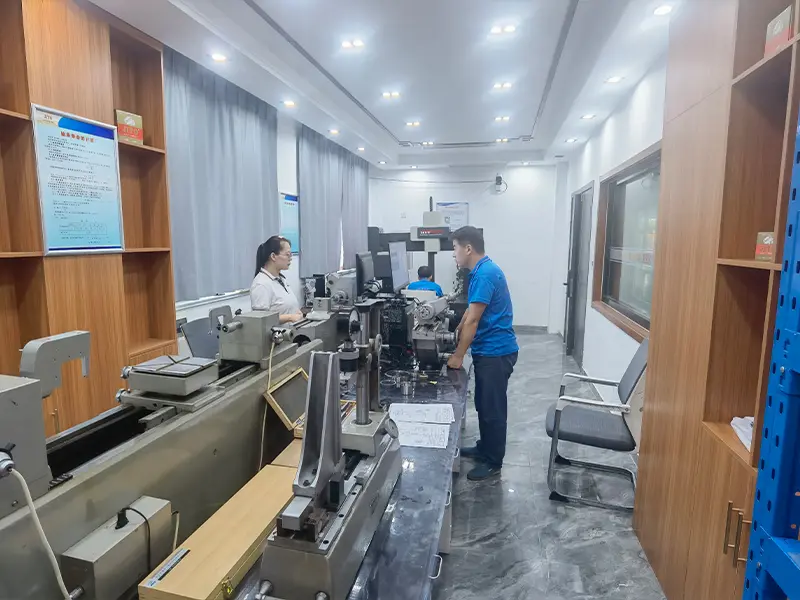
A: We utilize advanced testing instruments including three coordinates, spectrometers, profilers, and metallographic analyzers. Every batch undergoes rigorous fatigue life and simulation testing before shipment.
A: Yes. High-damping rubber bearings and Lead Rubber Bearings (LRB) are specifically engineered to decouple the structure from ground motion, protecting the bridge from catastrophic failure during earthquakes.
A: Standard types can be delivered in 4-6 weeks, while custom-engineered bearings for specialized spans typically require 8-12 weeks depending on the certification requirements.
At JITO, our two specialized factories covering 30,000 square meters are equipped to handle the entire production lifecycle—from raw forging and heat treatment to high-precision assembly. As we look toward 2025, our R&D team is focusing on self-lubricating composites that eliminate the need for maintenance in hard-to-reach structural locations.
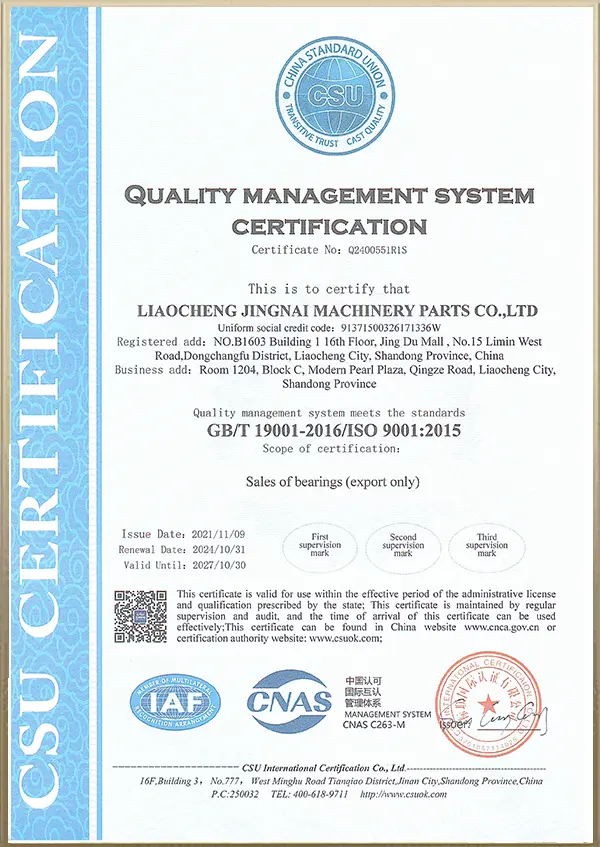
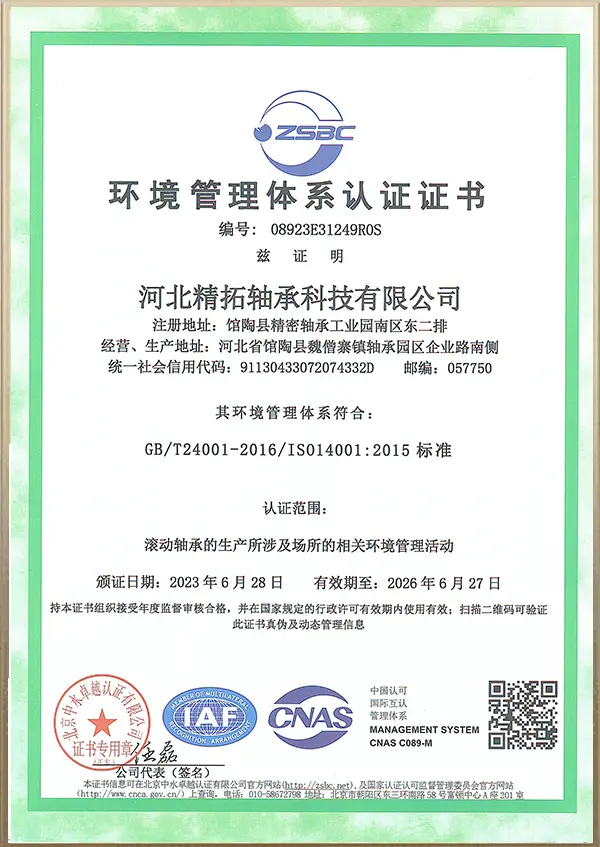
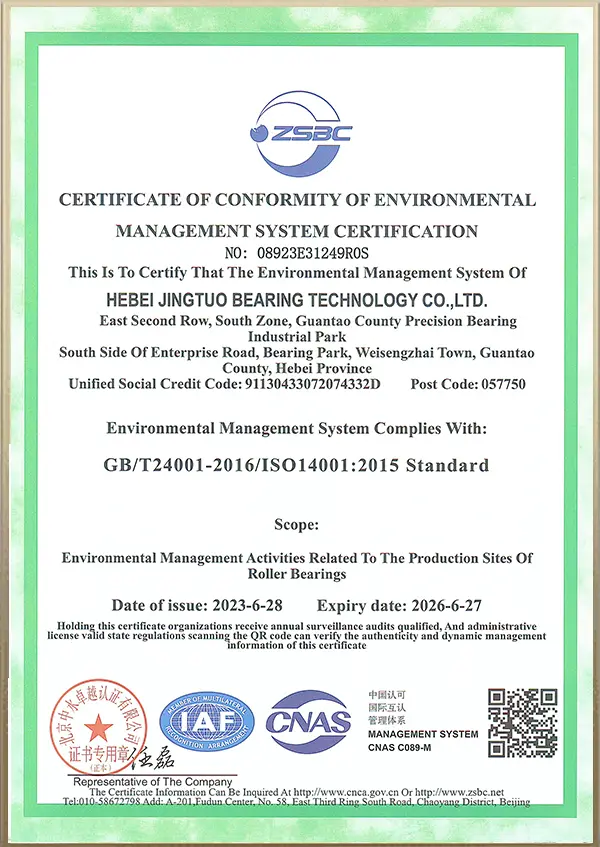
Our commitment to international standards (ISO9001:2015, IATF/16949:2016) and our status as a National Standard Drafting Unit ensure that every product leaving our facility is a testament to Chinese engineering prowess. Whether you are an OEM partner or a large-scale construction firm, JITO provides the reliability your infrastructure demands.
 Jito Bearing