Engineered for extreme performance and verified through rigorous metallurgical fatigue testing. Explore our standard-setting mechanical assemblies.
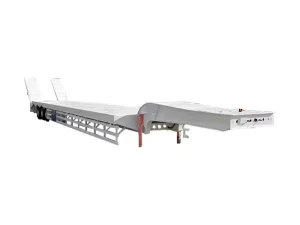
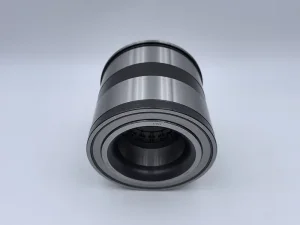
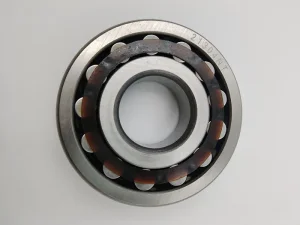
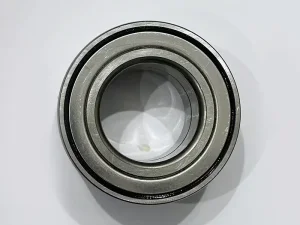
The commercial transport, logistics, and heavy-duty towing sectors are undergoing a massive technological revolution. Trailer wheel hub assemblies, historically treated as simple mechanical wear items, have transitioned into highly engineered, intelligence-integrated component subsystems. B2B fleet procurement managers and trailer manufacturers are no longer just comparing pricing; they are evaluating long-term Total Cost of Ownership (TCO), material engineering integrity, and preventative maintenance characteristics.
The industry is rapidly shifting away from manually packed taper bearings toward unitized, factory-sealed, and pre-set hub assemblies. These closed systems eliminate field installation contamination and grease degradation, extending operational lifespans up to 500,000 miles.
Modern fleets are demanding wheel hubs integrated with digital telemetry sensors. These embedded sensors monitor real-time operating heat, rotational vibrations, and abnormal radial load deflections, alerting dispatch before catastrophic roadside failures occur.
Under the influence of de-icing salts, marine coastal moisture, and chemical washes, standard cast iron fails rapidly. Modern manufacturers utilize electrophoretic deposition (EPD) coatings, hot-dip dacromet finishes, and high-strength alloyed steel matrices to counter structural fatigue.
Furthermore, environmental mandates are driving lightweight design. By refining geometry and utilizing advanced structural analysis models (Finite Element Analysis - FEA), wholesale trailer hub manufacturers are stripping dead weight from unsprung axle masses. This weight reduction directly translates to increased payload capacities and reduced fuel consumption for long-distance transport rigs.
B2B procurement of safety-critical trailer chassis components demands meticulous qualification frameworks. Here is what industrial buyers prioritize.
For global B2B procurement officers supplying transport fleets, mining operations, or agricultural machinery builders, quality assurance is a legal and financial imperative. When a trailer wheel hub fails under load, the liability, downtime, and damage can cost companies millions of dollars. Therefore, buying decisions are driven by strict international verification baselines:
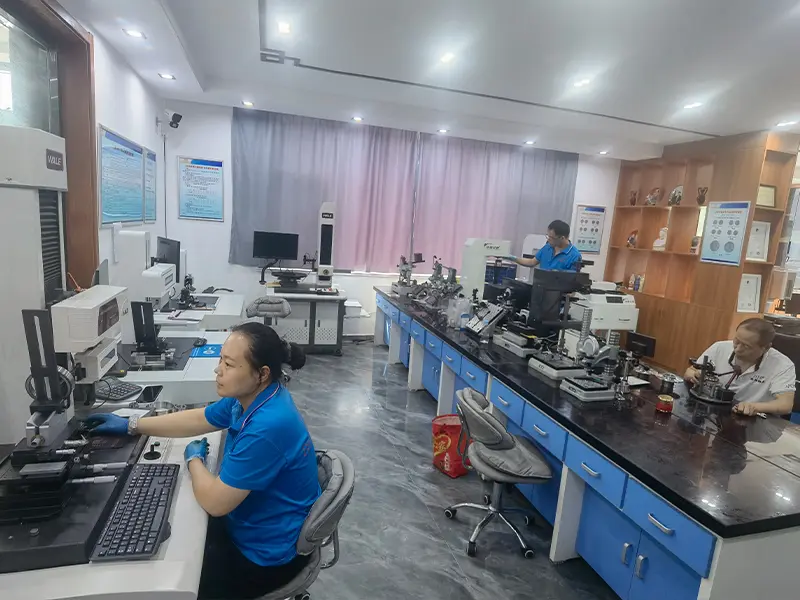
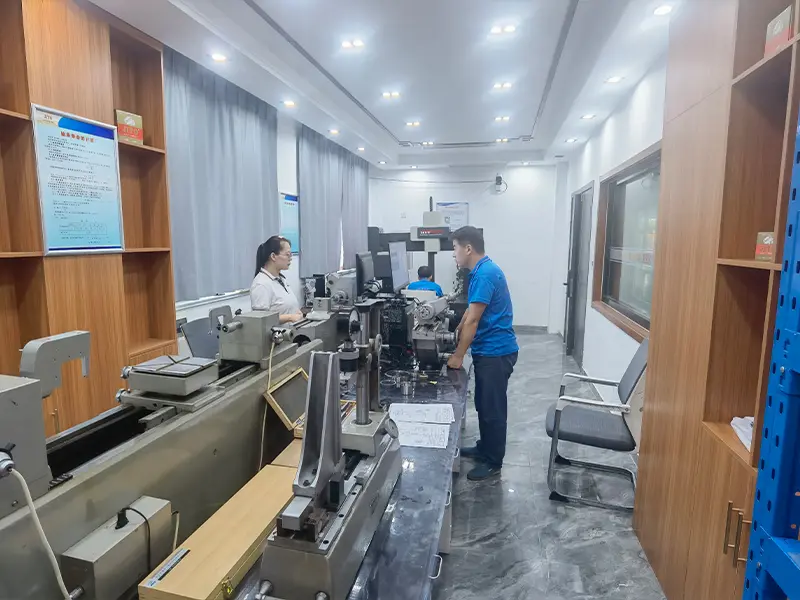
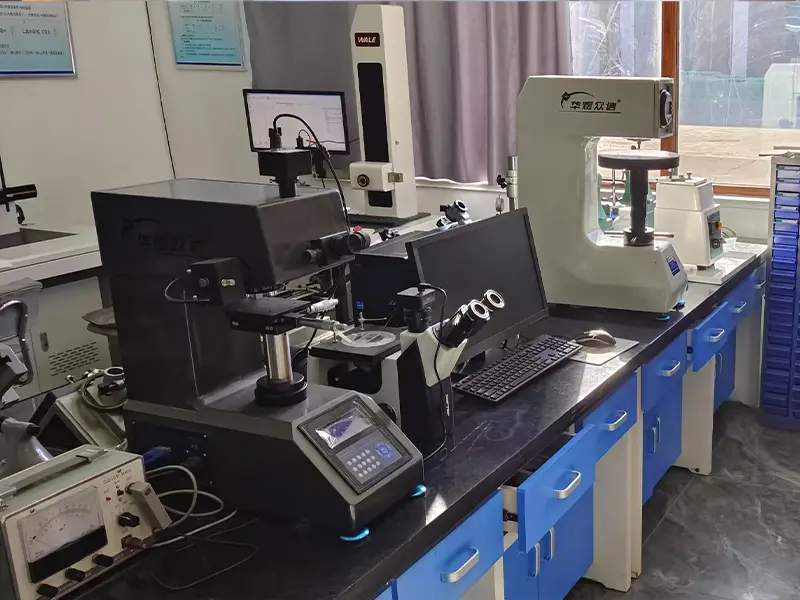
An ideal manufacturing partner must maintain an in-house laboratory equipped to measure precise material behaviors under simulated field stress.
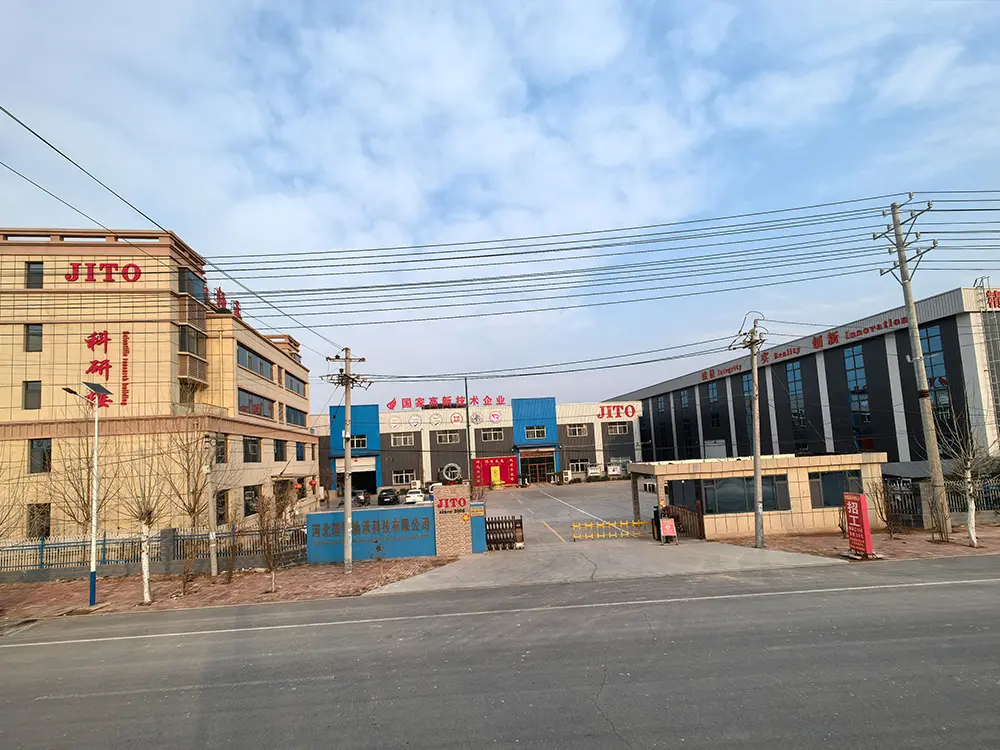

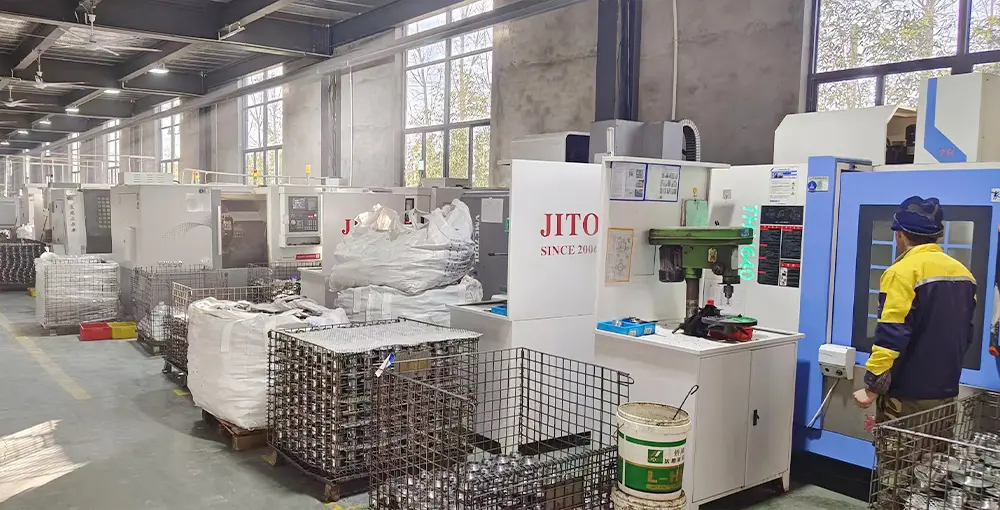
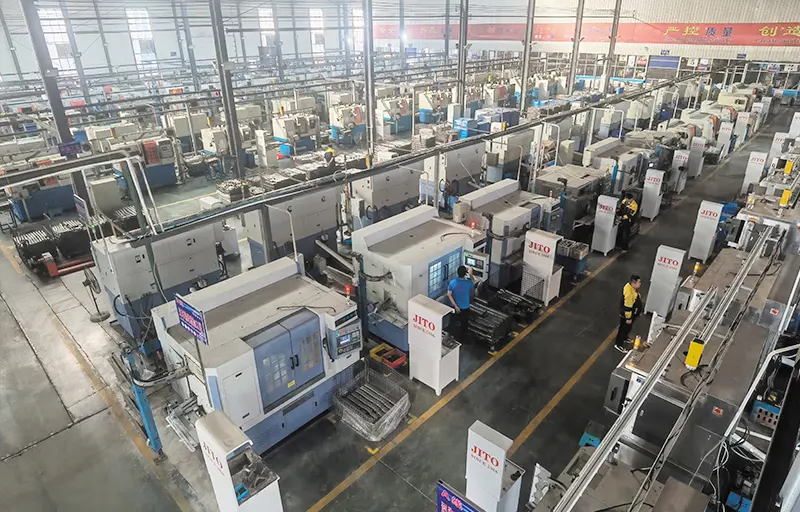
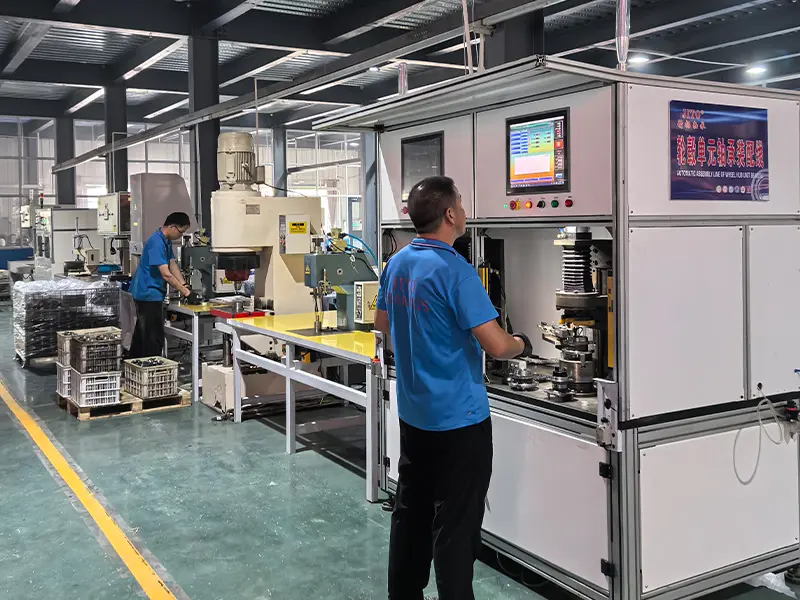
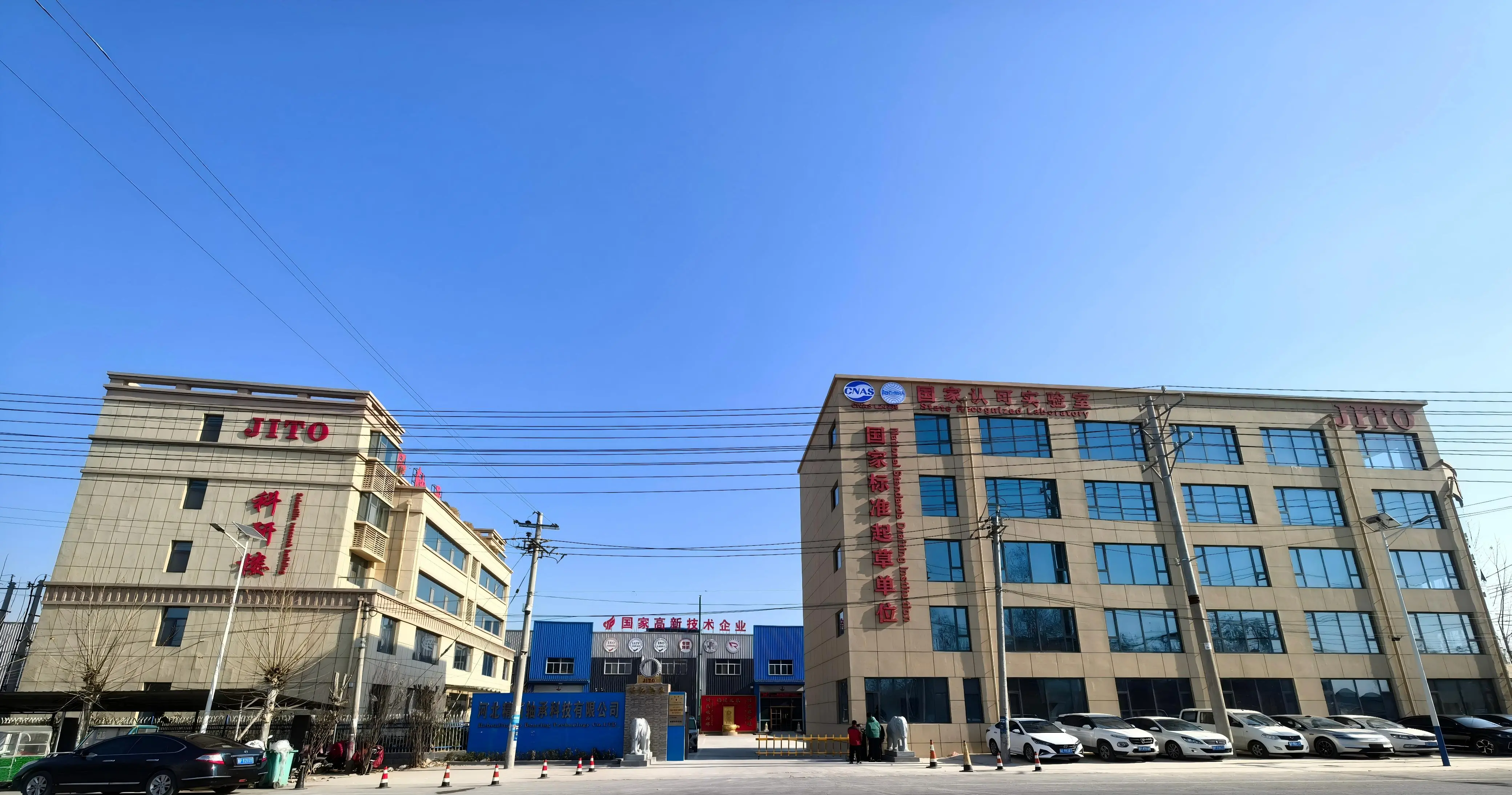
Operating as a prominent high-tech engineering manufacturer, JITO Bearing integrates R&D, precision manufacturing, and international trade in one centralized platform. Our production structure operates on Industry 4.0 design, split into two specialized plants spanning over 30,000 square meters:
Plant 1 (Forging & Heat Treatment): Focuses on metallurgical conditioning, hot forging, spheroidize annealing, and proprietary protective atmosphere heat treatments, which build the core microstructural fatigue resistance of the bearing steel.
Plant 2 (Super-Finishing & Assembly): Houses fully automated high-precision grinding production lines, CNC machining bays, clean-room assembly cells, and dynamic simulation testing chambers. This structured division ensures each process is meticulously managed.
How we achieve near-zero defect product outcomes utilizing advanced laboratory testing structures and manufacturing disciplines.
At JITO, every component—from raw material forging to structural finish grinding—undergoes comprehensive check regimens. JITO products are widely used in passenger cars, buses, heavy duty commercial trucks, industrial logistics vehicles, forklift gantry systems, and marine structures.
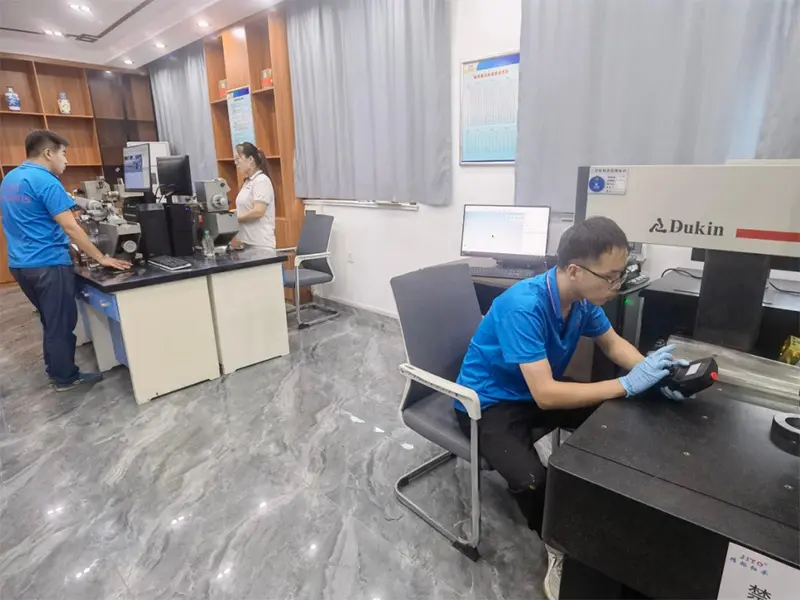
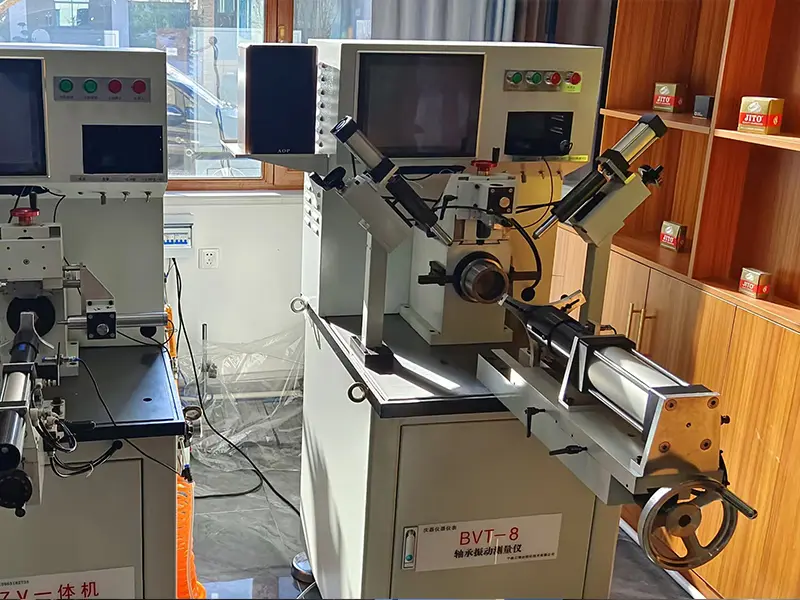
In our dedicated R&D center, JITO utilizes high-precision measurement systems: three-coordinate mapping machines, spectrometer material analyzers, profile meters, roundness testers, vibration noise testers, hardness testers, and metallographic structure analyzers. By monitoring mechanical and chemical performance boundaries at every phase, we verify that our final production runs operate under minimum heat profile parameters.
Discover how custom trailer wheel hub technologies adapt to unique B2B industrial environments across the globe.
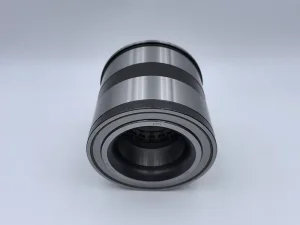
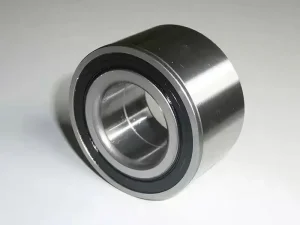
Running multi-axle trailers over cross-continental highways requires assemblies that resist heat deformation under constant high velocities. Incorporating ABS-integrated hub bearings (such as our DAC458242 series) ensures reliable communication with the vehicle's electronic braking system (EBS) to improve high-speed braking stability.
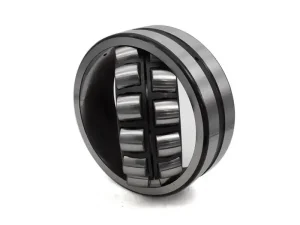
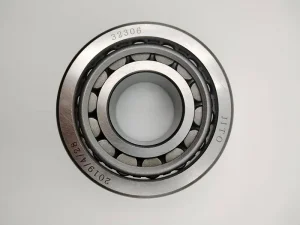
For dumpers and heavy excavation machinery operating in severe shock-load environments, we recommend heavy-duty tapered and self-aligning bearings (such as JITO's 22324 and 2272 models). These bearings handle major radial impact spikes and dynamic angular deviations under loaded conditions.
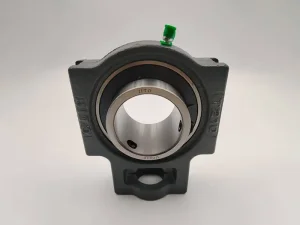
Agricultural trailers work in soils saturated with abrasive dust, fertilizers, and water. Using pillow block assemblies (such as the UCT210 series) with triple-lip sealing designs prevents mud and moisture ingress, significantly reducing unexpected downtime in harvesting seasons.
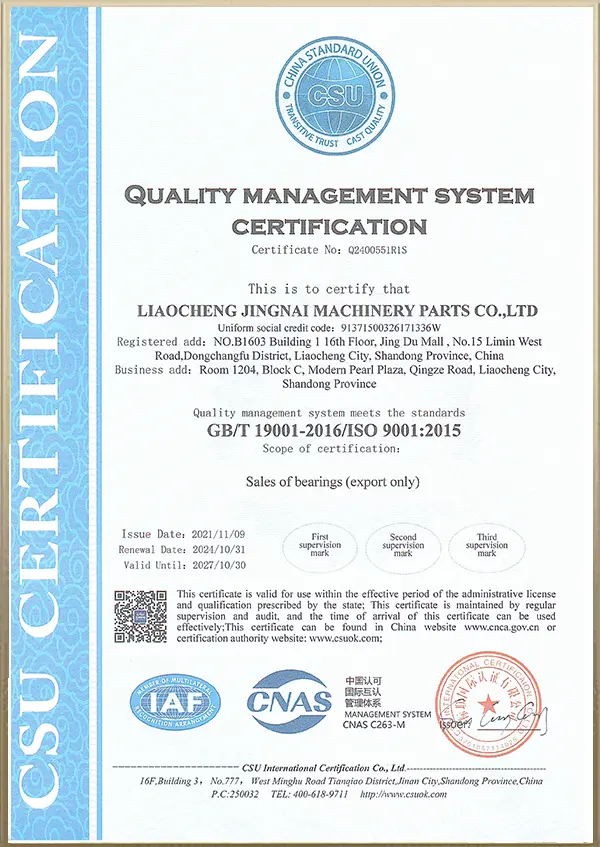
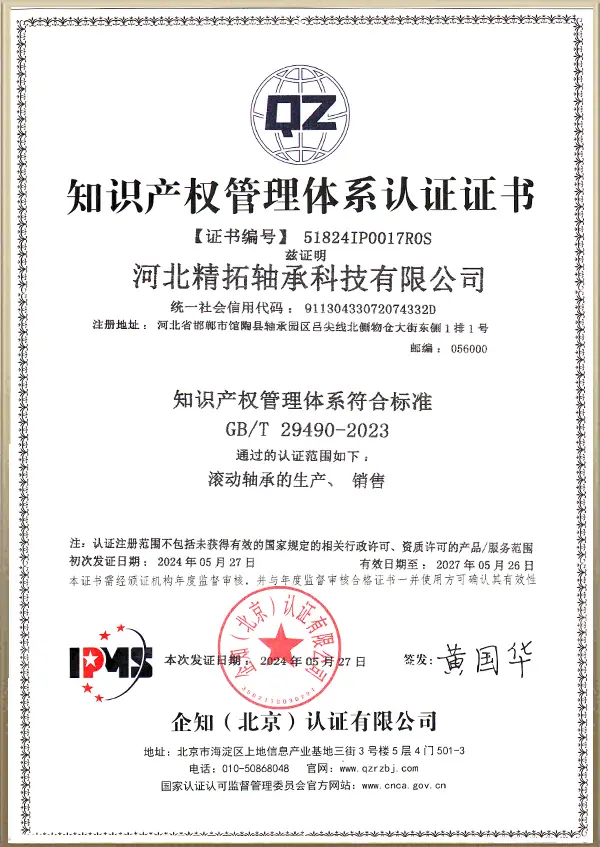
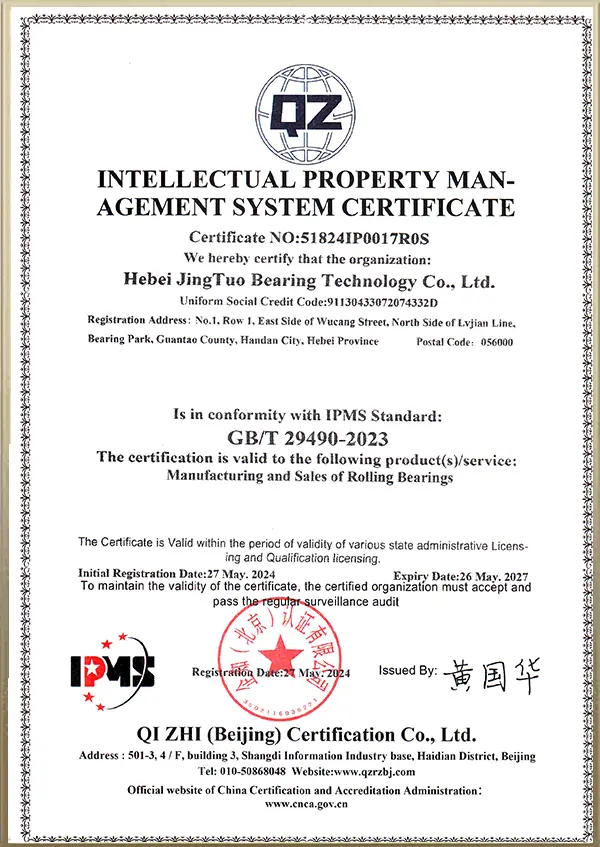
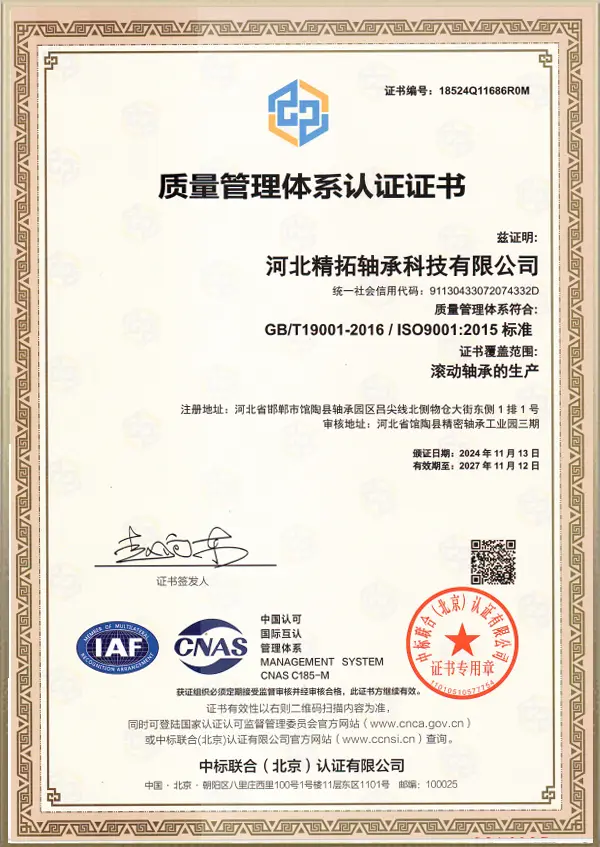
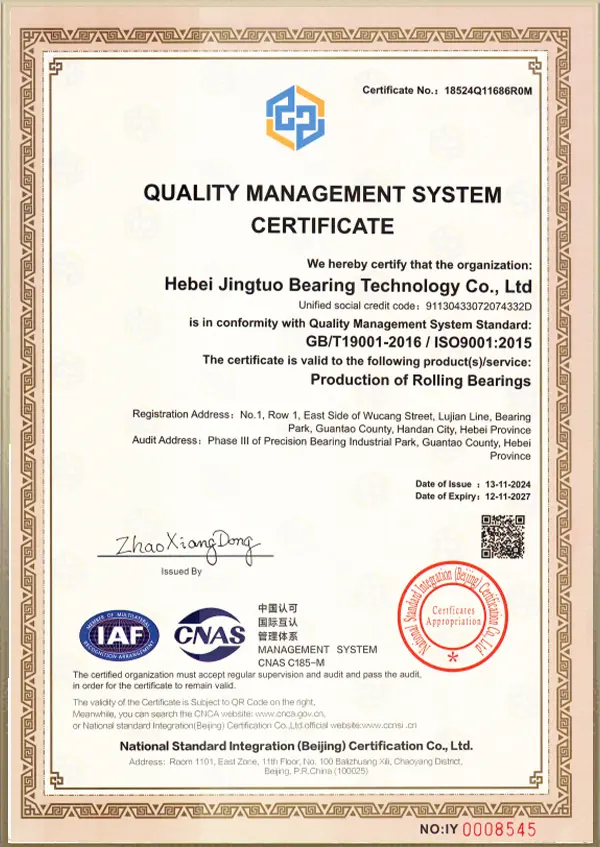
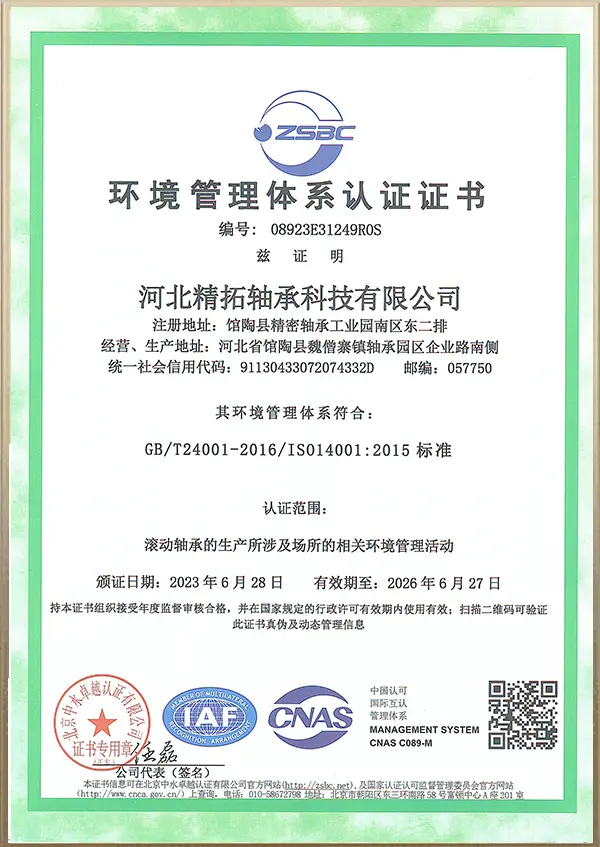
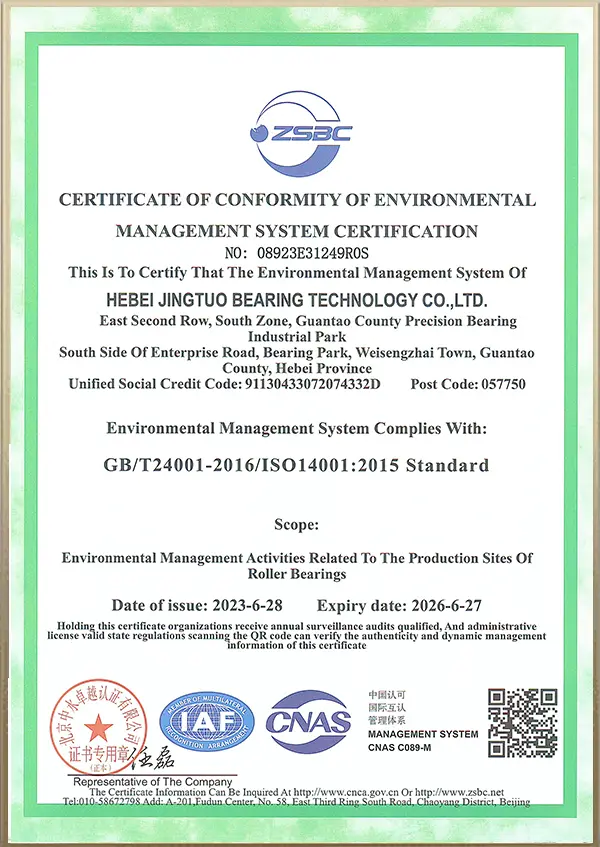
Our primary brand, JITO, is registered in both the European Union and under the Madrid System. The JITO production ecosystem runs in full compliance with the ISO9001:2015, IATF/16949:2016 quality management frameworks, and ISO14001 environmental standards. This solid compliance framework ensures every batch shipped is uniform, safe, and ready to meet OEM requirements.
JITO's sales networks cover more than 30 countries across the Americas, the European Union, Southeast Asia, the Middle East, and Africa.
Get answers to critical engineering, manufacturing, and procurement inquiries from JITO's technical support team.
Additional heavy machinery, towing components, and bearing systems engineered to exceed standard duty ratings.
 Jito Bearing