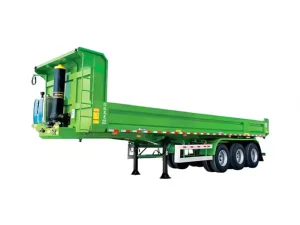
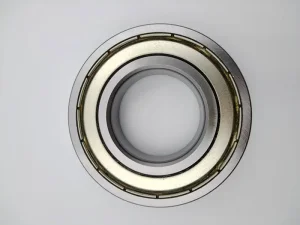
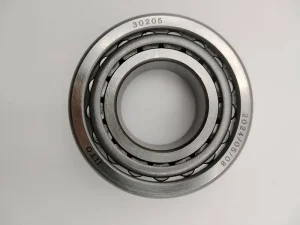
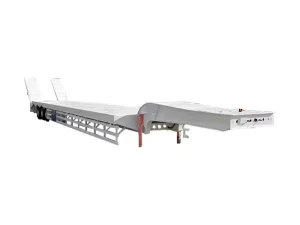
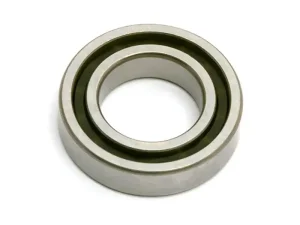
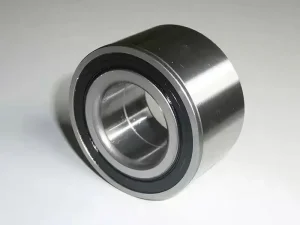
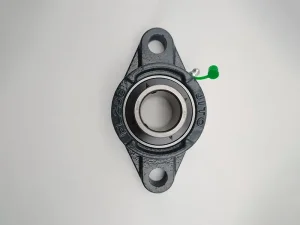
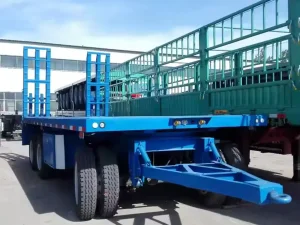
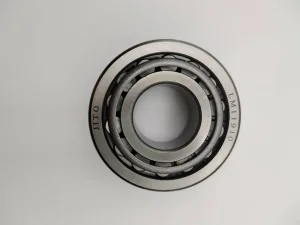
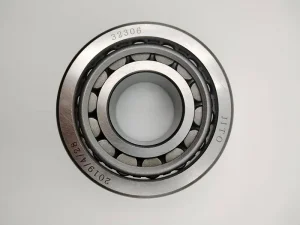
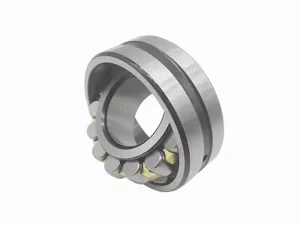
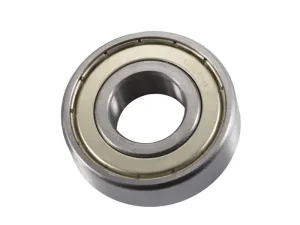
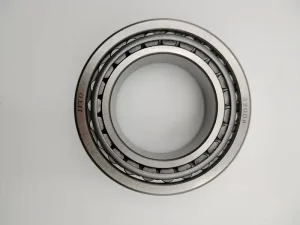
In the global logistics and transportation sector, the reliability of utility trailer wheel bearings is paramount. As a specialized manufacturer, JITO Bearing understands that these components are the literal foundation of heavy-duty transport. Utilizing high-grade steel and advanced heat treatment, our bearings are engineered to withstand extreme loads, vibrations, and environmental stressors.
China has solidified its position as the global hub for bearing manufacturing through aggressive R&D investment and a complete industrial chain. Unlike localized assembly plants, our integrated manufacturing model covers forging, turning, heat treatment, grinding, and assembly. This vertical integration allows us to:
The transition toward "Lightweight and High-Efficiency" logistics is driving demand for specialized bearings. Global enterprises are shifting away from generic off-the-shelf parts toward CE-certified, application-specific bearings. Our focus on Z1V1/Z2V2/Z3V3 noise control directly addresses the need for quieter, more durable trailers in urban distribution and long-haul scenarios.
We are a member of the China Bearing Industry Association and a national High-tech Enterprise. Our commitment to quality is not just a claim; it is a demonstrable process:
1. Self-Inspection: Rigorous on-site checkpoints during every production phase.
2. Testing Center: We utilize advanced vibration meters and fatigue testing machines to simulate real-world usage before dispatch.
3. Certifications: ISO9001:2015 and IATF/16949:2016 management systems ensure consistency across all exports.
CE marking indicates that the product complies with the European Union's health, safety, and environmental protection standards. For global importers, it is the benchmark for quality and market access.
We utilize specialized GCr15 steel and rigorous heat treatment processes to maximize fatigue resistance. Our fatigue life testing machines ensure every batch meets high-load requirements.
Due to our comprehensive production lines, we efficiently manage R&D, prototyping, and mass production. Lead times are optimized based on current production capacity and specific technical complexity.
 Jito Bearing