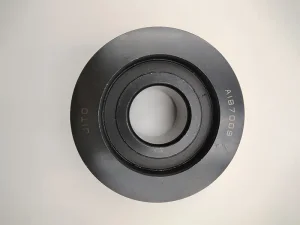
Explore our top-tier custom and standard OEM/ODM ball, tapered roller, and specialty forklift mast bearings manufactured to strict P5/P6 tolerances.
Deep dive into standardizations, mechanical tolerances, and the critical importance of ODM size customization in dynamic loads.
The global industrial landscape relies fundamentally on rotational efficiency. At the heart of this kinetic movement is the ball bearing. However, as engineering demands evolve towards lighter machinery, higher power density, and reduced friction coefficients, the concept of standardized dimensioning is undergoing a radical transition. Traditionally, standards such as ISO 15, DIN 625, and ANSI/ABMA mapped out rigid parameters for bore diameters, outer diameters (OD), and width profiles. While these standards satisfy generic machinery requirements, modern applications in electric vehicles (EVs), high-performance logistics equipment, and specialized lifting apparatuses command tailored dimensional tolerances.
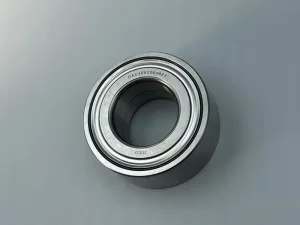
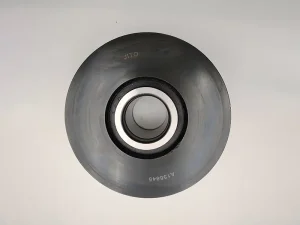
In the competitive supplier landscape, ODM (Original Design Manufacturer) partnerships have emerged as the primary vehicle for high-precision optimization. Adjusting a bearing's internal geometry and external boundaries by fractions of a millimeter can significantly affect the radial and axial load distribution. For instance, in heavy-duty material handling, a customized mast roller or a custom angular contact double-row bearing (such as the DAC42820036) can prevent premature track wear, increase extreme pressure endurance, and lower torque requirements.
By customizing ball bearing sizes, global enterprises can minimize the space required for structural components without sacrificing safety margins. This dimensional optimization directly translates to raw material conservation, lower system weight, and maximized energy output. Because of this, Tier 1 industrial procurement teams are transitioning away from off-the-shelf sizing, turning instead to manufacturers capable of drafting, simulating, and validating unique structural dimensions that withstand demanding service environments.
Strict compliance with P5 and P6 geometric tolerances ensuring micron-level control of radial runouts, bore sizing, and ring roundness.
Engineered for quiet operation with noise levels controlled to Z1V1, Z2V2, and Z3V3 parameters using high-precision steel balls.
Utilizing premium GCr15 high-carbon chromium bearing steel combined with bespoke heat treatment configurations for extended operational life.
JITO Bearing is a modern scientific and technological enterprise integrating research and development, producing, and trading. The company is a proud member of the China Association of Automobile Manufacturers, a member of the China Bearing Industry Association, a national High-tech Enterprise, a National Standard Drafting and Formulation Unit, a Specialized, Refined, Distinctive, and Innovative Enterprise in Hebei Province, and a director unit of the Hebei Bearing Association and vice president unit in Handan Bearing Association.
Our General Manager, Shizhen Wu, serves as a standing committee member of the Political Consultative Conference of Guantao County. Since inception, JITO has committed to R&D and manufacturing high-quality, high-precision bearings. We maintain precision levels reaching P0/P6/P5, with noise levels strictly controlled to Z1V1/Z2V2/Z3V3.
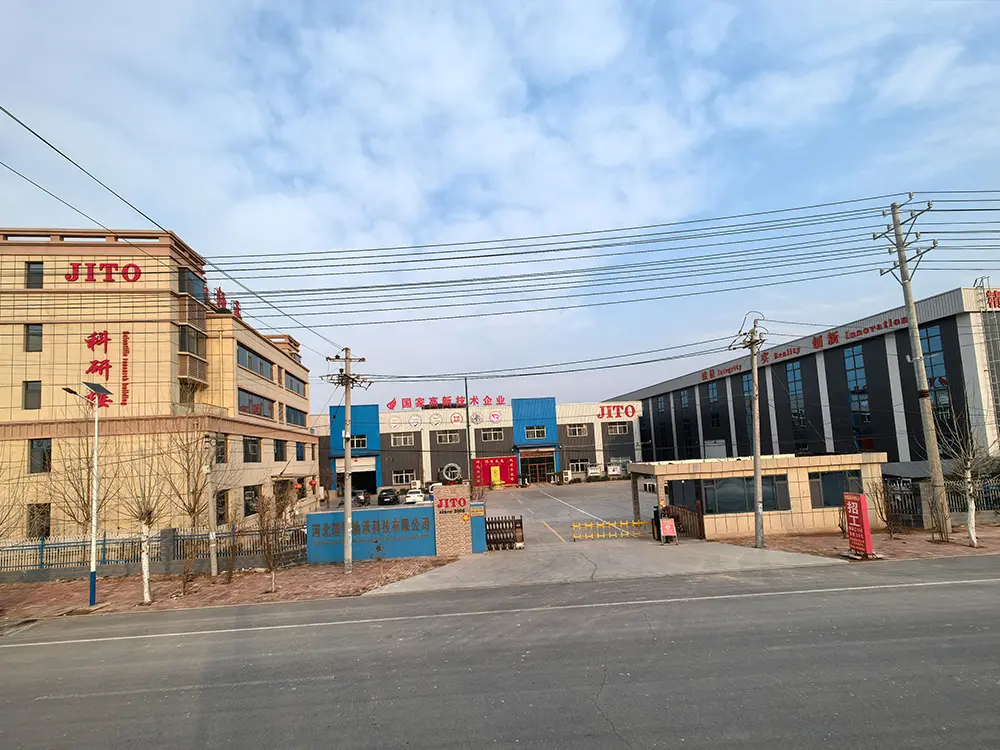

JITO operates two specialized factories spanning a construction area of over 30,000 square meters:
Our products are integrated into automotive systems (cars, buses, trucks, engineering vehicles), forklift mast assemblies, agricultural machinery, papermaking, power generation, mining, metallurgy, machine tools, petroleum, and railway transportation.
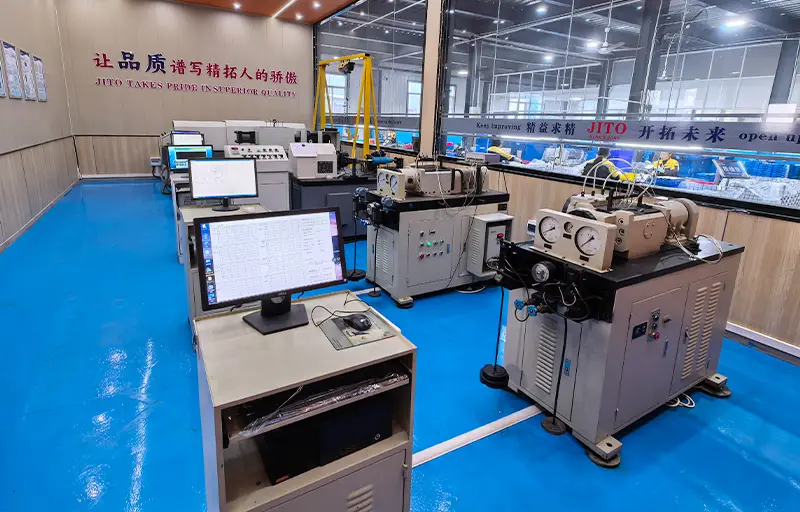
Ensuring zero-defect execution through precise measurements, metrological analysis, and global management standards.
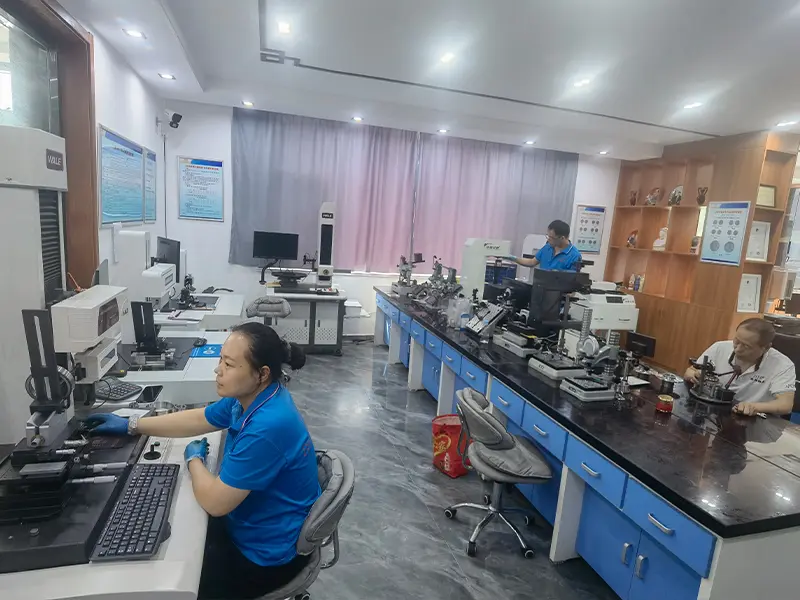
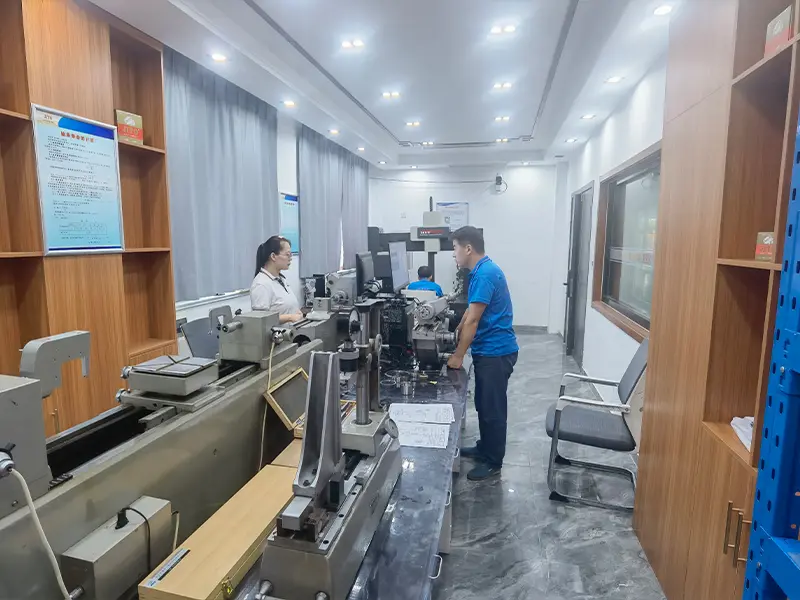
JITO’s state-of-the-art laboratory features coordinate measuring machines (CMM), optical length measuring instruments, and direct-reading spectrometers to verify chemical compositions.
Equipped with computerized profilers, roundness testers, and structural vibration analyzers to minimize contact stress and rotational noise.
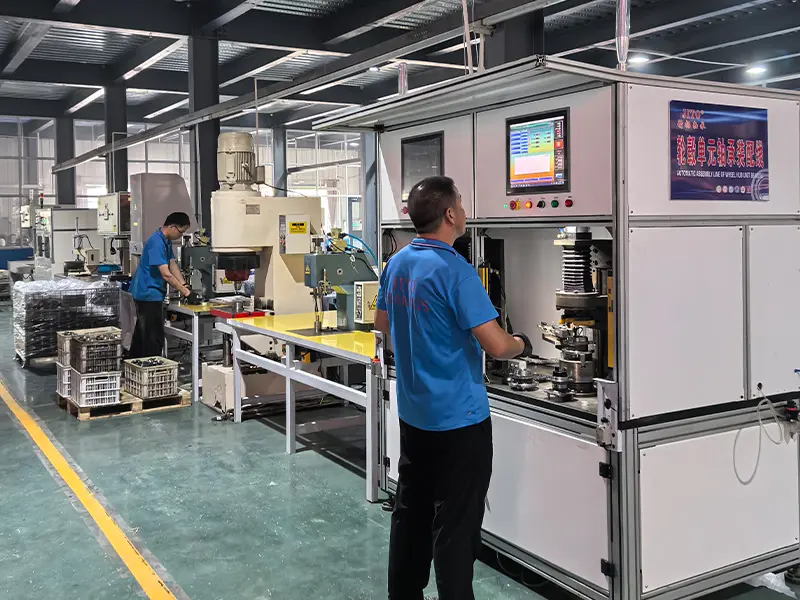
Featuring dynamic fatigue life testing machines, specialized hub bearing simulation systems, and slurry mud test bays for heavy-duty vehicle validation.
Navigating custom sizes, extreme dynamic loading, and technical design considerations for heavy industry applications.
When engineers customize a ball bearing's size, they must evaluate the thermal expansion coefficients of both the shaft and housing materials. If the internal clearance is too tight, heat generation increases, leading to lubrication failure and premature fatigue. Conversely, excess clearance can introduce vibration and load imbalances.
At JITO, we utilize advanced calculations to determine the ideal dynamic and static load ratings (C and C0). By using optimized profiles, we ensure our bearings maintain performance under heavy angular loads and high speeds.
Using high-carbon chromium steel (GCr15) as our core material ensures the necessary hardness (typically 60-64 HRC) after heat treatment. This provides exceptional resistance to sub-surface fatigue, spalling, and adhesive wear.
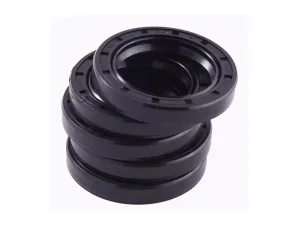
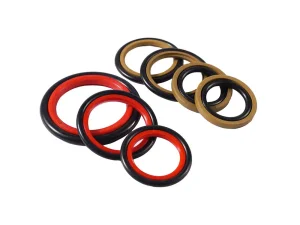
For harsh environments—such as agricultural machinery and mining systems—our customized seals (incorporating NBR, FKM, EPDM, or HNBR) keep lubricants inside the bearing while preventing dust, mud, and water ingress.
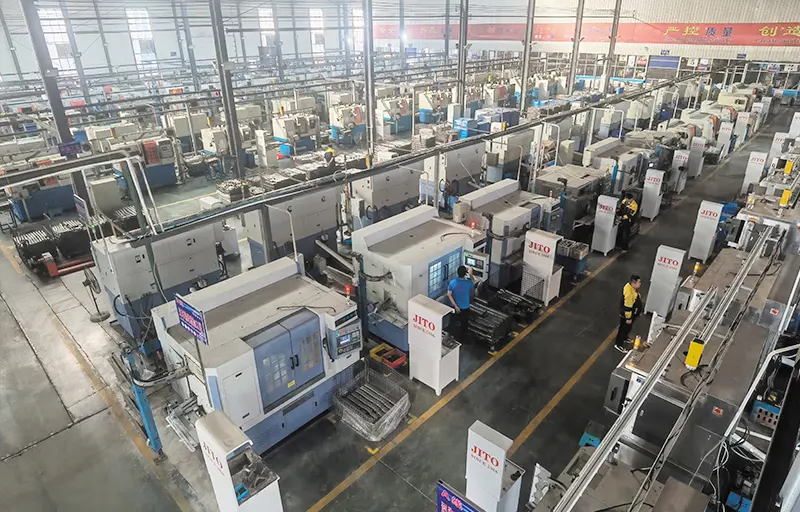
Raw material formatting and turning to establish geometric layouts.
Precision super-finishing of raceways to achieve Z3V3 acoustic ratings.

Functional checks, including vibration, noise, and torque testing before packing.
A guide to common dimensional boundaries and engineering considerations when transitioning from standard series to ODM solutions.
| Bearing Series / Model | Bore size (d) mm | Outer Dia (D) mm | Width (B) mm | Radial Play Range | Primary Industry Application |
|---|---|---|---|---|---|
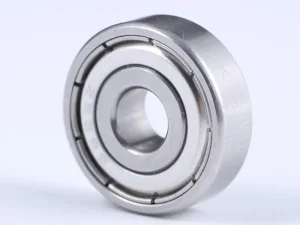
| 627 2RS | 7 mm | 22 mm | 7 mm | C0 / C3 | Electric Motors, Micro Instruments |
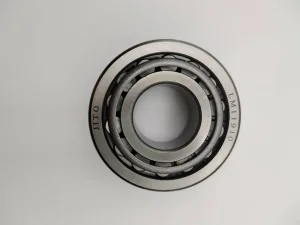
| LM11910 Tapered | 19.05 mm (3/4") | 45.24 mm | 15.49 mm | Preloaded Separable | Automotive Hubs, Light Duty Trailer Axles |
| DAC42820036 | 42 mm | 82 mm | 36 mm | Double-row Pre-adjusted | Passenger Vehicle Wheel Carrier Systems |
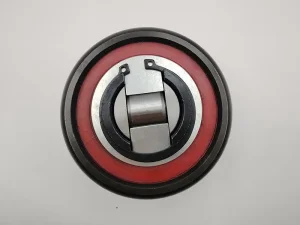
| 760211K2T Forklift | 55 mm | 109 mm | 29 mm | Tight Toleranced Mast | Forklift Mast Carriage Systems |
| 980811NT Forklift | 55 mm | 119.2 mm | 35 mm | Impact-resistant Axial | Forklift Guide Roller Assembly |
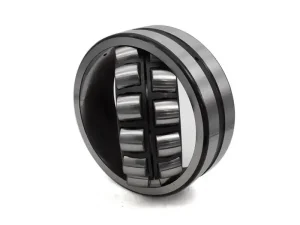
| 22324 Self-Aligning | 120 mm | 260 mm | 86 mm | C3 / C4 Extra Play | Mining Vibrating Screens, Steel Mills |
Answers to common engineering queries regarding sizes, materials, tolerances, and design considerations.
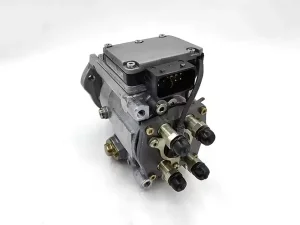
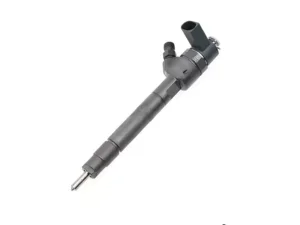
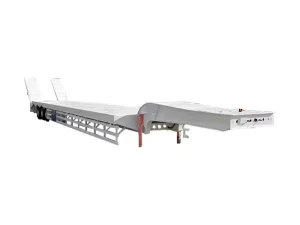
A continuation of our premium selections, featuring heavy-load axles, fuel delivery components, specialized forklift components, and custom-sized sealing elements.
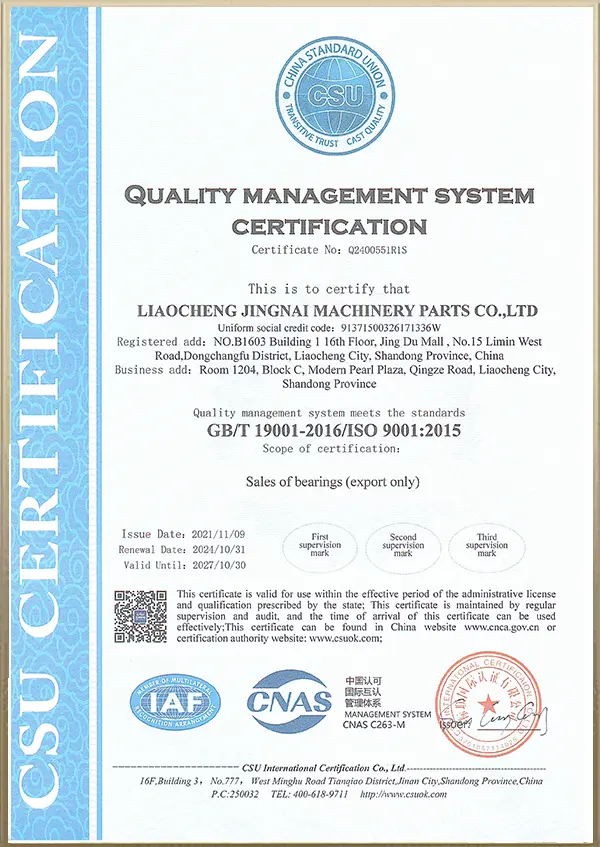
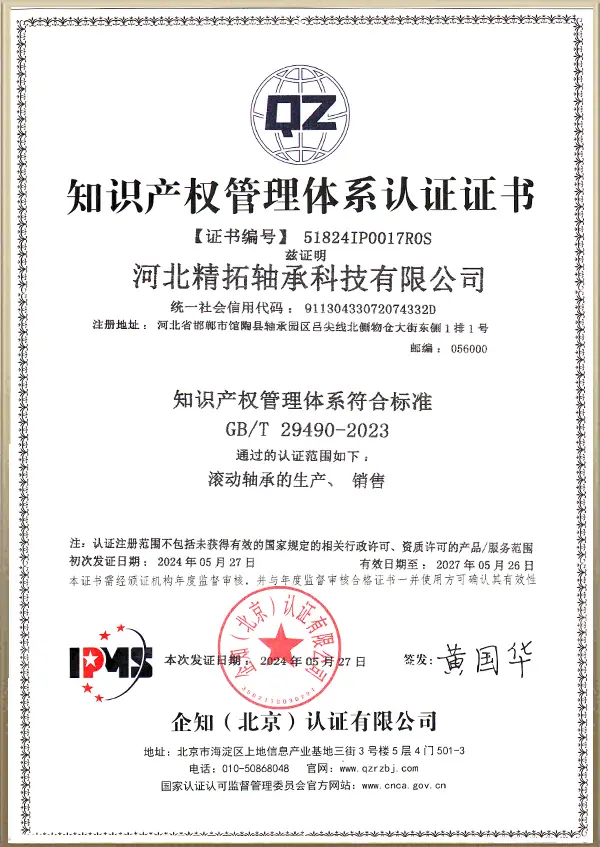
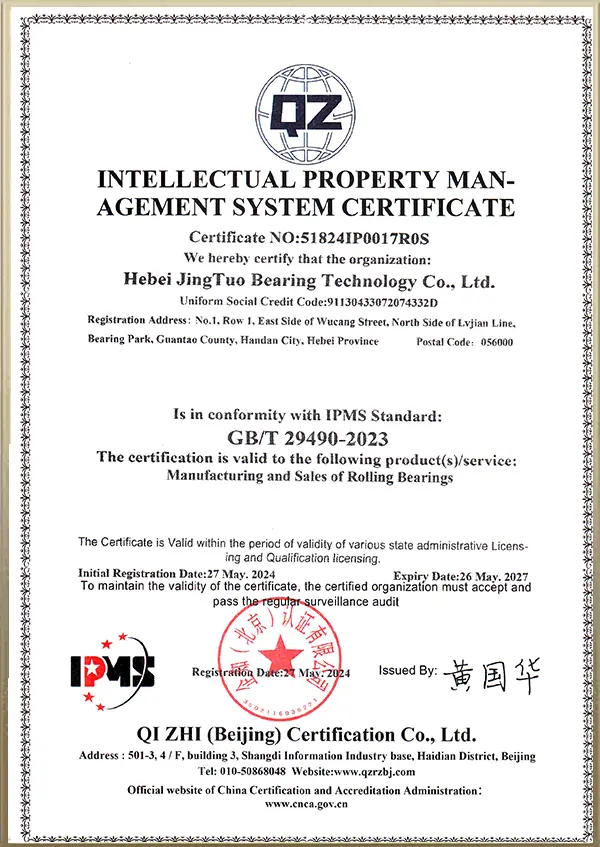
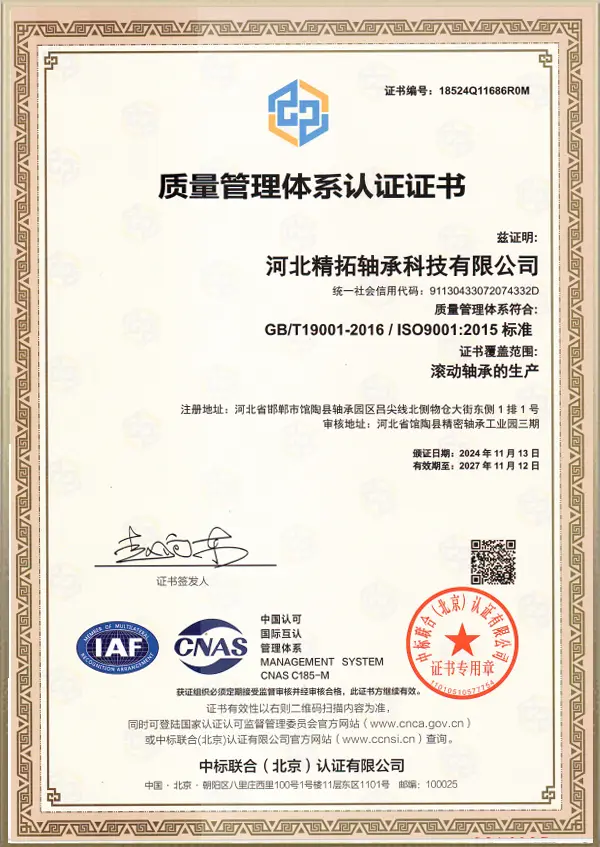
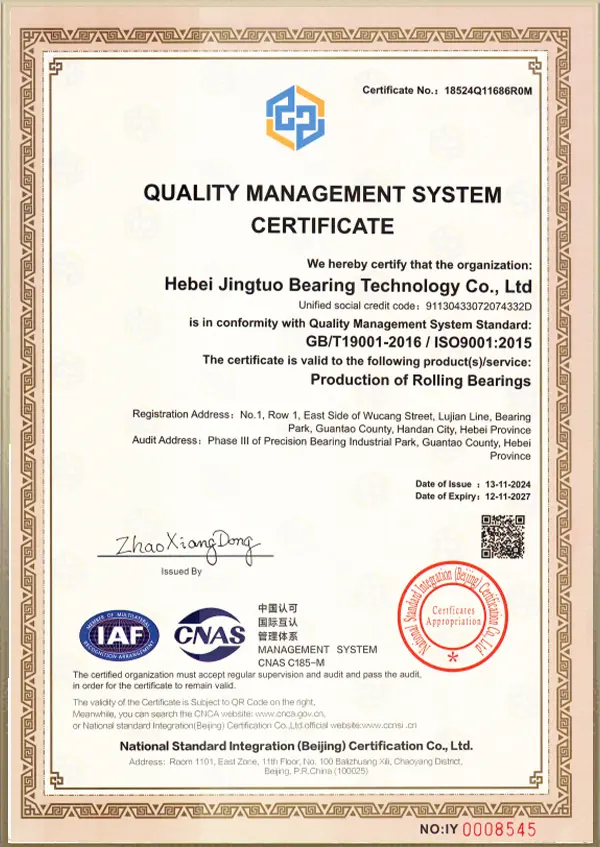
Approved, audited, and internationally verified credentials backing our R&D processes.
 Jito Bearing