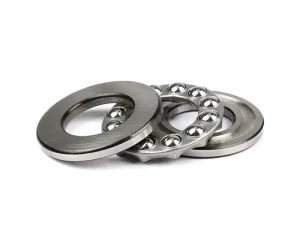
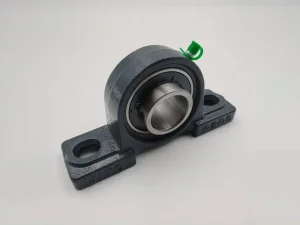
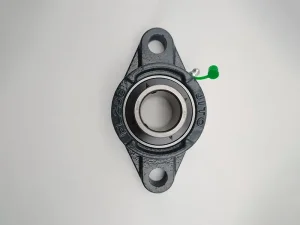
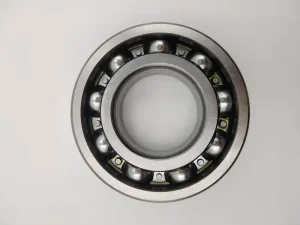
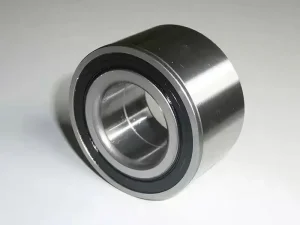
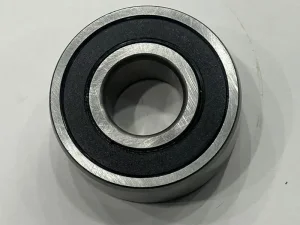
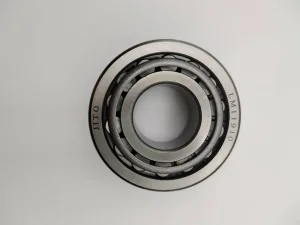
The global industrial landscape is undergoing a paradigm shift, and China’s Double Roller Bearing manufacturing sector sits at the heart of this transformation. As a hub for high-precision engineering, Chinese manufacturers have evolved from low-cost mass production to Industry 4.0-ready facilities that prioritize supply chain resilience and technical innovation.
Unlike traditional sourcing models, leading Chinese manufacturers now leverage a robust, localized supply chain. By controlling raw material sourcing (GCr15 steel) and heat treatment internally, companies like JITO ensure consistent quality, mitigating the risks of global logistics disruptions.
Modern Chinese bearing factories are embracing digital twins, automated assembly lines, and AI-driven quality inspection. From grinding to final assembly, zero-defect manufacturing is no longer a goal—it is a measurable metric driven by automated vibration and noise testing (Z1V1/Z2V2 standards).
International procurement managers now look for more than just price. The focus has shifted to Total Cost of Ownership (TCO), including bearing service life, reduced maintenance intervals, and the ability to customize for specific local applications—areas where Chinese manufacturers offer exceptional value.
JITO Bearing is a testament to the maturation of the Chinese bearing industry. As a national High-tech Enterprise and a member of the China Bearing Industry Association, JITO bridges the gap between scientific R&D and high-volume industrial demand.
Since 2006, JITO has focused on high-precision bearings (P0/P6/P5). With an area exceeding 30,000 square meters, the company operates as a full-cycle manufacturer—from raw material forging to finished goods.
Key Credentials:
Factory Area
Patented Technologies
Countries Served
Industry Experience
It is the combination of scale, rapid innovation cycles, and adherence to international quality standards (ISO/IATF). Advanced testing centers in China now utilize spectrometry and bearing fatigue life testing to match global benchmarks.
Check for: 1) Quality Management Certifications (ISO/IATF), 2) In-house R&D and Testing facilities (Hardness/Roundness/Vibration meters), and 3) Experience with OEM supply chains.
They are critical for high-load, high-impact environments including: Automotive wheel hubs, heavy-duty mining equipment, industrial gearboxes, and large-scale agricultural machinery.
 Jito Bearing